Interpret soil chemistry, profile layers and the properties behind sensor readings.
 Understand your soil
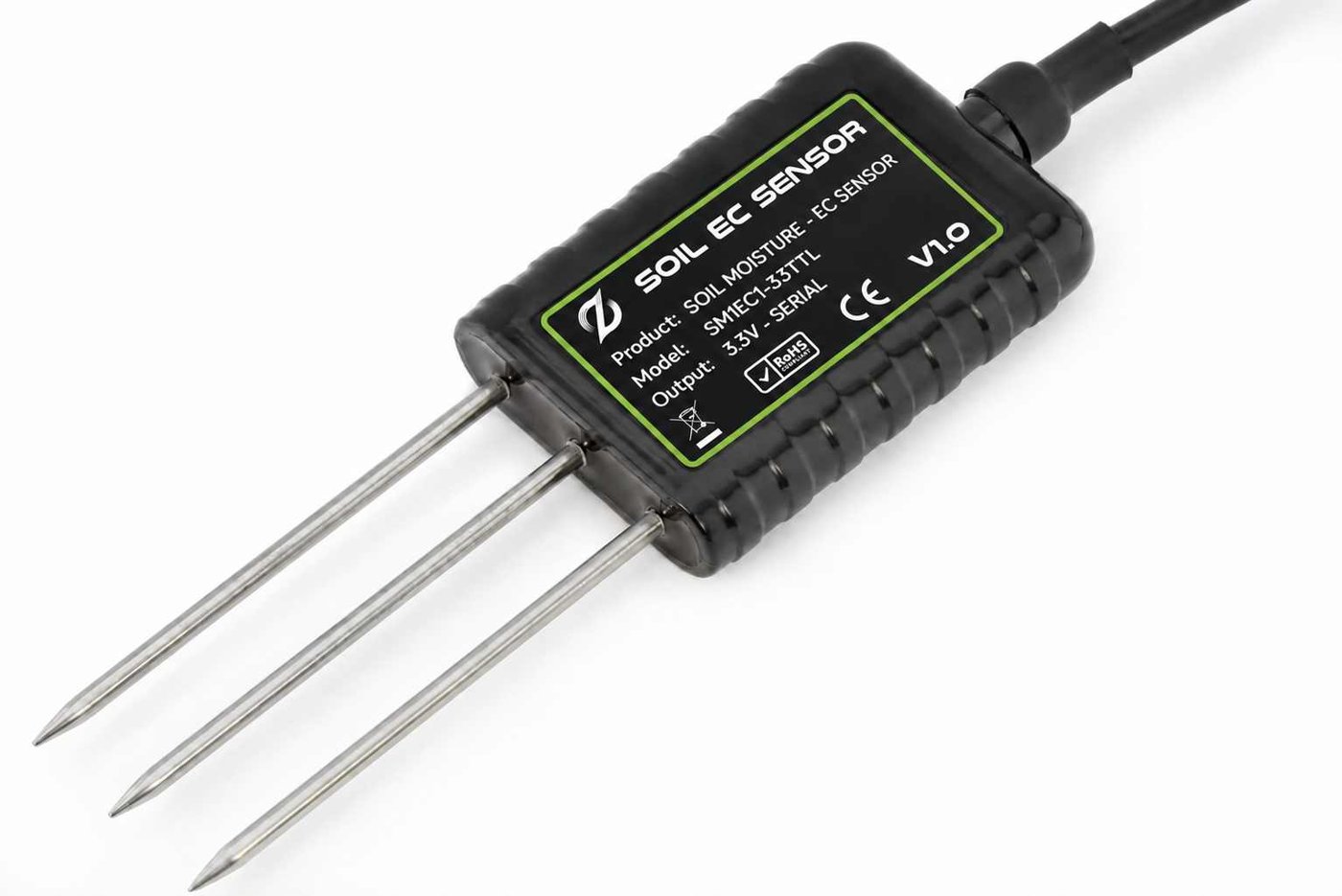
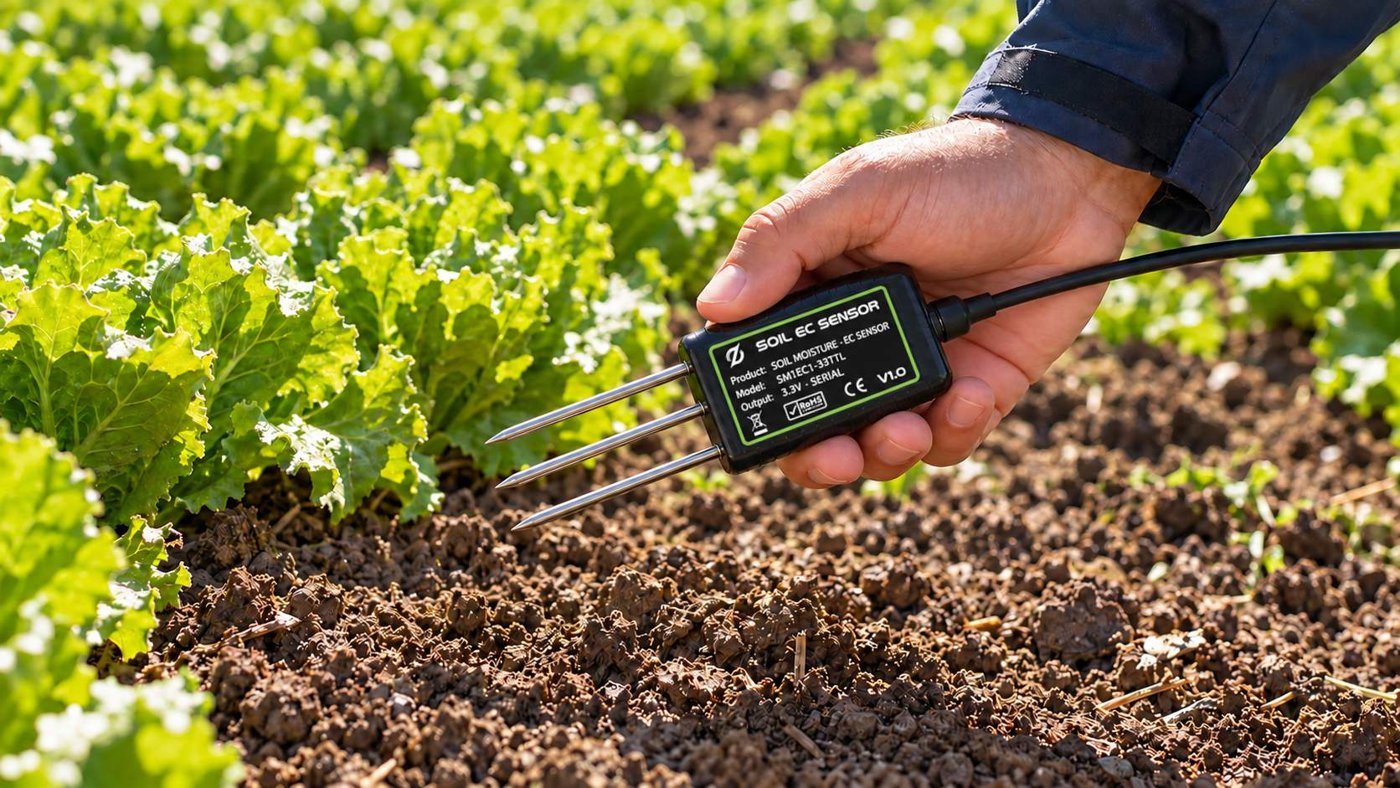
Electrical conductivity helps describe the soil's electrical behaviour and can support salinity monitoring. To interpret a reading, first establish what was measured and how water content affects it.
Read the guide →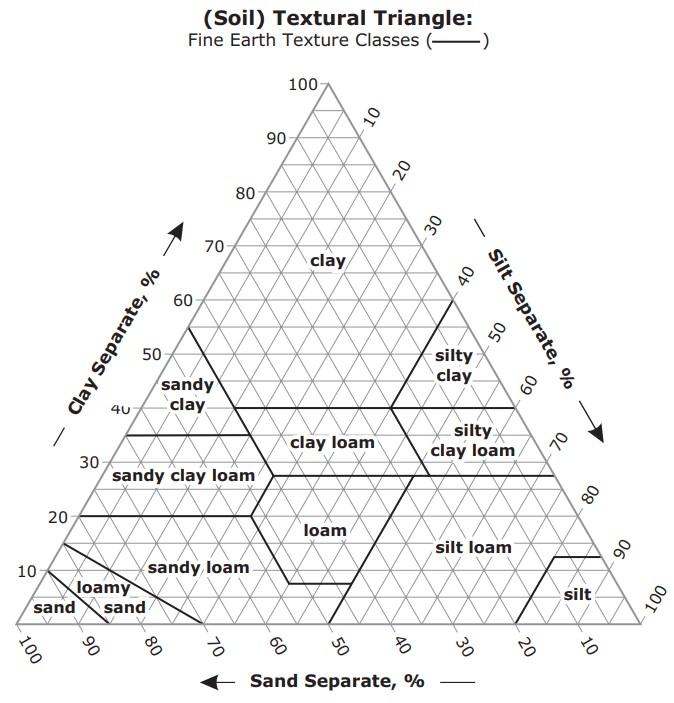 Understand your soil
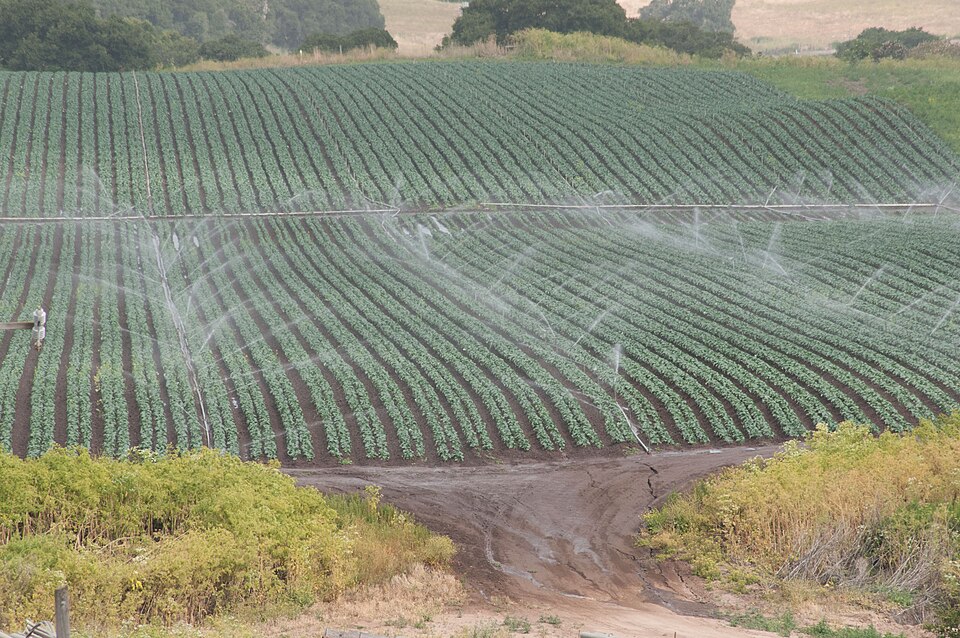
The balance of sand, silt and clay helps explain why different parts of a farm respond differently to irrigation. Texture is a useful starting point for monitoring, but structure and rooting conditions also matter.
Read the guide →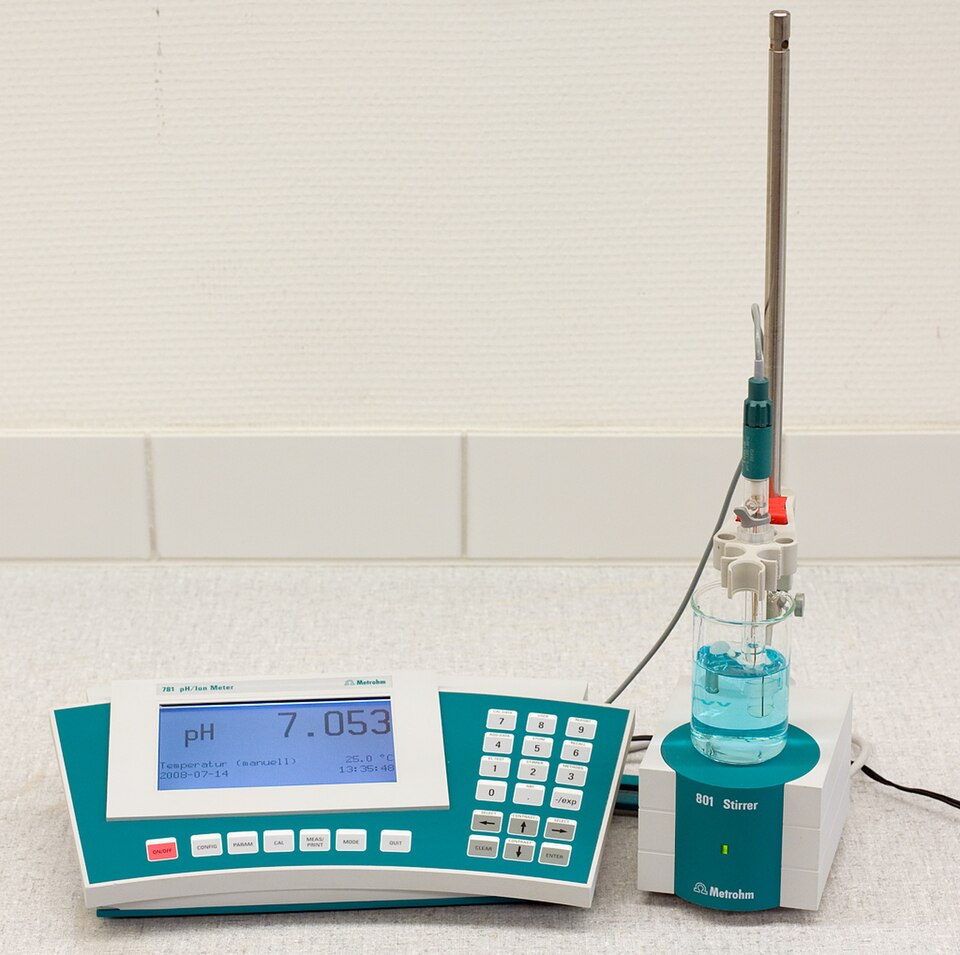 Understand your soil
Soil pH describes an important part of the chemical environment around roots. A useful result includes the sampling depth and preparation method, because different tests or locations can produce different values.
Read the guide →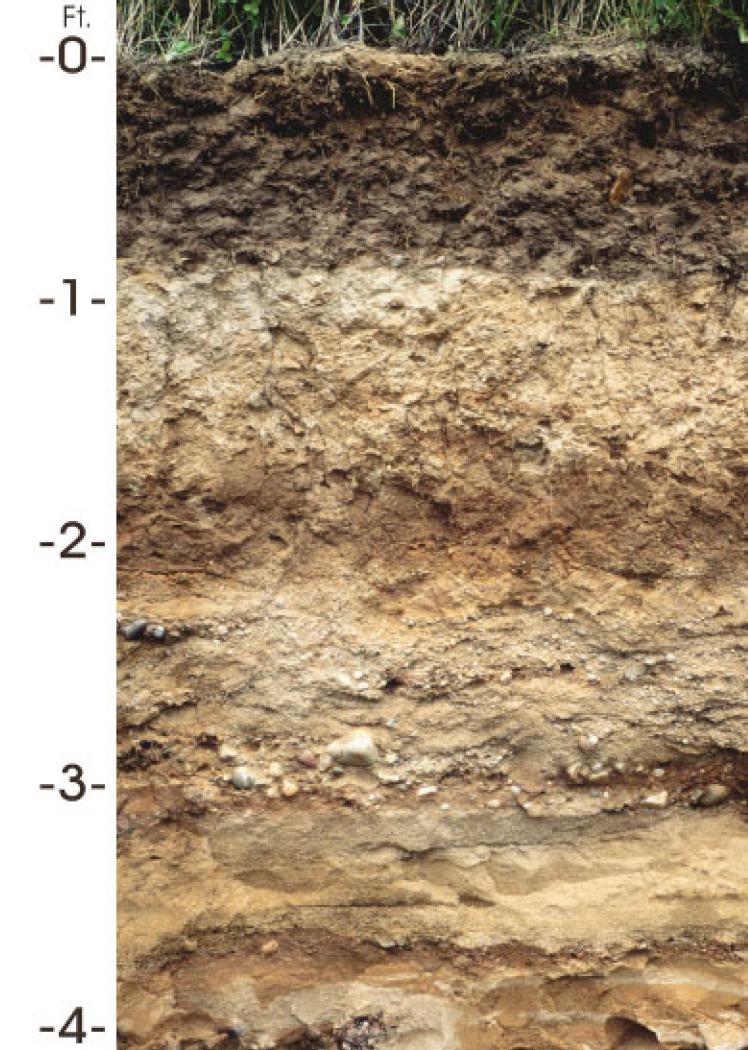 Understand your soil
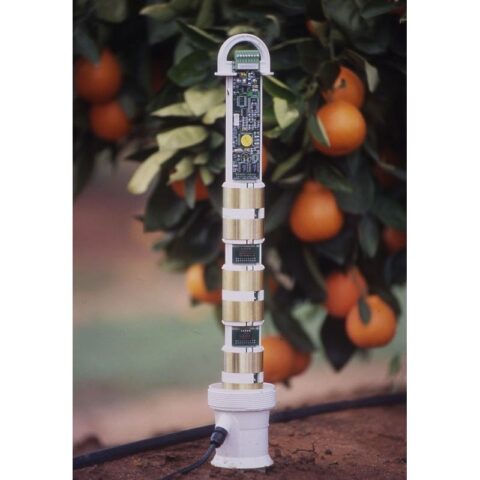
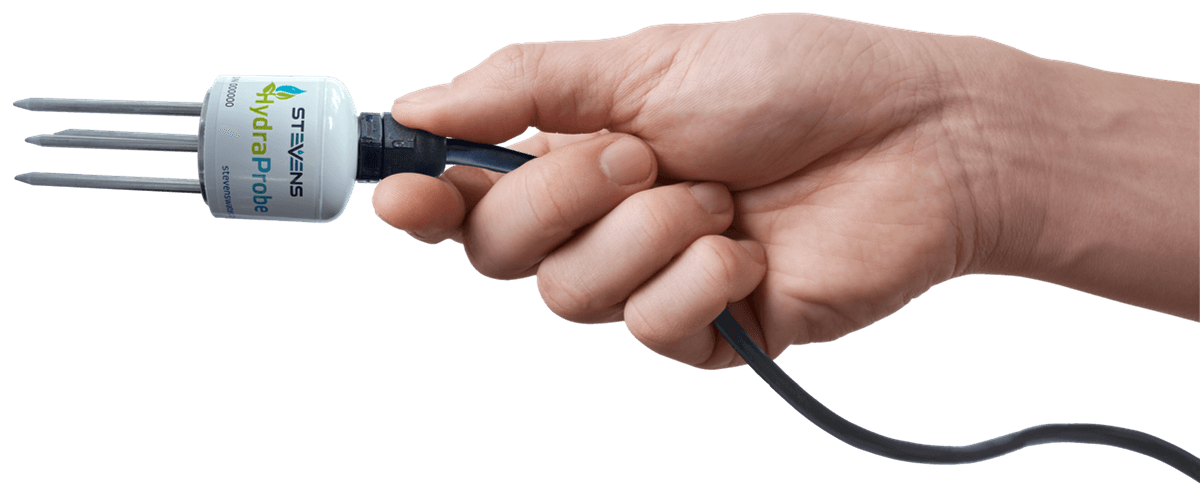
A sensor reading describes one part of a changing soil system. Texture, pore arrangement, chemistry and the profile determine what that reading means for water movement, roots and irrigation.
Read the guide →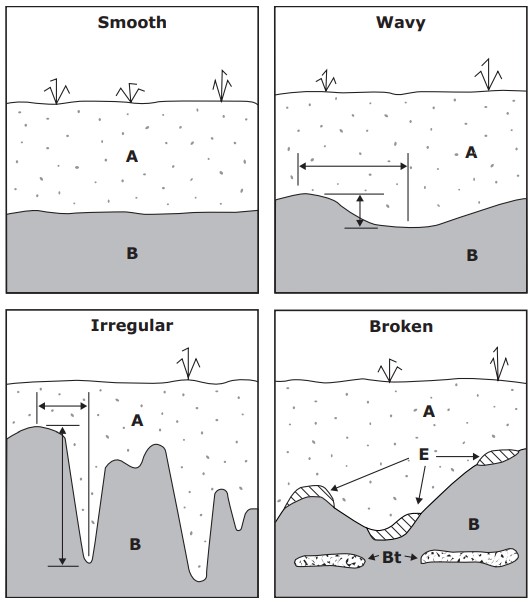 Understand your soil
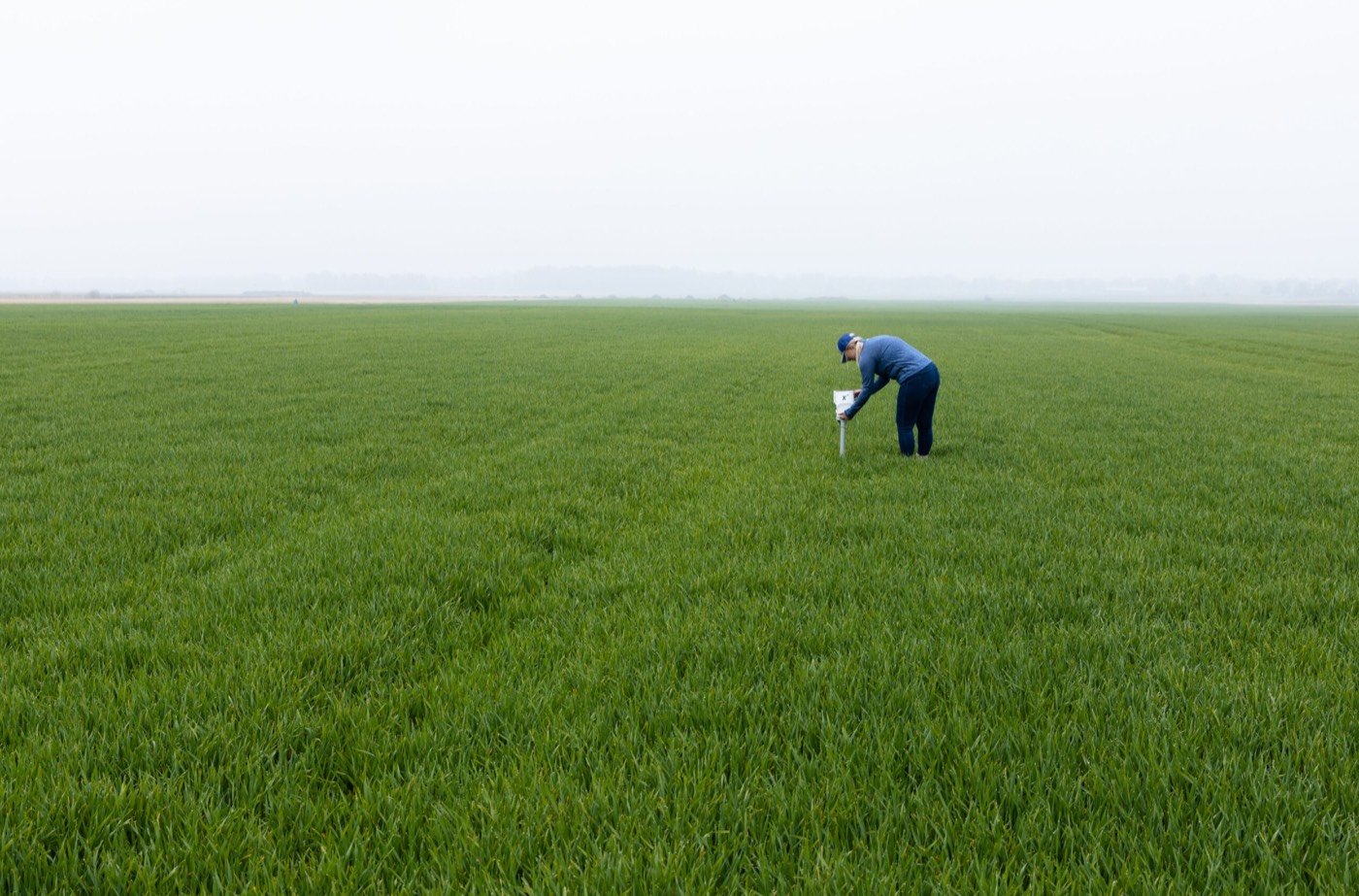
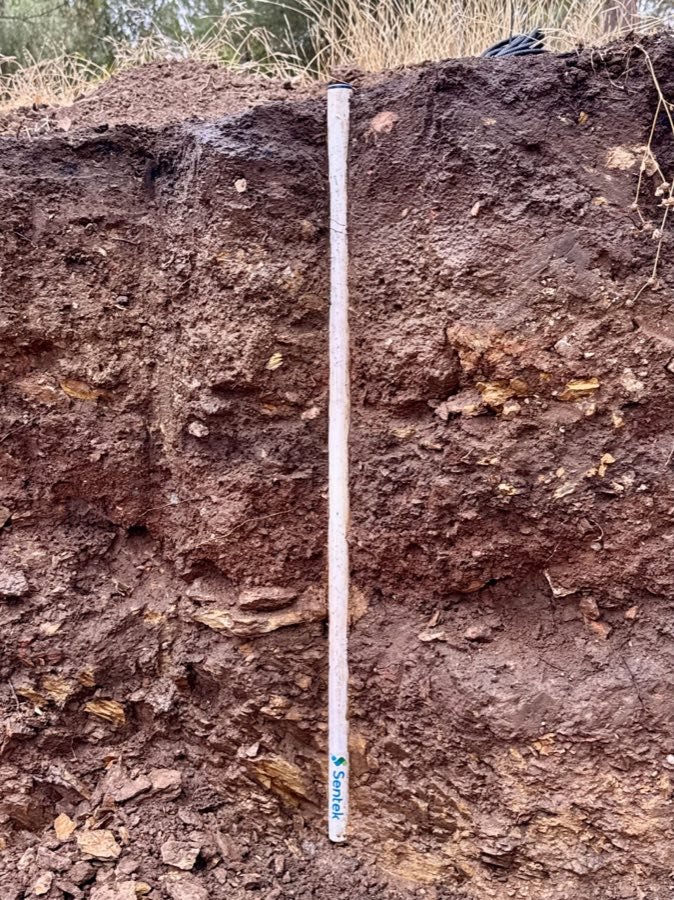
The layers beneath a field can have very different water and rooting conditions. Describing those layers before installation helps place sensors where their readings answer useful management questions.
Read the guide →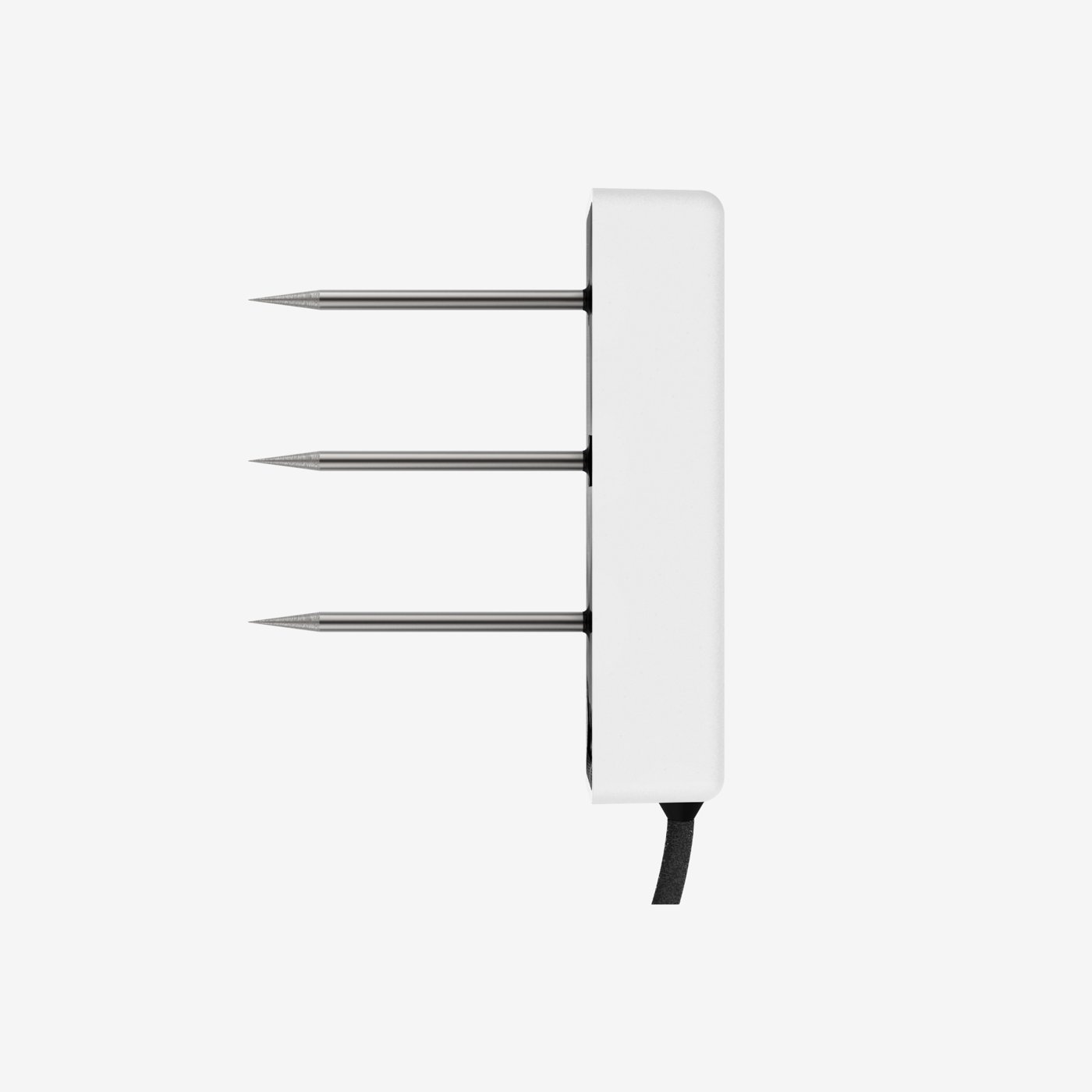 Understand your soil
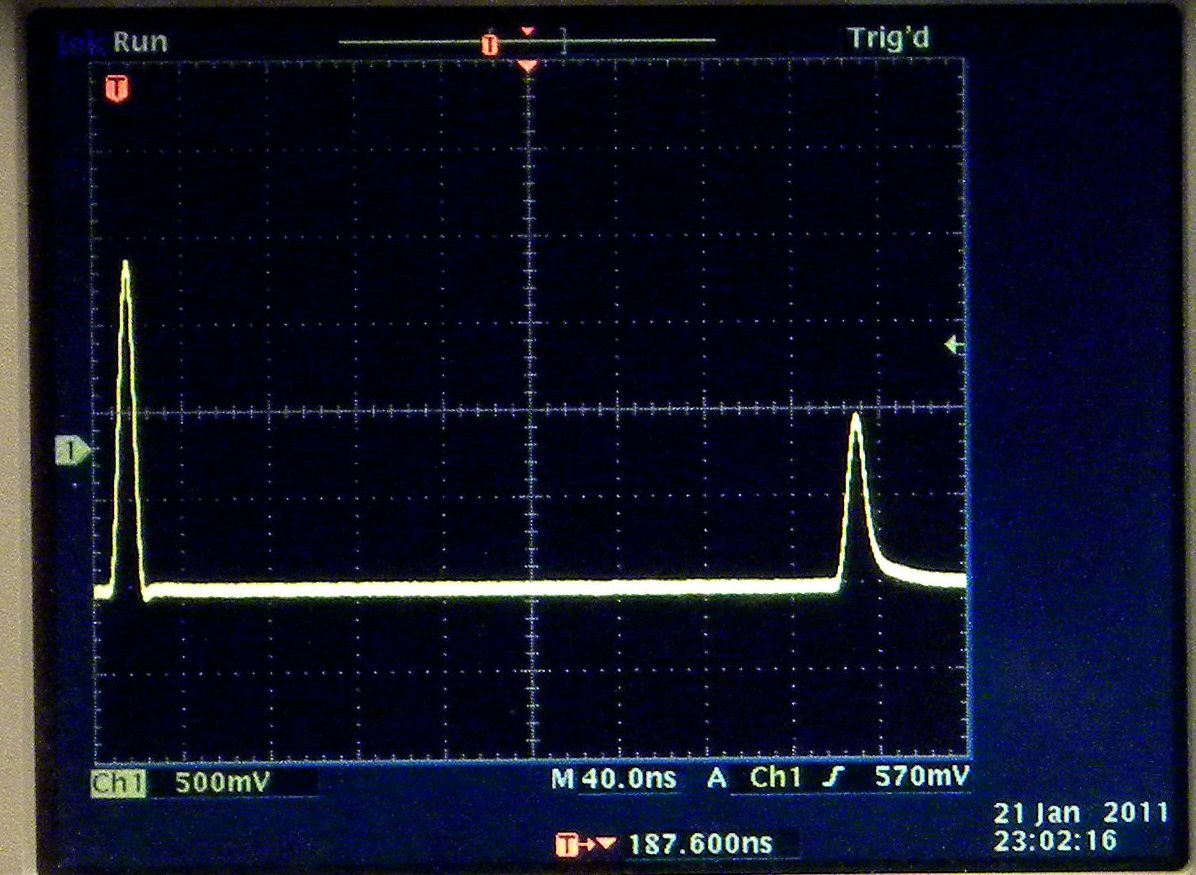
Dielectric permittivity connects many electronic soil sensors to water content. The soil's response includes energy storage and electrical losses, which explains why calibration and operating conditions still matter.
Read the guide →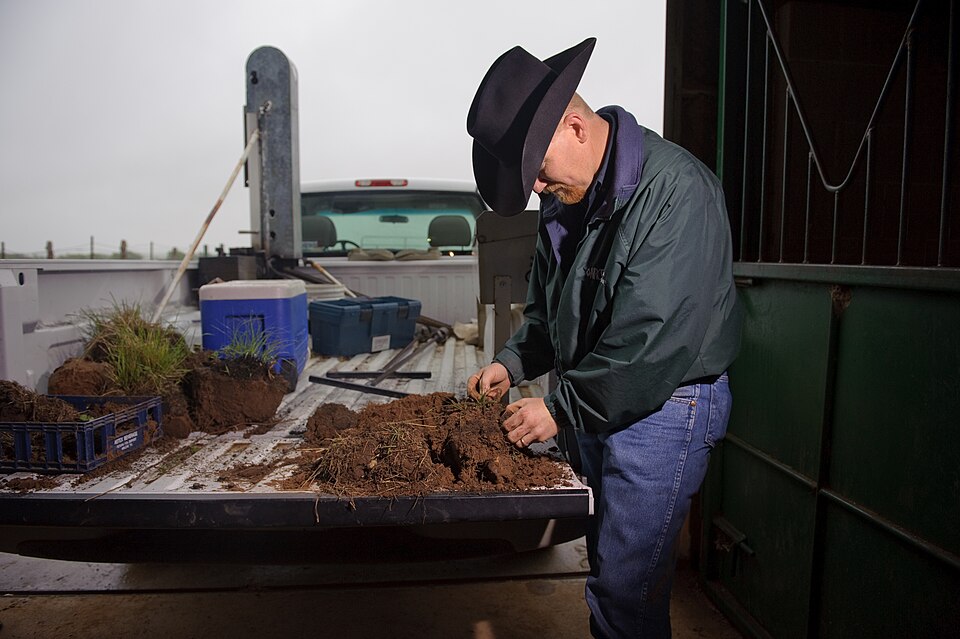 Understand your soil
Identify soil texture by feel and interpret laboratory percentages with the USDA triangle. Separate surface observations from deeper rooted layers.
Read the guide →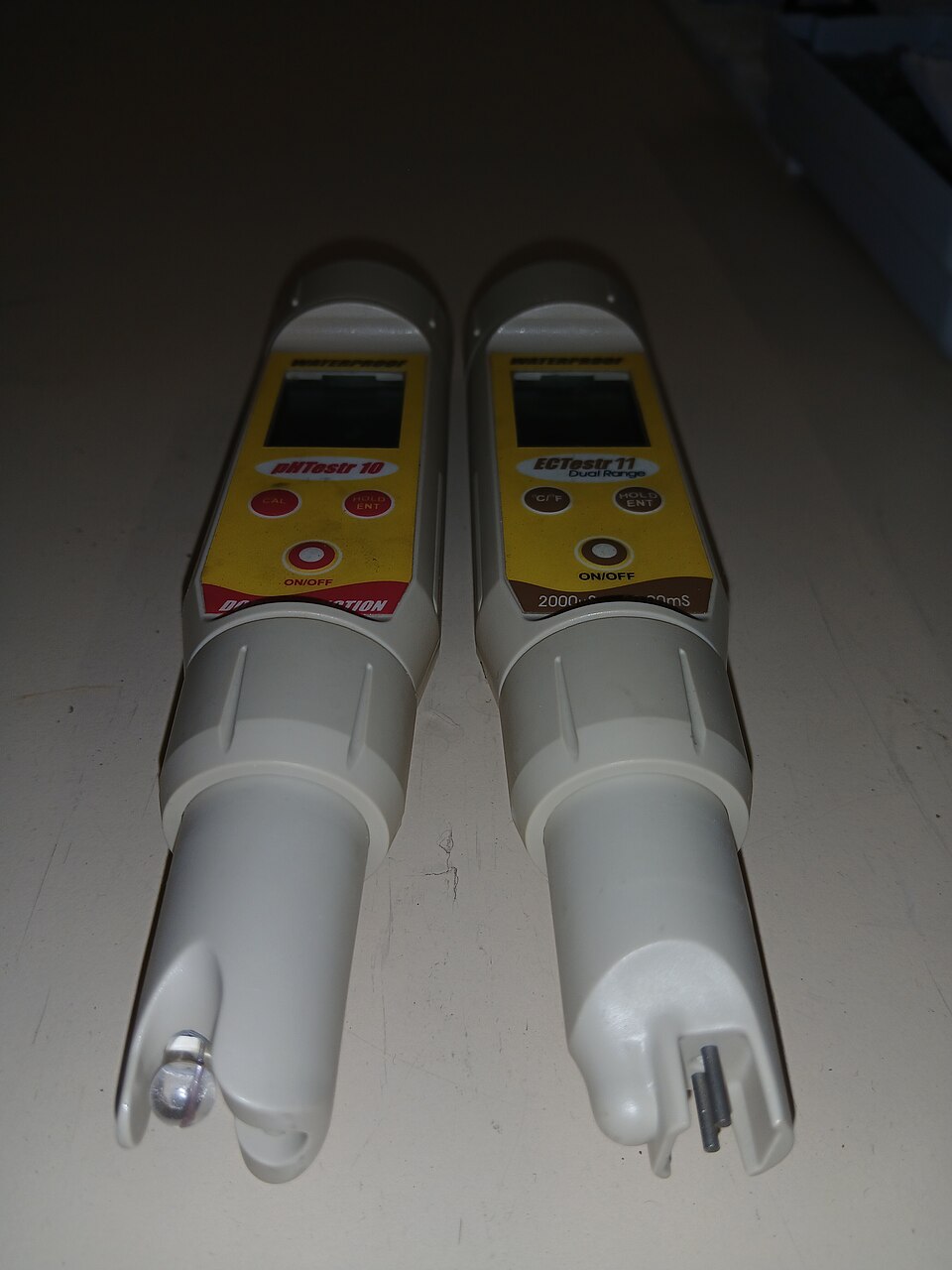 Understand your soil
Plan representative samples for texture, pH, EC, nutrients and calibration. Keep methods and depths clear when combining laboratory results with sensor data.
Read the guide →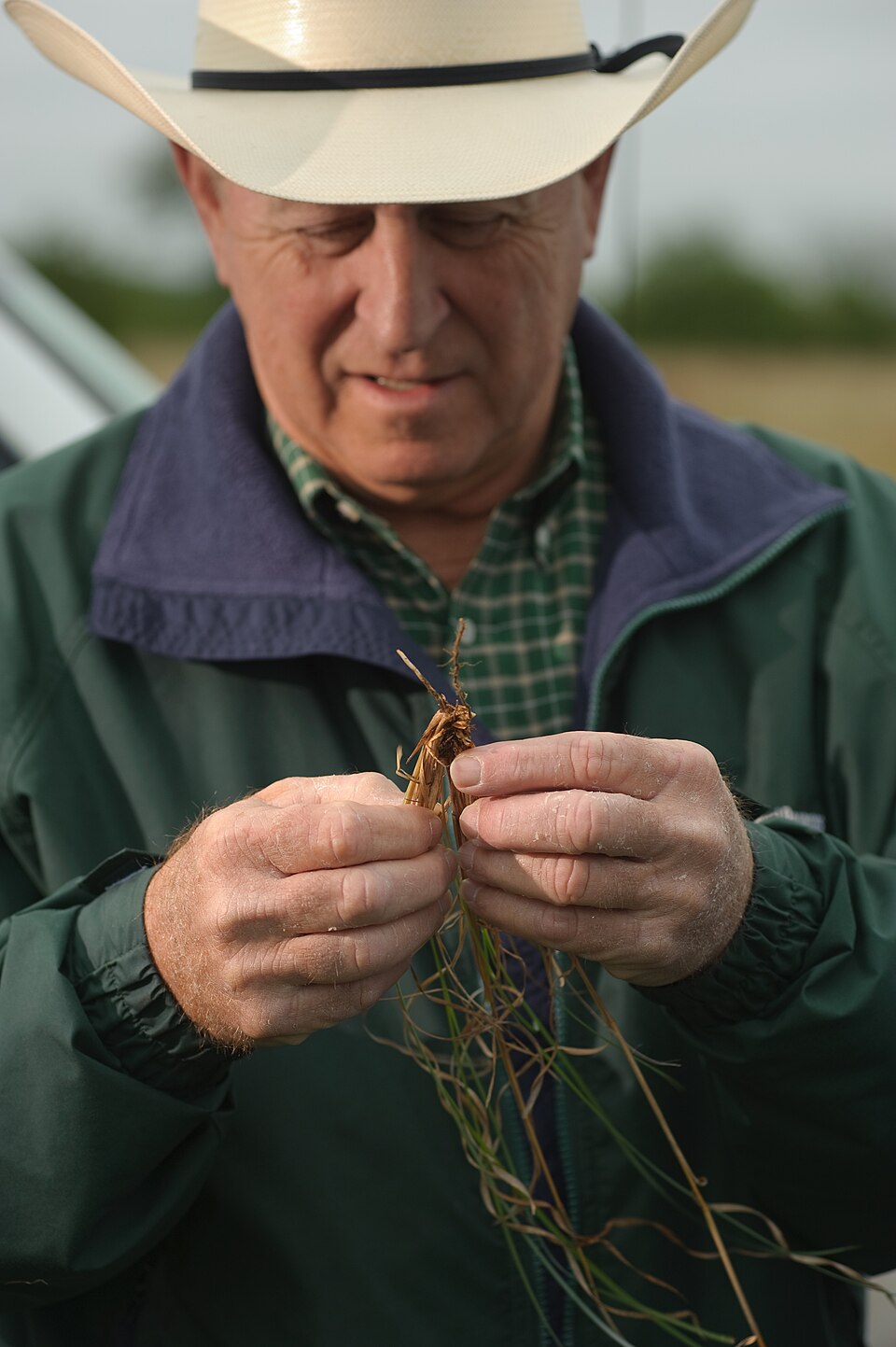 Understand your soil
Understand soil as a mixture of minerals, organic matter, water, air and organisms, then connect those properties to useful field measurements.
Read the guide →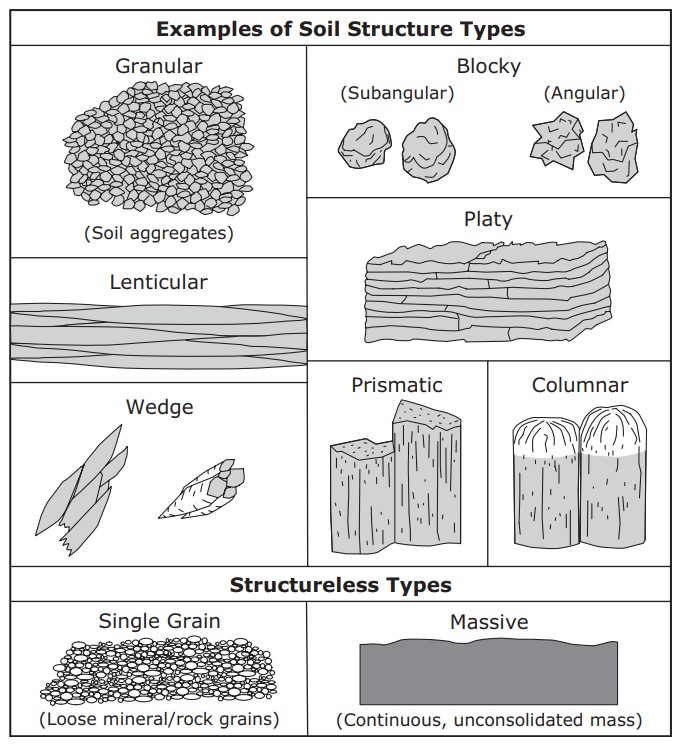 Understand your soil
Learn the 12 USDA soil orders, how taxonomy differs from texture, and when a mapped soil classification helps with field monitoring.
Read the guide →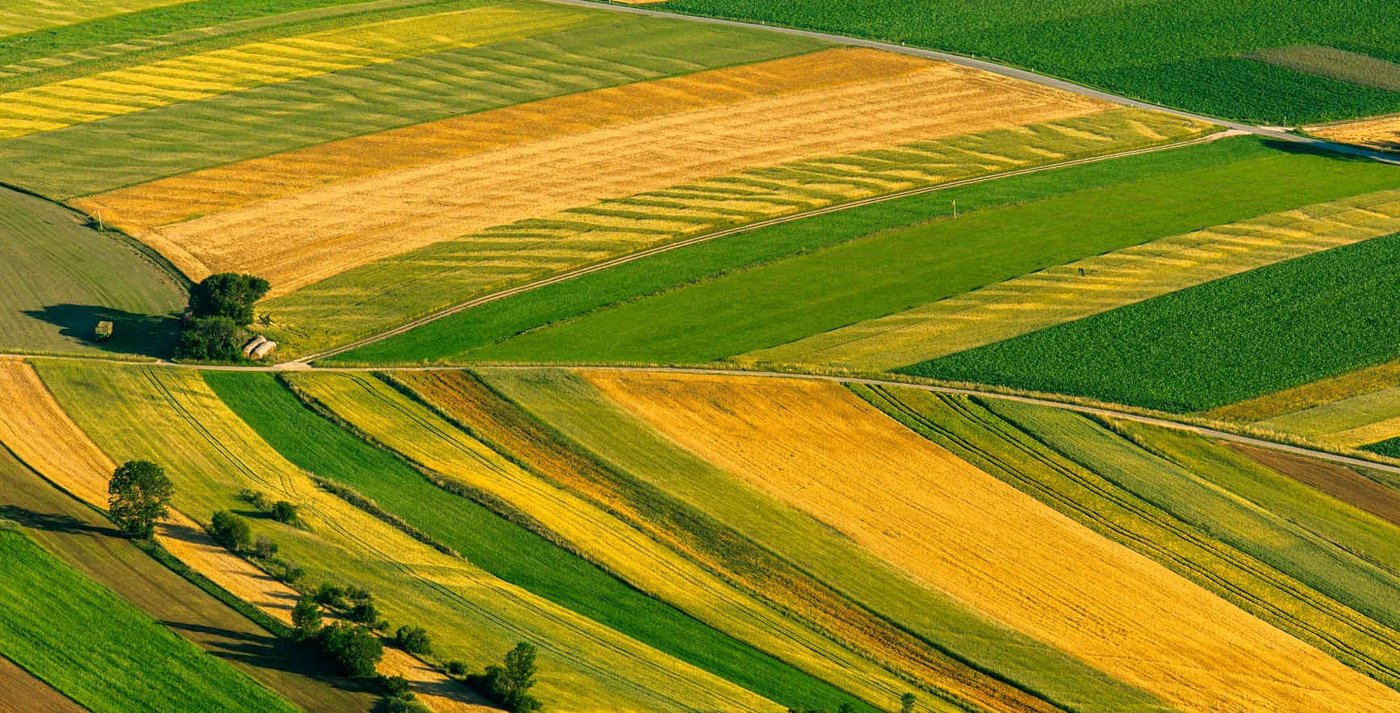 Understand your soil
See how parent material, slope, drainage and soil development create field variation, and use that understanding to place soil sensors.
Read the guide →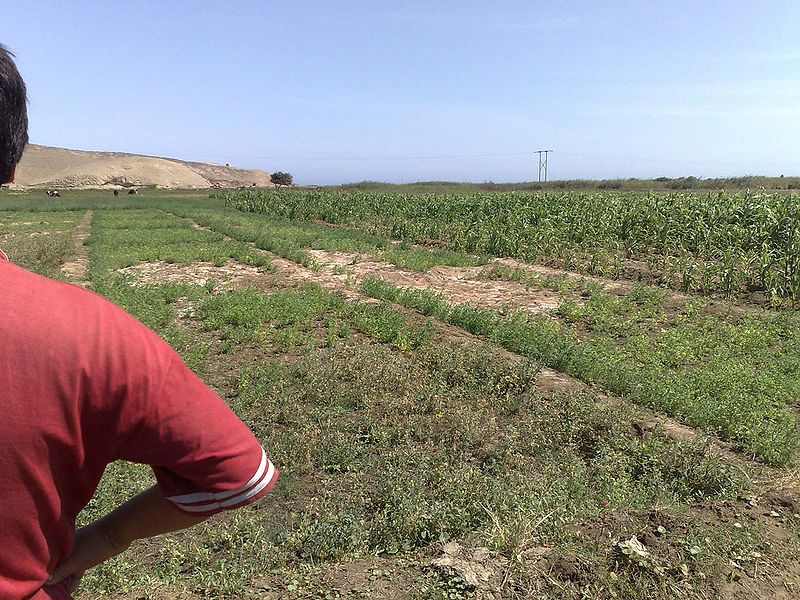 Understand your soil
Distinguish salt stress from sodium related soil problems, interpret EC methods, and plan useful sampling alongside continuous monitoring.
Read the guide → Choose a sensor