Choose the test from the management question
Define whether the question concerns particle-size texture, acidity, salinity, nutrient status or the water-content conversion. These require different methods. A moisture probe cannot identify every nutrient or replace a laboratory chemical extraction. A product offering several outputs should still be assessed against the measurement definition and validation for each quantity.
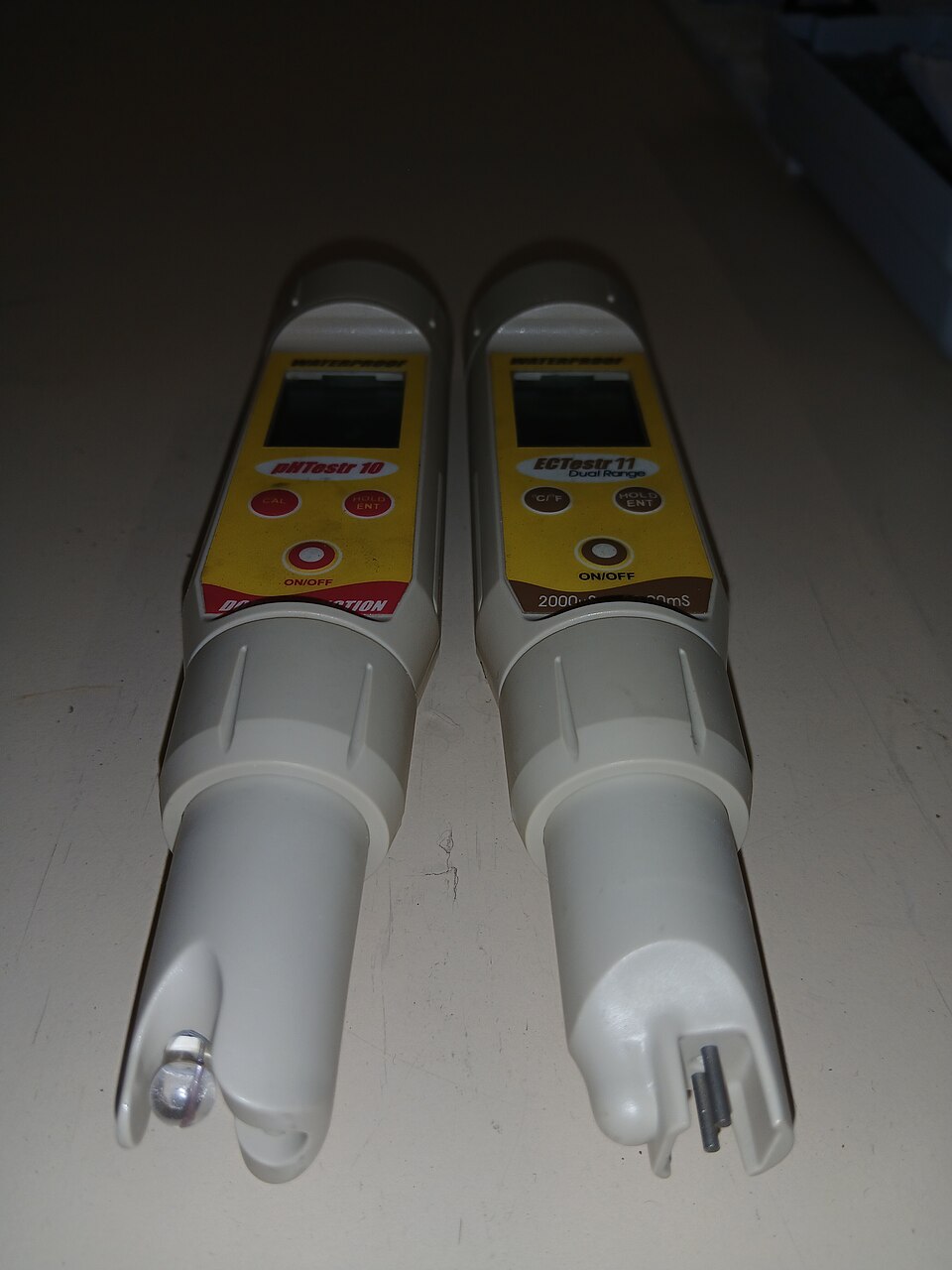
Use the pH and EC guides to decide which chemical result is relevant. Record the laboratory method, preparation and units. A result without that context may be difficult to compare with previous samples or an in-situ sensor output.
Separate zones and depths deliberately
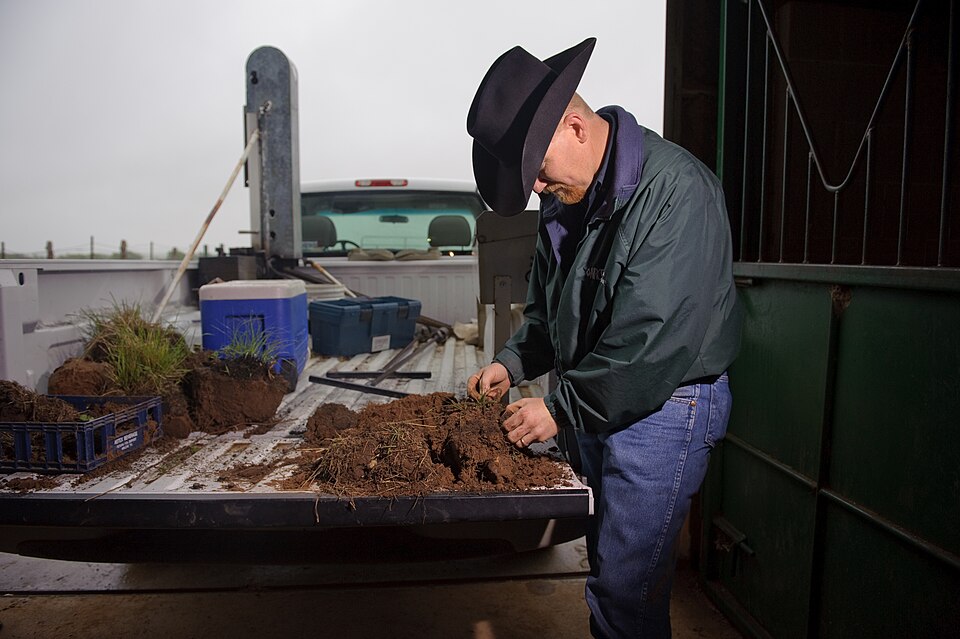
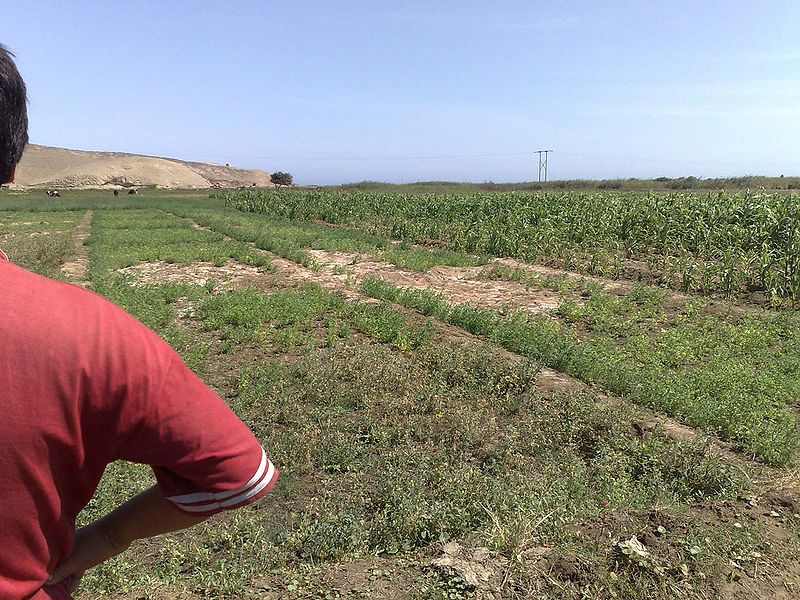
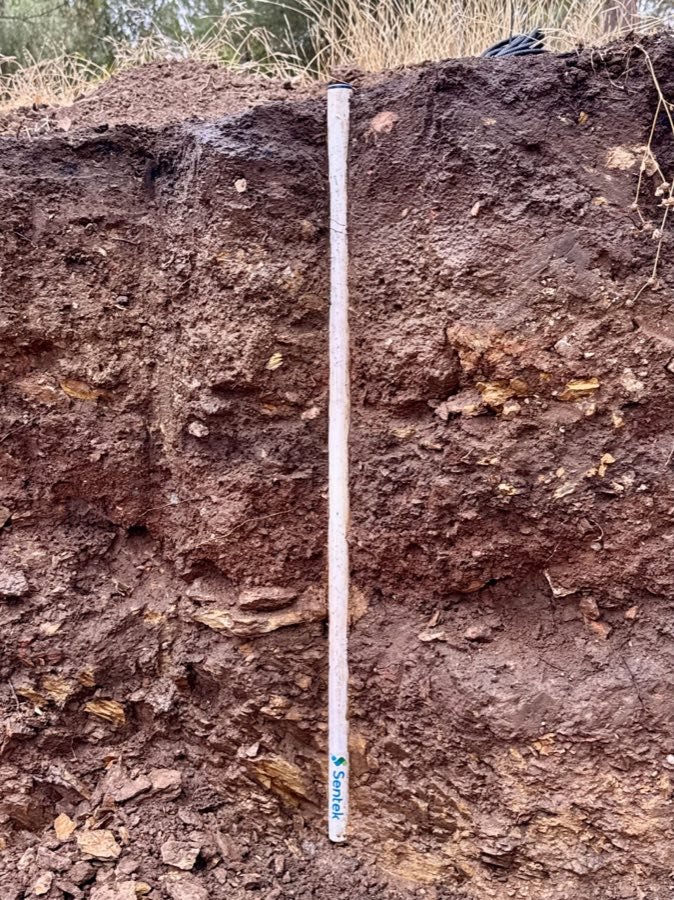
Identify management zones using soil variation, crop history, irrigation and field observations. A composite sample can describe a chosen zone when subsamples are collected consistently. Keep unusually affected areas separate when they require a different diagnosis. Do not mix a visible restrictive layer with surface material if the purpose is to describe that layer.
Record depth ranges and locations. Fertiliser bands, dripper wetting zones, tracks and recent amendment applications can produce local conditions that differ from the wider field. The sampling procedure should fit the question and the laboratory’s guidance. Our profile guide helps define which layers should remain distinct.
Preserve chemical method distinctions
Soil pH can be measured in suspensions prepared with different solutions and ratios, which can yield different values. EC can describe a saturated-paste extract, a fixed-ratio extract, irrigation water or the bulk soil around a sensor. Those numbers should not be substituted for each other without a validated interpretation. Sampling wetness and temperature treatment also matter.
For salinity and sodium-related questions, request the relevant ion or exchange information rather than assuming conductivity identifies the chemical cause. The salinity and sodicity guide explains why structure risk and dissolved-salt concentration are separate questions. Keep these results alongside the moisture and irrigation record instead of merging them into one unlabeled index.
Use reference samples for water content carefully
Gravimetric water content compares water mass with dry soil mass. Converting it to volumetric content requires representative dry bulk density. Sampling time and handling must prevent unintended moisture changes. Match the sample with the material represented by the sensing region, while accounting for the disturbance caused by collection.
A calibration check needs several wetness conditions spanning the working range, plus independent observations to assess a fitted conversion. Follow the calibration guide rather than fitting a curve to a single convenient sample. Water-content reference sampling and routine fertility sampling have different objectives and should not be treated as one universal collection procedure.
Build a usable sampling history
Label samples with the zone, depth, date, crop context and requested analyses. Follow the laboratory’s containers, storage and transport instructions for the relevant tests. Keep the results with their methods and units so later staff can understand a seasonal change. Where a laboratory changes methods, identify that transition before interpreting the difference as a field trend.
Combine periodic tests with continuous monitoring to connect chemical and physical conditions. Laboratory evidence can explain a crop problem that a moisture curve alone cannot resolve; a continuous record can explain when conditions changed between sampling dates. The strength is in the complementary evidence and its metadata.
Common questions
Can bulk sensor EC replace every laboratory EC test?
No. It describes a different measurement material and may need a validated relationship to the laboratory method.
Should I combine samples from every depth?
Only when the sampling objective calls for that composite. Keep depths separate when investigating stratification or sensor-layer conditions.