Storage and infiltration are separate questions
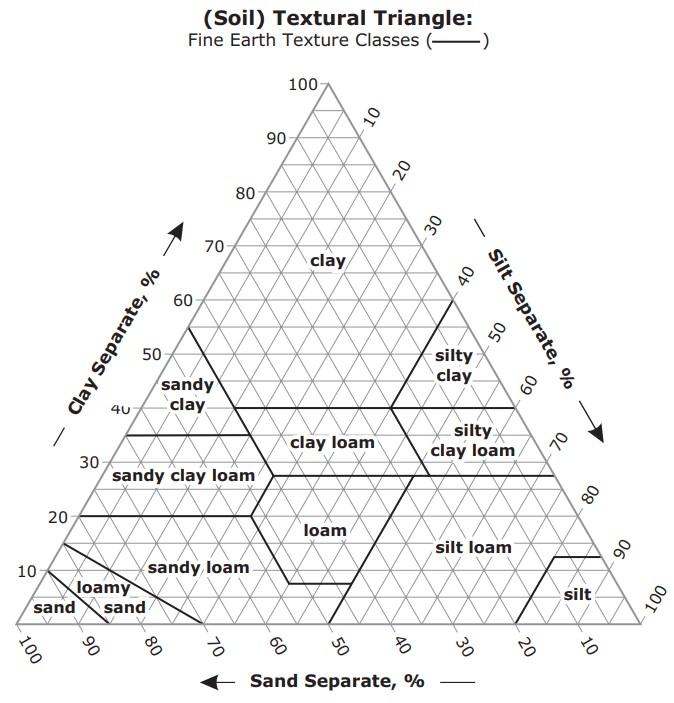
Sandy soils commonly store less plant available water per unit depth than many finer textured soils, which can make shorter intervals useful under high crop demand. Clay soils can hold substantial water, but some of it is retained tightly. Neither description gives a complete schedule: effective rooting depth, stones, organic matter and the soil structure influence how much water a crop can actually use.
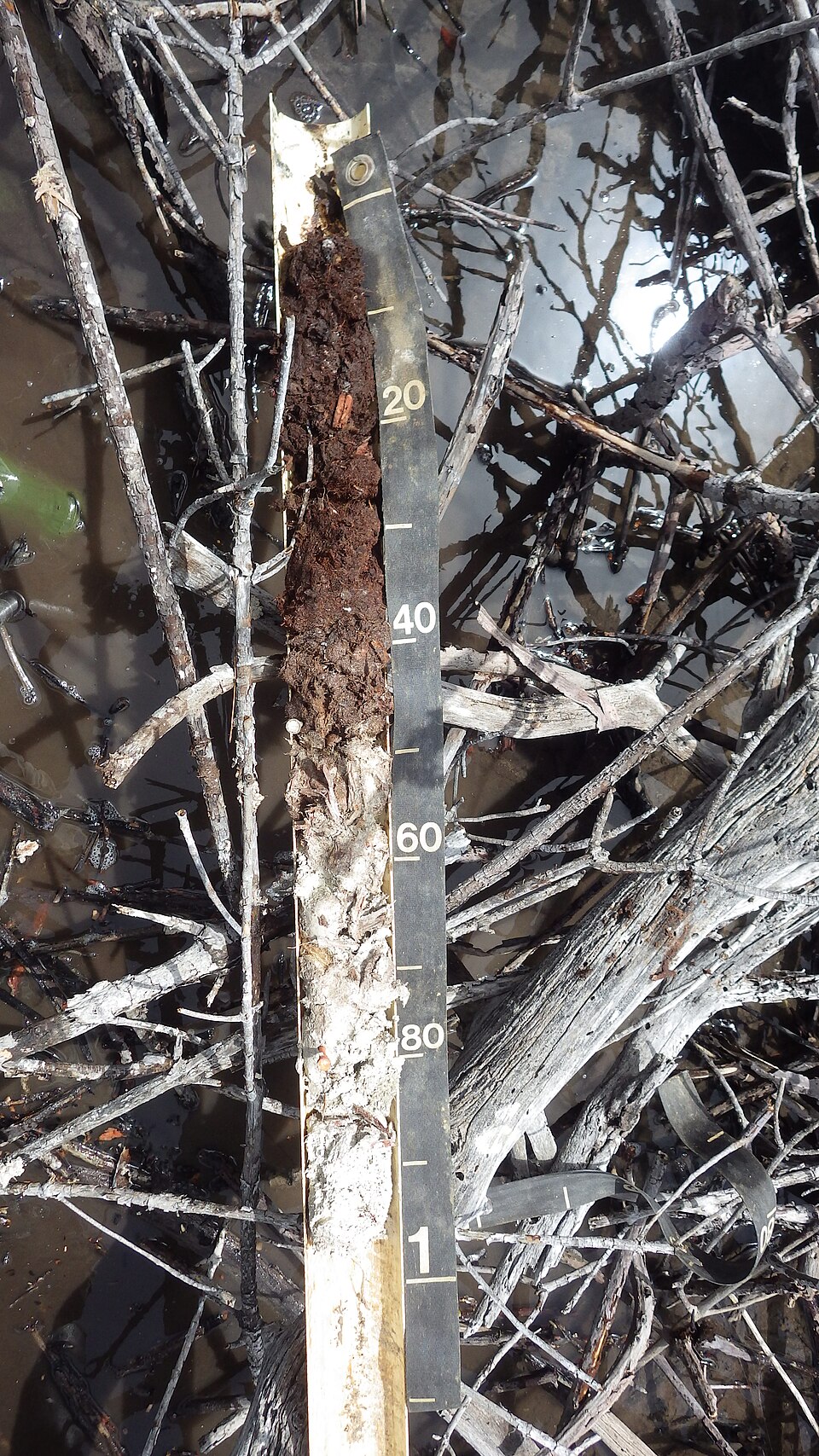
Infiltration and drainage also depend on structure and layers. A well structured clay may accept water through connected pores, while a compacted or crusted surface restricts entry. A sand over a contrasting layer may retain or redirect water differently from a deep uniform sand. Use texture identification with a profile inspection rather than choosing duration from the surface texture alone.
Match application rate to the wetting pattern
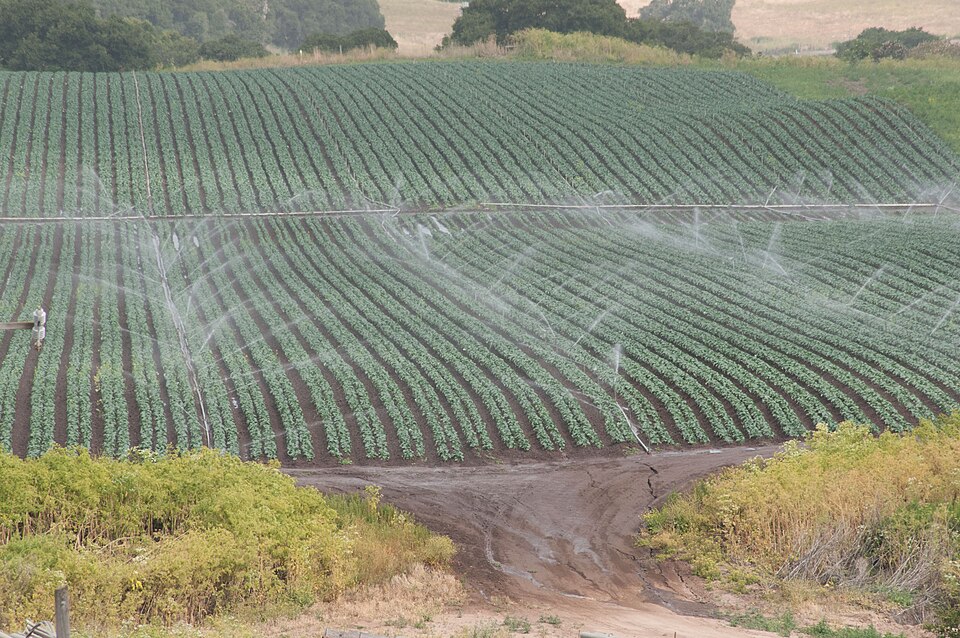
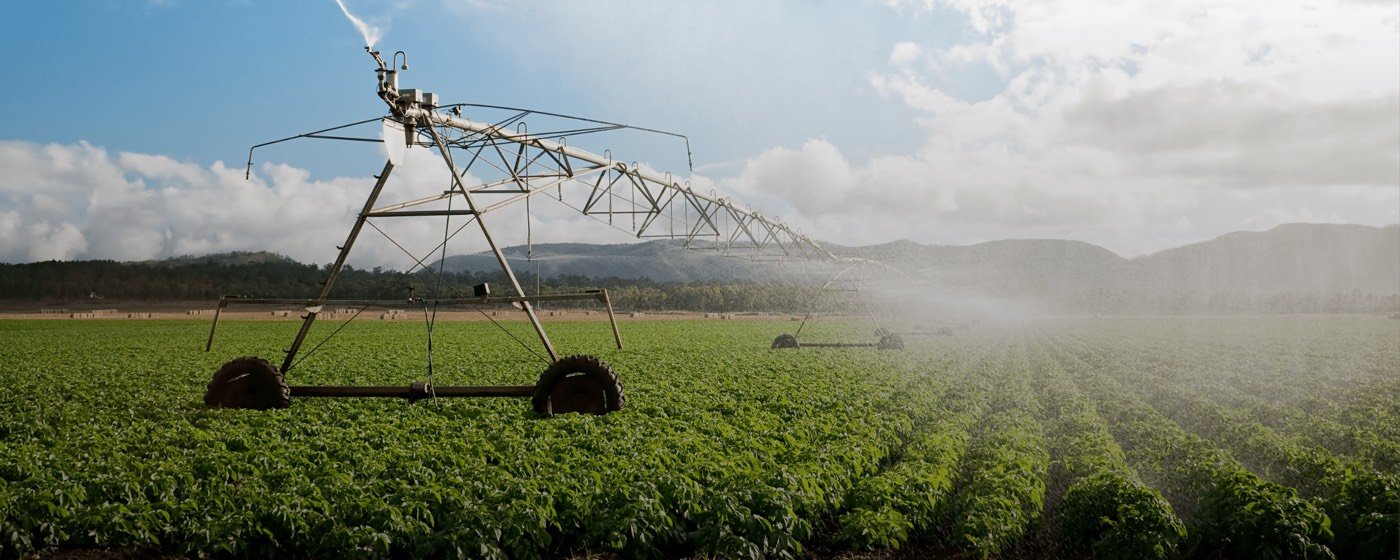
If irrigation delivers water faster than the surface can accept it, ponding or runoff may occur even while the deeper soil remains dry. Pulsed application can sometimes improve distribution, but it must be tested with the actual system. Under drip irrigation, emitter flow, spacing and soil properties together determine the shape of the wetted region and whether neighbouring wetting zones overlap.
A narrow wetting pattern in a coarse material and a broader pattern in a finer one are useful expectations, not guaranteed shapes for every field. Inspect after irrigation and use sensors at locations relevant to the roots. A station directly beside an emitter can register rapid wetting while a meaningful part of the rooted area receives too little water.
Let shallow and deep traces answer different questions
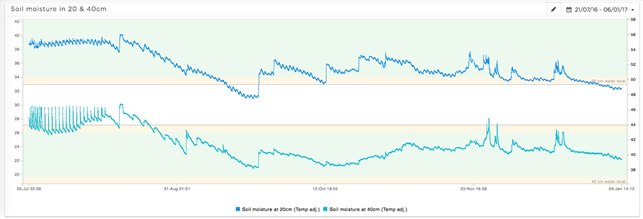
The shallow trace helps identify water arrival and drying in the upper roots. A deeper trace helps show whether an event replenishes the lower active zone or continues beyond it. A weak deeper response may mean insufficient duration, a changed flow path or unsuitable placement. A large repeated response below the effective roots can suggest unnecessary deep movement, but it needs field context.
For sand, watch for fast movement past the useful root zone and avoid assuming that a larger irrigation event creates proportionally more stored water. For clay, watch for slow redistribution, persistent wetness and aeration constraints. The graph guide helps distinguish these patterns from abrupt changes caused by contact or communication faults.
Test and refine one change at a time
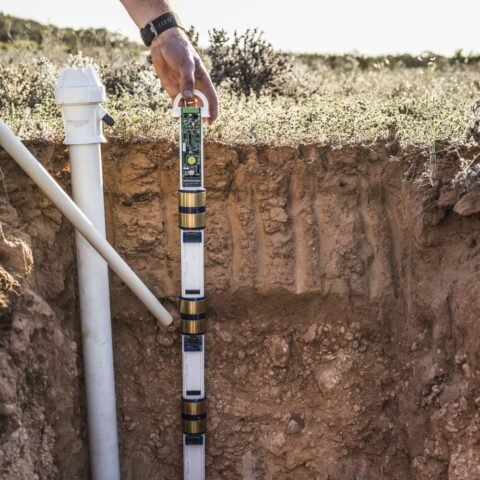
Establish the effective root depth and a local wet and dry operating range. Calculate a preliminary water budget with available water, then compare it with the response to actual events. Adjust duration or interval separately when practical so you can see which change produced the outcome. Record weather, irrigation and crop development alongside the series.
Do not copy a neighbour’s moisture percentage merely because both farms call their soil clay or sand. Soil layers, rooting and probe calibration may differ. Use representative placement and periodic field observations to keep the schedule grounded in the crop. The successful plan supplies water to the active roots at a rate and frequency the local system can support, without treating the texture name as a complete prescription.