Hydrogen interaction provides the measurement
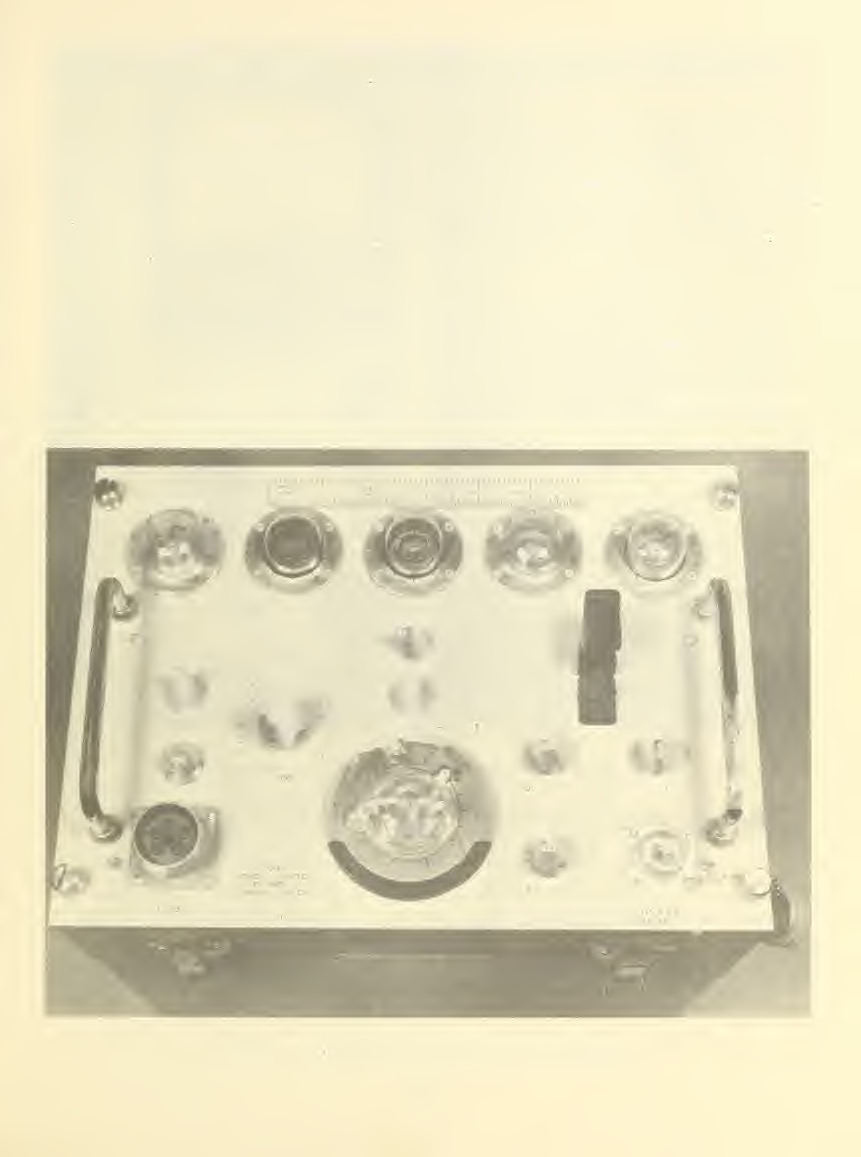
A neutron moisture probe uses the interaction between emitted neutrons and material around an access tube. Hydrogen is particularly effective at slowing neutrons, and water supplies much of the variable hydrogen in many mineral soils. The instrument detects a response that can be related to soil moisture through calibration. It does not measure water by capacitance, electromagnetic travel time or the soil’s dielectric permittivity.
Other sources of hydrogen and the composition of the soil can affect that relationship. Organic material, structural water and local conditions matter, which is why field calibration and suitable reference procedures are important. Describing the method as directly measuring only water is too simple. A documented instrument calibration defines how its count response is converted into a moisture estimate for the conditions being measured.
One access tube supports several measurement depths
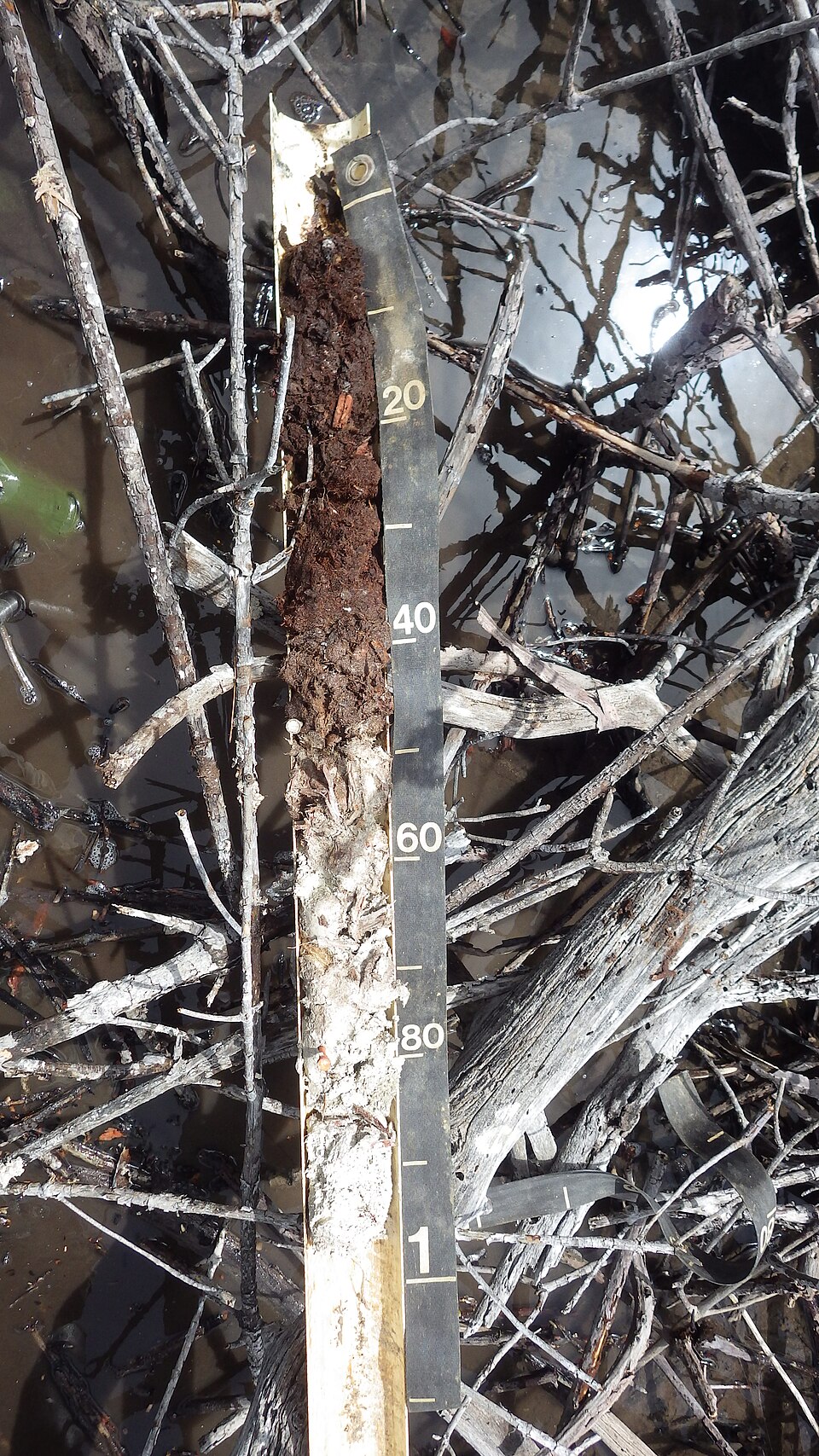
The measuring probe can be positioned at selected depths within an installed access tube, producing a profile during a measurement visit. This is different from a permanently installed electronic profile body that records each sensing level automatically. The access tube also introduces its own installation considerations: contact and disturbance around the tube influence how well the surrounding soil represents the field.
The measurement samples a volume around the probe that depends on the instrument and soil moisture conditions. Readings close to the soil surface require particular care because the surrounding geometry differs from a deeper position. A depth label is not proof that the measurement comes from an infinitely thin horizontal layer. These characteristics should be considered when comparing neutron results with a small electronic sensing volume.
Why it remains a specialised tool
Neutron moisture gauges use radioactive sources and require appropriate trained operation, source management and the applicable authorisation arrangements. Those practical requirements are central to the method, alongside cost and calibration. Research organisations and specialist services may use the method where its profile measurements fit an established measurement programme.
For a grower who needs frequent unattended readings at many locations, the equipment and measurement visits can make electronic probes easier to integrate into everyday irrigation decisions. A neutron instrument may instead support periodic reference measurements or a research design. That is a comparison of operating arrangements, not proof that every electronic sensor is equally accurate or that the neutron method is the best reference under all conditions.
Compare the data you actually need
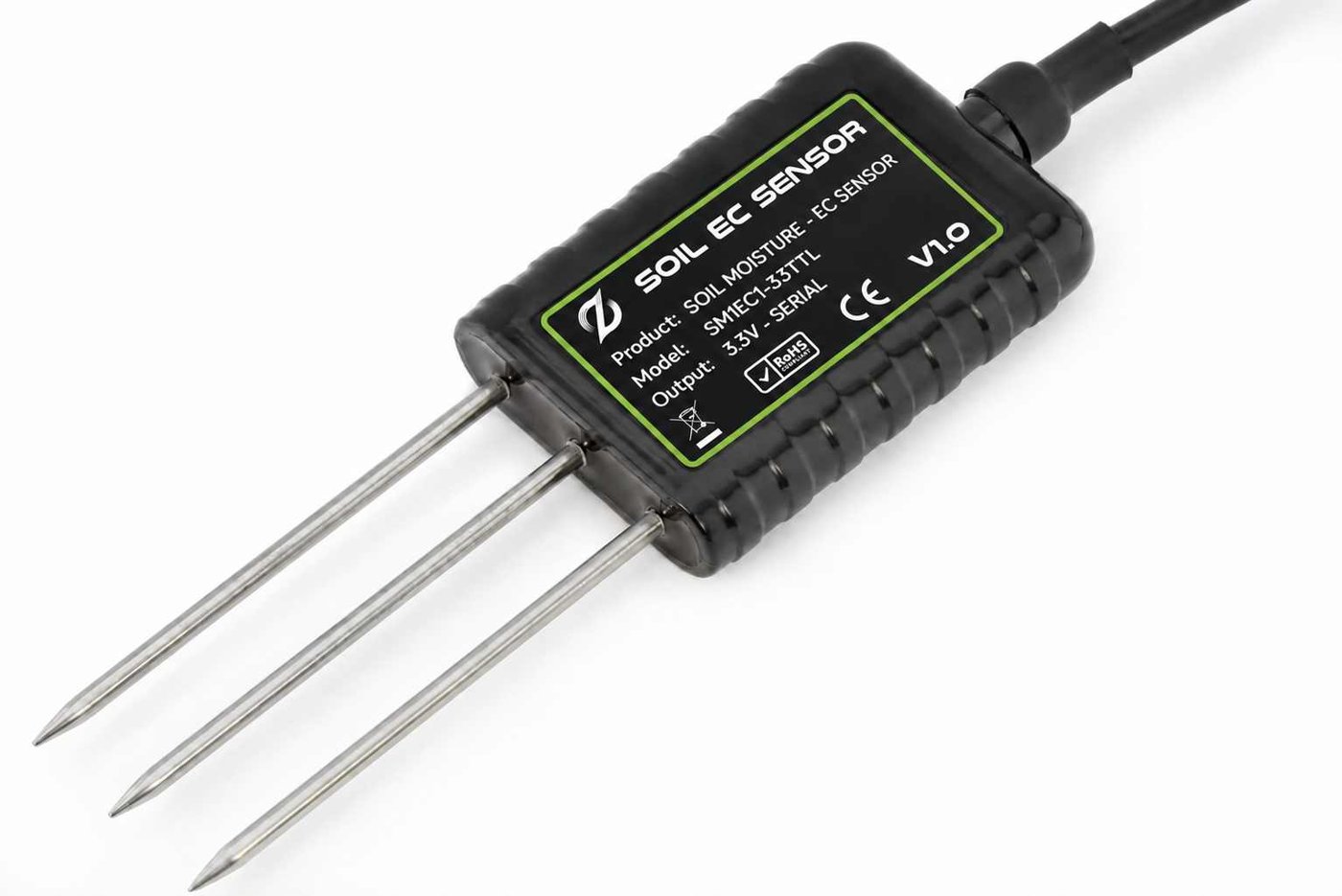
Write down the necessary depth coverage, frequency, reference method and intended decisions. Periodic profile observations may be sufficient for a water balance study, while irrigation alerts may need hourly measurements and remote access. Include calibration, travel, staffing and source related operating arrangements in whole system cost, rather than comparing the measuring head alone with a connected sensor package.
When comparing methods, align their locations, depths, sampling times and measurement definitions. Differences between two traces may reflect sensing volume or installation rather than a failed instrument. Read point and profile sensor layouts and calibration before using one method to assess another. The best monitoring design connects a defensible measurement to the frequency and coverage required by the field question.