A transmitted signal through a sensing path
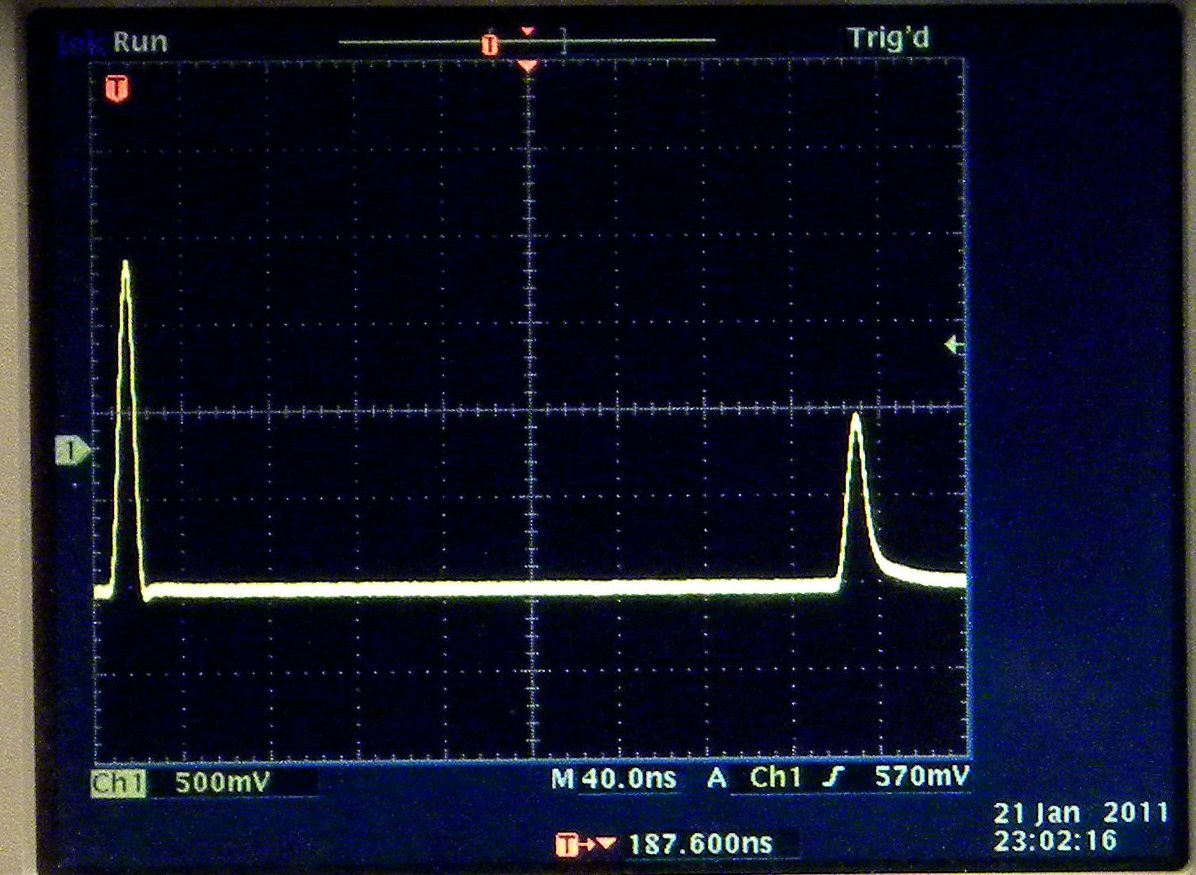
Time domain transmissometry estimates soil moisture from the travel time of an electromagnetic signal along a sensor transmission path. Water changes the surrounding dielectric response, which changes how quickly the signal propagates. The electronics convert that response into a moisture estimate using a calibration relationship. The measurement is local to the sensor and does not directly measure the water content of an entire field.
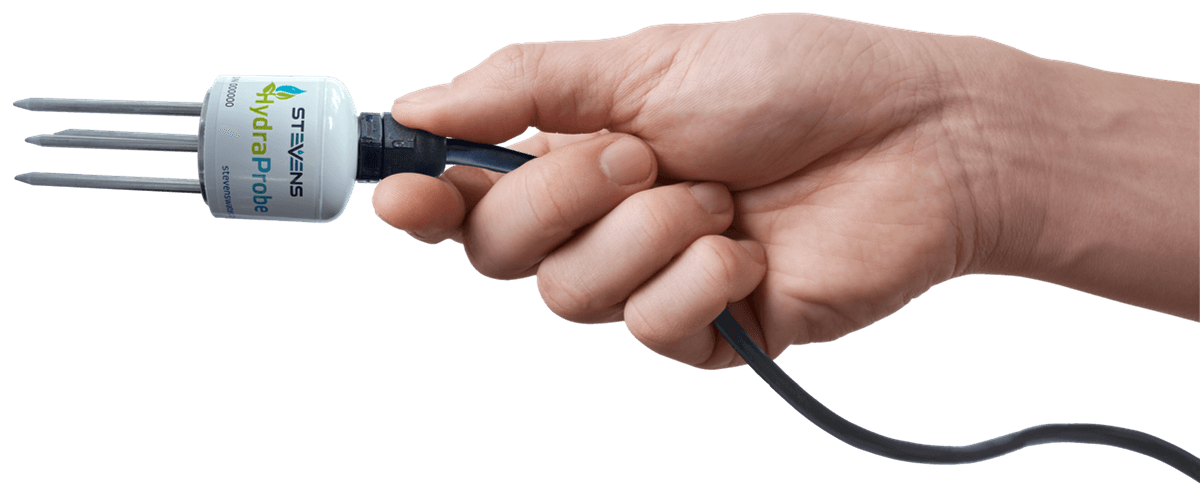
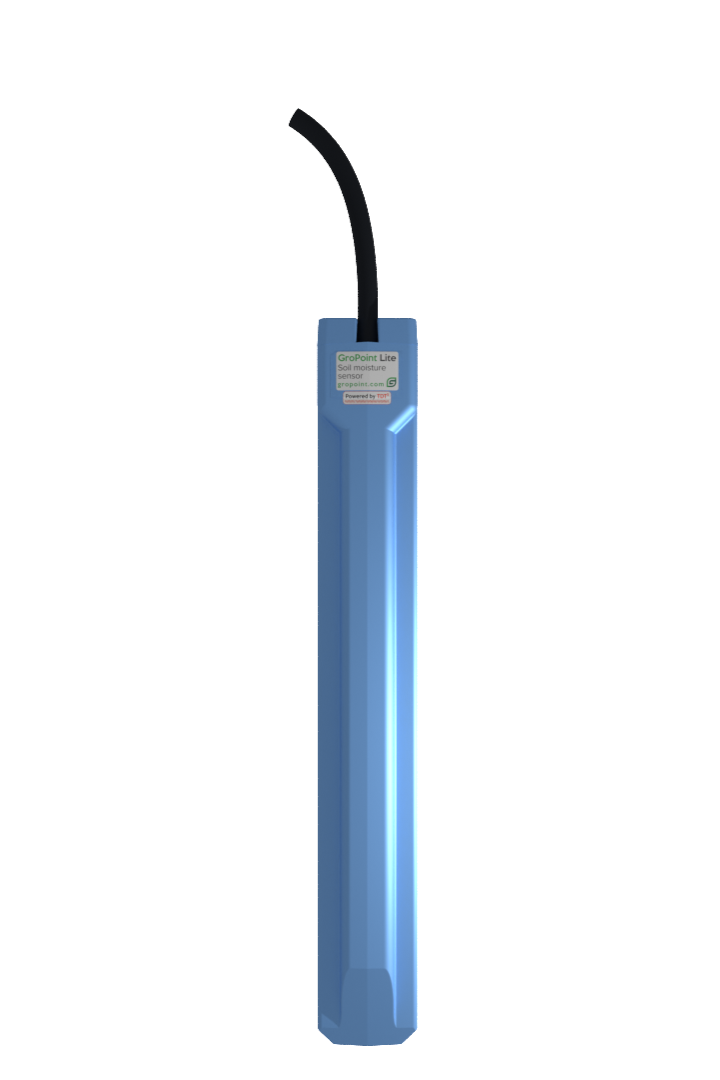
The important distinction from TDR is how the timing information is obtained. TDR analyses a reflected signal; TDT uses a signal received after travelling through the sensing path. Different mechanical designs implement this principle, so a product described as TDT does not necessarily have the same sensing volume, dimensions, electronics or output interface as another TDT device.
What the method name does and does not establish
Transmission can support practical integrated electronics, but it does not establish a universal advantage in accuracy, cost or power consumption. Those are properties of a specified model under specified conditions. Compare the published calibration, operating range and accuracy conditions, and ask which soil materials the manufacturer used to validate them. A measurement principle should narrow the questions you ask, rather than settle the purchase on its own.
Electrical conductivity, temperature and unusual soil composition can influence electromagnetic measurements. The degree of sensitivity depends on the design and signal processing. A claim that one sensor tolerates saline soil needs a defined moisture accuracy condition, not just an EC output range. Use accuracy terminology to distinguish resolution, repeatability and accuracy, and avoid interpreting a smooth graph as proof of an accurate absolute water content.
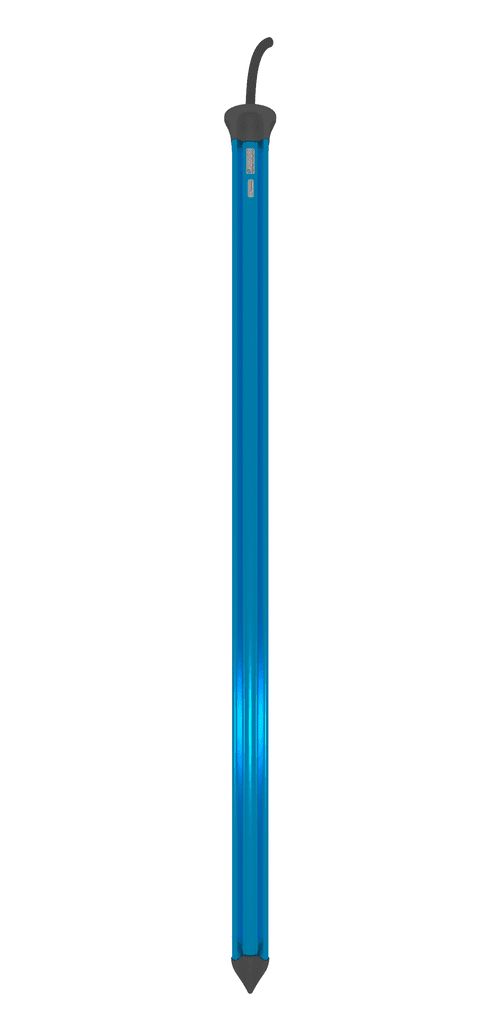
Protect the sensing volume during installation
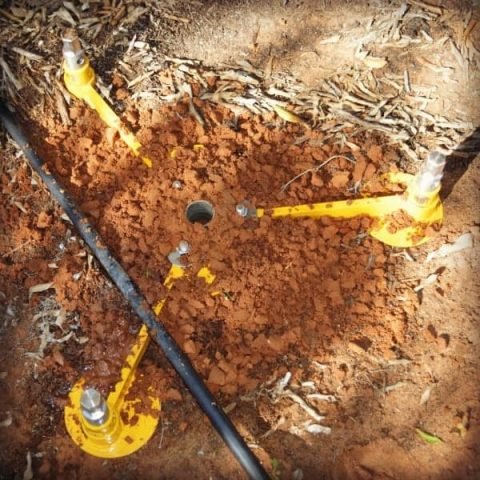
Install according to the particular device manual, keeping intimate contact between the sensing elements and representative soil. Air spaces, stones and a disturbed backfill can change the measured response. If the device is installed in a trench or hole, preserve the intended layer and avoid leaving a preferential path for irrigation water. The probe orientation and the placement of cables should follow the manufacturer’s requirements.
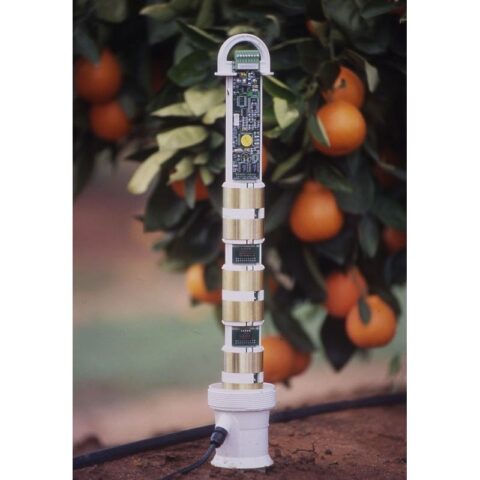
Choose depth from the roots and the question. A shallow reading can show the arrival of an irrigation pulse, while a deeper level can show whether water reaches the lower root zone. Multiple separate sensors or a suitable profile design can provide this information. The term TDT alone does not tell you how many depths a product measures; check the actual sensing layout and whether each level produces a separate reading.
Use trends before relying on an absolute threshold
Observe several wetting and drying cycles and record irrigation events. Confirm that changes are plausible at the installed depth, and compare against a reference or a local calibration check when absolute moisture values matter. A jump during irrigation followed by drainage has a different meaning from a gradual dry down between events. Check the graph against soil and root observations before treating a single reading as an instruction to irrigate.
Finally, compare the whole system: sensing depth, logger or gateway, communication, power, dashboard and maintenance. A wired TDT sensor may fit an existing logger well, whereas an integrated connected system may reduce the equipment needed at a new site. Read wired versus integrated systems and installation planning alongside the measurement specification.