What soil pH describes
pH describes hydrogen ion activity on a logarithmic scale. Lower values indicate greater acidity, while higher values indicate more alkaline conditions relative to the measurement context. A one-unit difference represents a tenfold difference in hydrogen ion activity under the same conventions. It does not imply that an amendment requirement changes by the same factor. Soil pH influences nutrient availability, biological processes and chemical reactions around roots. Different crops tolerate different ranges, and conditions below the surface can differ from the cultivated topsoil. A useful result therefore includes the sampling location, depth and method, rather than a bare number.
Compare results using the same method
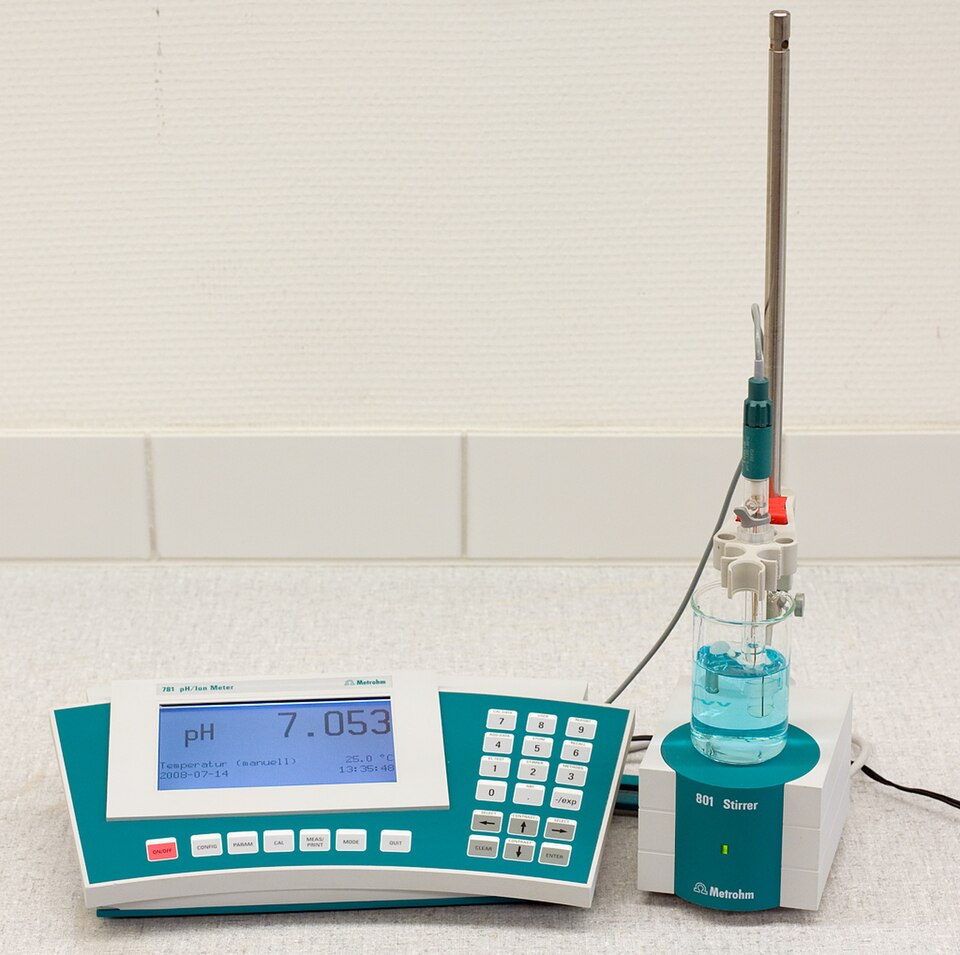
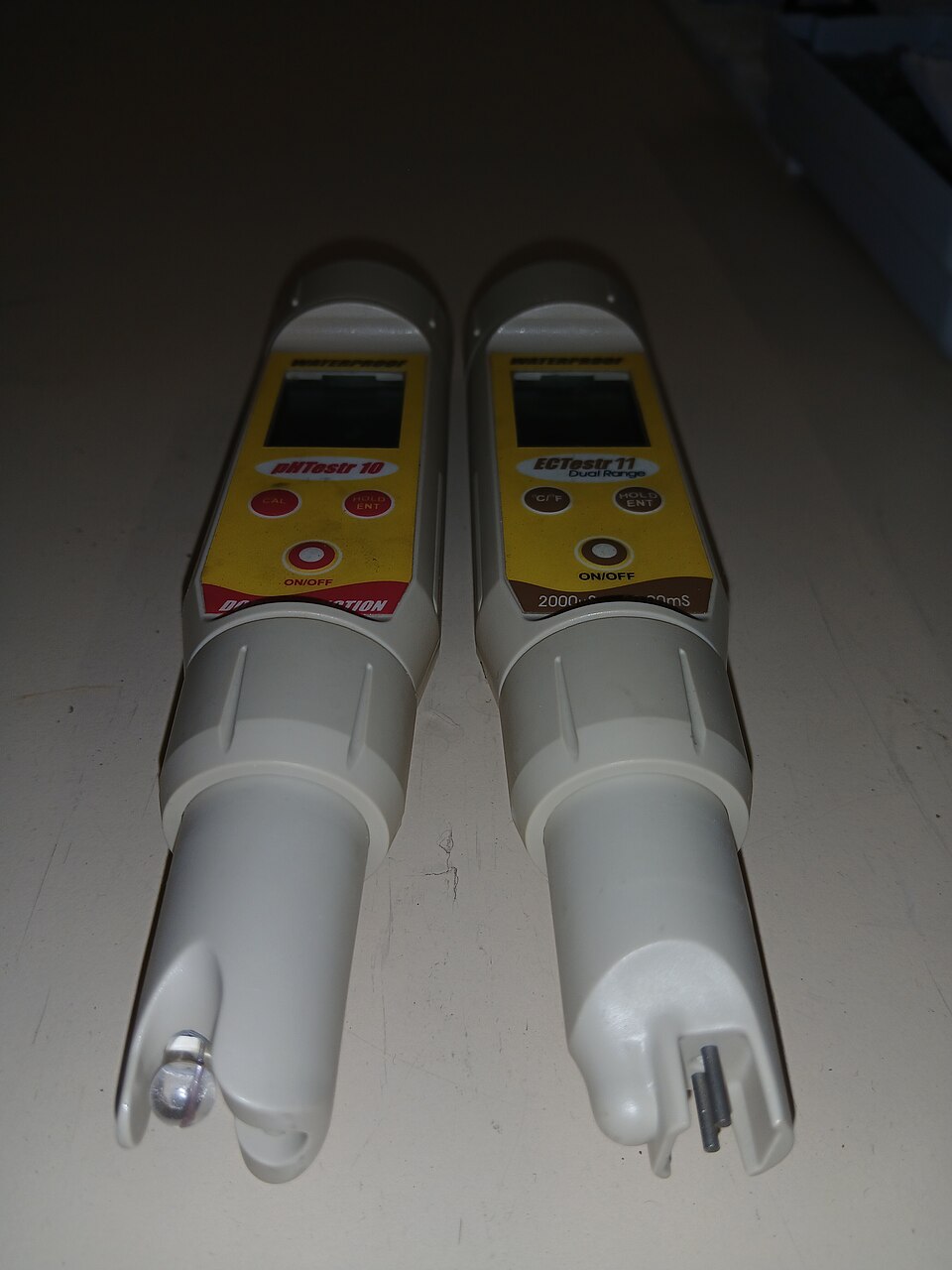
Laboratory methods commonly measure a prepared soil suspension using water or a specified salt solution. The extraction ratio, solution and procedure affect the result. A water-based value and a calcium-chloride value should not be treated as interchangeable without an appropriate interpretation. Measurements in the field also depend on electrode contact, solution conditions and calibration. Ask the laboratory or manufacturer which method applies. Maintain consistent methods when following changes through time. Temperature affects the measurement system and chemical equilibria, so follow the stated preparation and compensation procedure rather than assuming all pH tests are independent of temperature.
Sample the managed soil zone
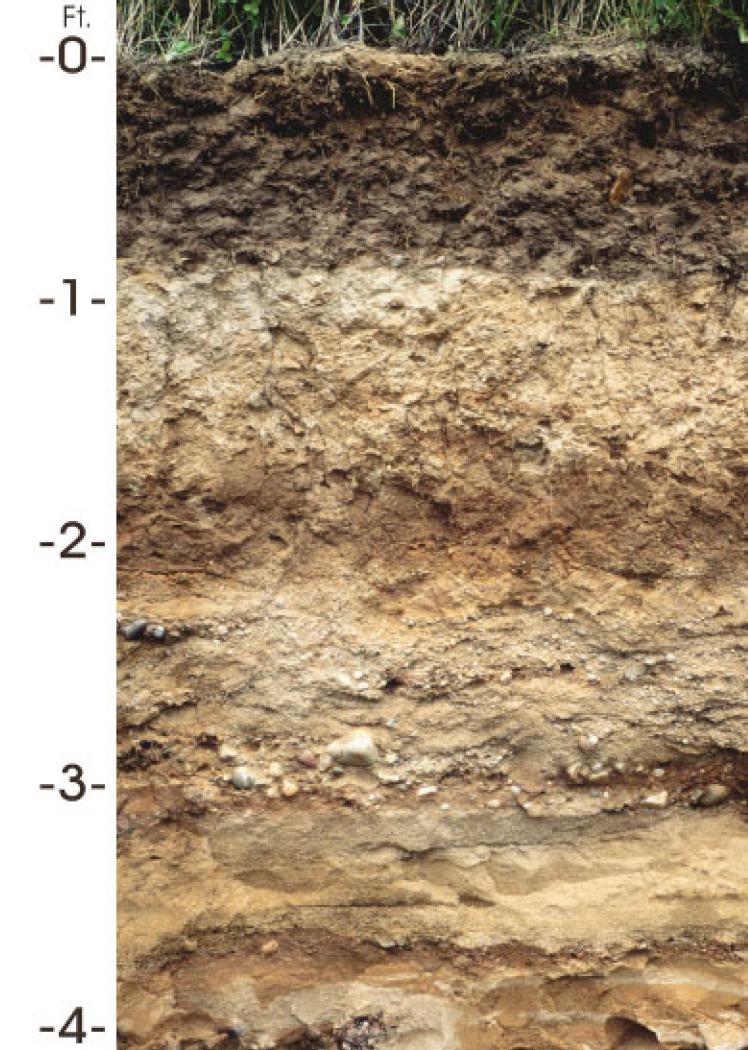
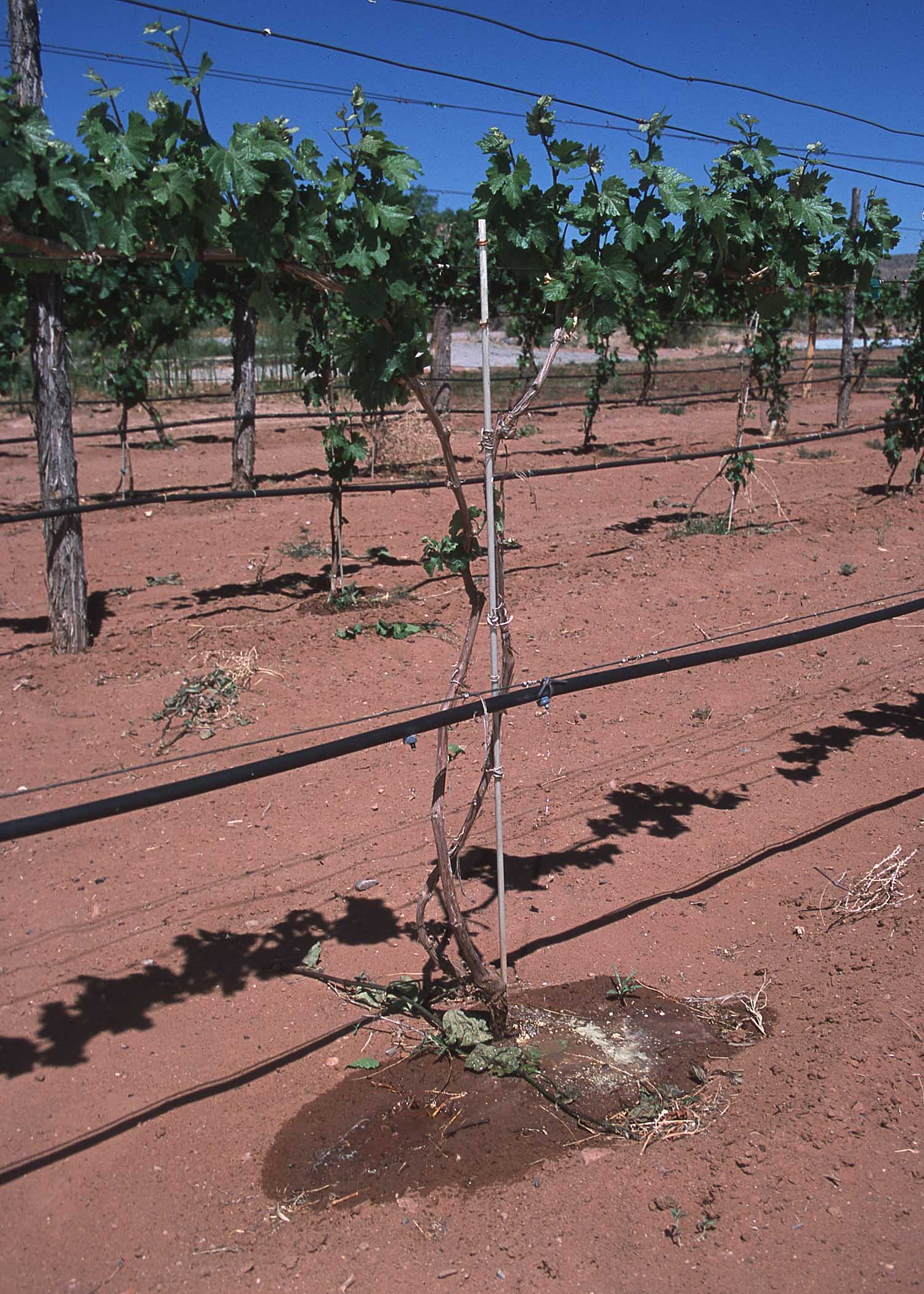
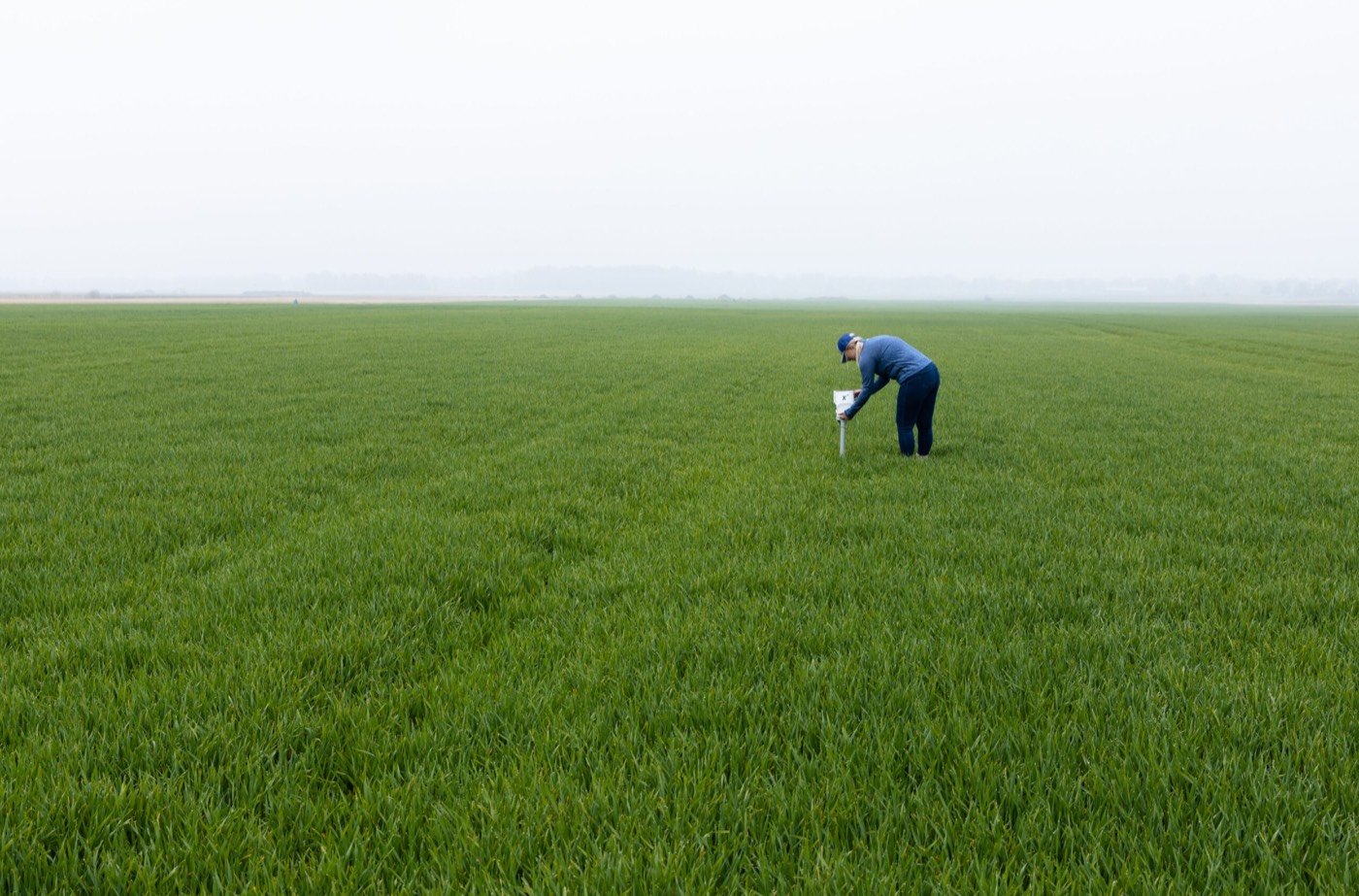
A composite sample can represent a management zone when its subsamples are collected consistently. Separate areas with different soil types, fertiliser history, drainage or crop performance when they require different treatment. Record sampling depth and avoid blending surface material with a deeper layer if the question concerns stratification. Take special care around fertiliser bands, drip wetting zones and amendment piles, which may not represent the wider field. Sampling designs should match the management decision and local laboratory guidance. The soil horizons guide explains why a single depth does not always describe the complete rooted profile.
Interpret pH with the crop and soil
There is no single optimum pH for every agricultural crop and growing medium. Interpret the result using crop requirements, soil properties and the laboratory’s regional recommendations. A plant showing poor growth may also face water stress, salinity, compaction or a nutrient imbalance. pH helps narrow the diagnosis but cannot identify all of these causes alone. Check tissue or nutrient analysis where it supports the question. Our electrical conductivity guide describes a complementary chemical measurement. Conductivity and pH describe different properties, and a value from one cannot reliably substitute for a test of the other.
Use buffering information for amendments
Two soils with the same pH can require different amounts of amendment because their buffering capacities differ. Organic matter, clay and exchange properties help determine resistance to a pH change. Lime recommendations may use buffer tests or other locally established methods, alongside crop targets and the material’s effective neutralising value. Acidification planning likewise requires more than a current pH reading. Obtain a recommendation appropriate to the soil and intended treatment depth instead of selecting a rate from a universal table. Keep application records and allow the expected reaction time before judging the effect through repeat sampling.
Combine periodic testing with field monitoring
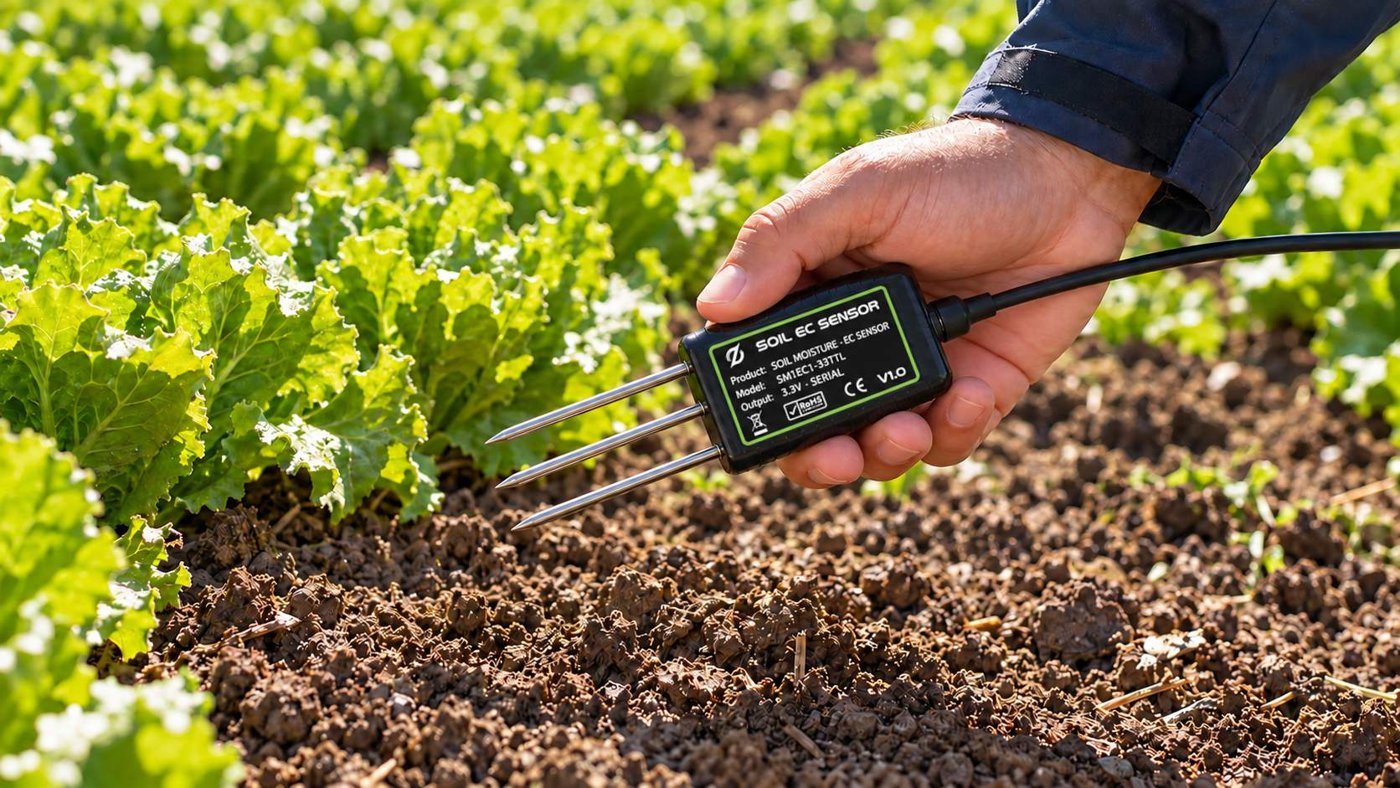
Continuous moisture and temperature data can explain changes in root-zone conditions between laboratory sampling dates. They do not automatically provide a laboratory-equivalent pH measurement. If a monitoring product reports pH, verify its sensing method, calibration procedure, maintenance and evidence of performance in the intended soil. Preserve laboratory results separately with their methods and dates. For greenhouses, distinguish mineral soil from substrates and from irrigation or drainage solution tests. Each describes a different material. Our monitoring applications guide shows how to assemble measurements around a crop decision, with periodic sampling and continuous sensing contributing different information.
Common questions
Can I calculate a lime rate from pH alone?
No. Buffering, target crop, treatment depth and amendment properties affect the rate. Use an appropriate soil-test recommendation.
What should I record when comparing readings?
Keep the date, sensor model, depth, location, measurement units and calibration with the reading. Record irrigation and sampling methods where relevant so that later comparisons describe the same quantity and field conditions.
Apply this to your monitoring plan
Use a defined sampling method when a chemistry result will guide management.