Accuracy, precision and resolution
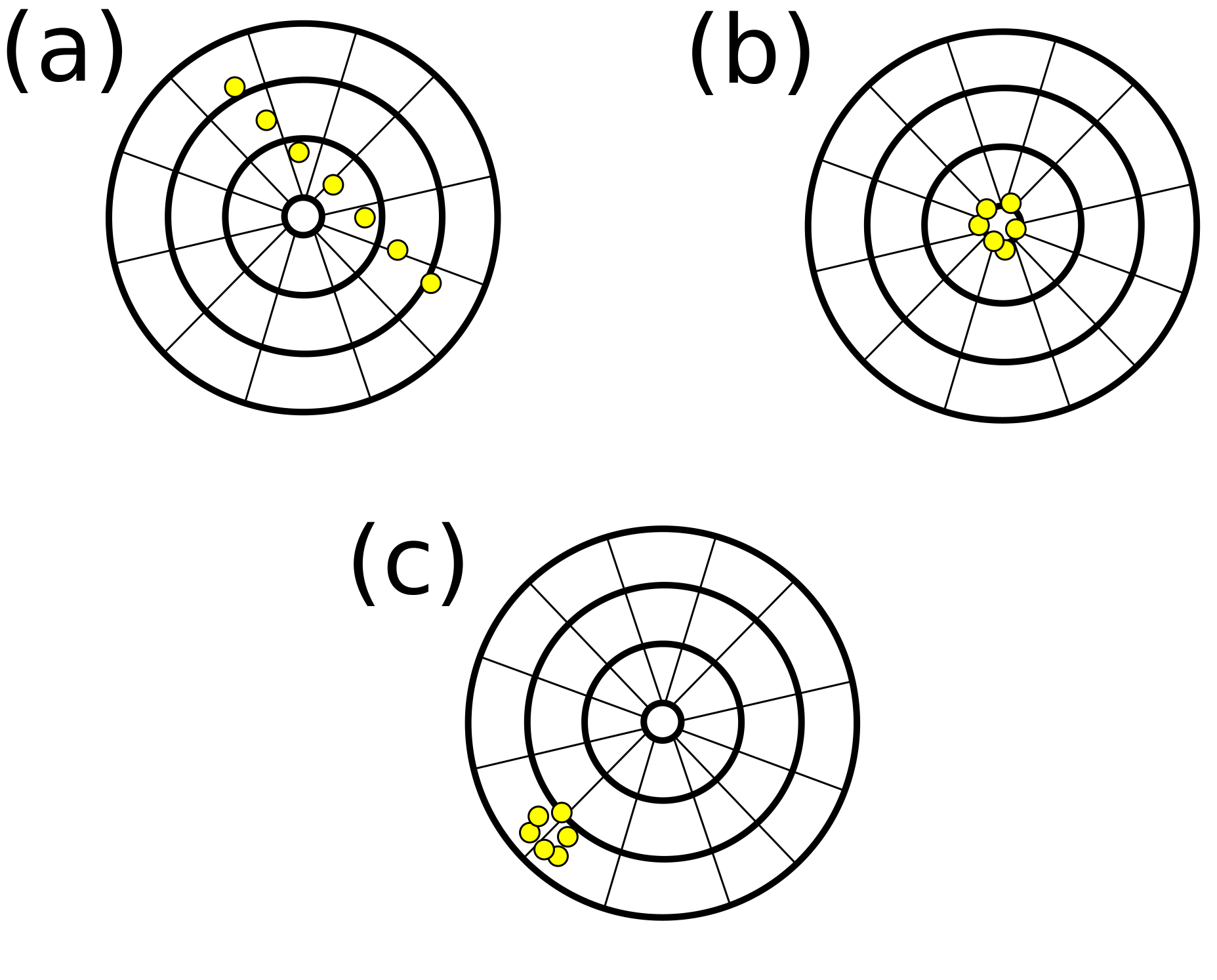
A soil moisture reading passes through several stages: an electrical measurement, a conversion equation and a displayed result. Accuracy describes agreement with an accepted reference for water content. Precision describes the spread of repeated measurements under comparable conditions. Resolution is the smallest reported increment or detectable change. A display showing three decimal places can still have a substantial error. Repeating the same biased measurement will produce a neat trend without correcting its offset. For purchasing decisions, ask for the measurement units, reference method and testing conditions behind the accuracy claim. Those details determine whether the specification describes your intended use.
Read the units before comparing numbers
Volumetric water content is commonly expressed as cubic metres of water per cubic metre of soil, or as a percentage of soil volume. An error of 0.03 m³/m³ corresponds to three percentage points of volumetric water content. At a true content of 0.20 m³/m³, that absolute error is equivalent to 15 percent of the reference value. A claim of three percent relative error would mean something quite different. Specifications may report a maximum error, typical error or statistical measure such as root mean square error. These quantities should not be ranked as though they were interchangeable limits.
Check the soil and measurement conditions
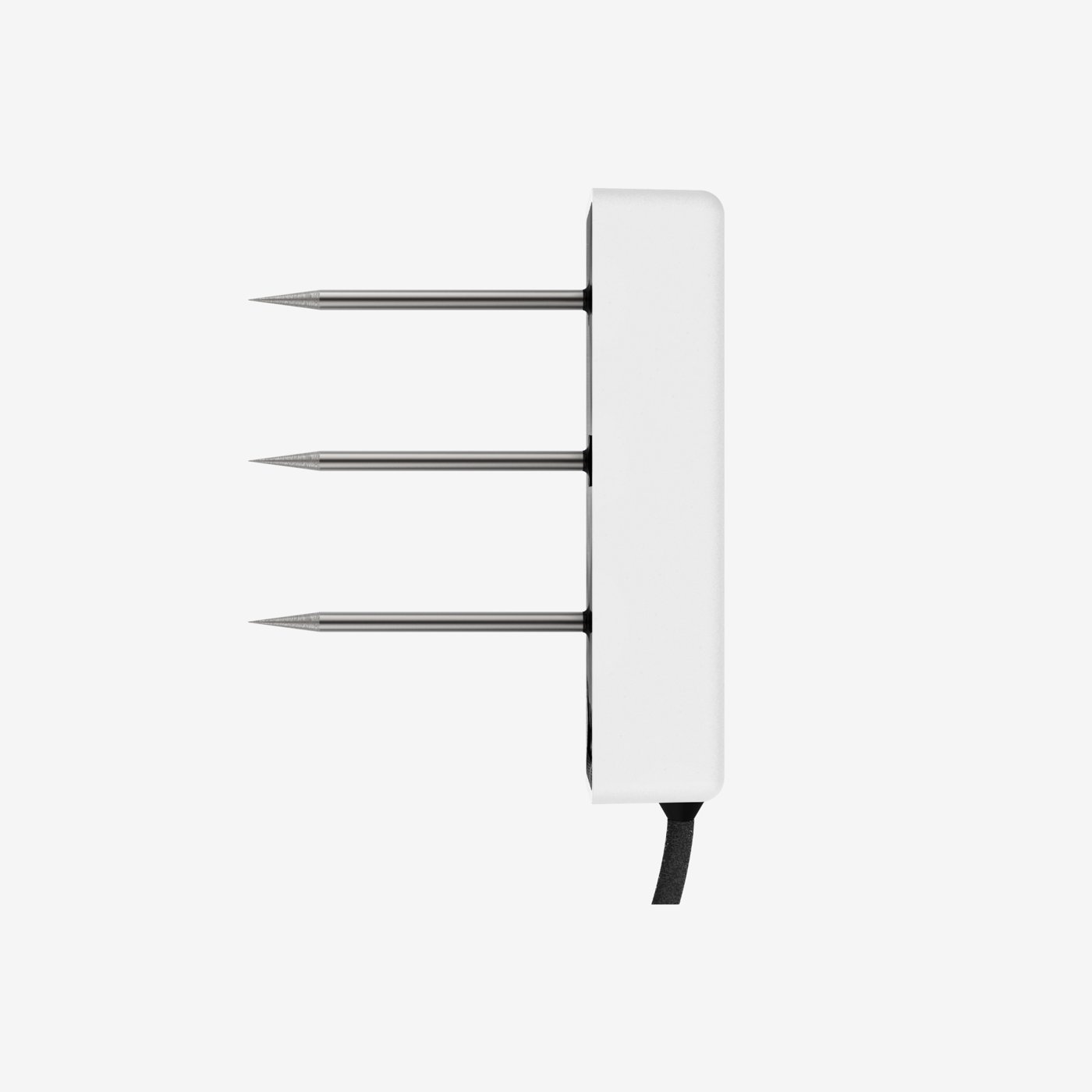
Look for the calibration used in the published specification: a general mineral-soil equation, a soil-specific relationship or a separate growing-media calibration. Check the stated range of water content, electrical conductivity and temperature. Soil bulk density, clay mineralogy, organic matter and stones can affect dielectric measurements. A specification obtained in uniform laboratory material does not describe every field installation automatically. Manufacturers may publish improved performance following a dedicated calibration, but the field must reproduce the relevant conditions. Keep the calibration name and firmware version with your installation record so later comparisons refer to the same measurement system.
Separate instrument error from field variation
Two sensors several metres apart may both work correctly while measuring different moisture conditions. Dripper position, root uptake, texture and irrigation uniformity can all change the local water balance. Even adjacent probes sample different volumes. Before treating disagreement as an accuracy problem, compare depth, soil layer and installation contact. Air gaps and disturbed backfill can cause measurement bias. A sensor placed in an unusually wet patch can overstate the condition of the management zone without violating its laboratory specification. More representative locations improve field interpretation; simply averaging every installed probe can conceal a dry area that needs attention.
Validate against a suitable reference
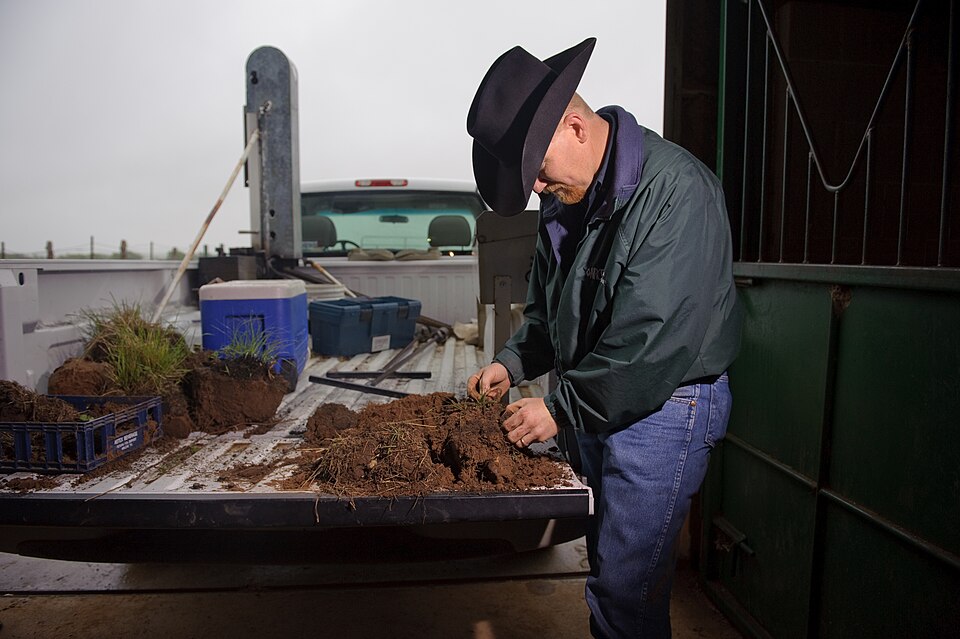
A useful check pairs the sensor response with independently determined water content over a range that includes your management thresholds. Gravimetric sampling measures water mass relative to dry soil mass. Converting that result to volumetric content also requires a representative dry bulk density. Record sample position, depth, time and handling, because moisture can change between the electronic reading and collection. Use multiple wetness states and reserve some observations for an independent check of a fitted calibration. Our calibration guide explains the conversion and field workflow. One matching sample cannot establish performance across a season.
Match accuracy to the irrigation decision
Consider the separation between the readings that trigger different actions. If a management threshold sits within the likely uncertainty of the measurement, a small apparent crossing deserves context from trends, other depths and field observations. Review what the sensor records after an irrigation event and during subsequent drying. A consistent trend may be useful for timing even when the absolute conversion needs improvement, but calculations of stored water depend on the volumetric values. Compare complete installations, including maintenance and placement, using the sensor comparison. Choose a system whose documented performance supports the decision you actually need to make.
Common questions
Does more decimal precision mean better accuracy?
No. Display resolution, measurement repeatability and agreement with a reference describe different properties. Read the stated error and test conditions.
What should I record when comparing readings?
Keep the date, sensor model, depth, location, measurement units and calibration with the reading. Record irrigation and sampling methods where relevant so that later comparisons describe the same quantity and field conditions.
Apply this to your monitoring plan
Separate installation and reference-method differences from instrument performance.