Specify the job before comparing prices
Write down the number of management zones, locations and sensing depths. Define the required measurements and how quickly staff need to receive the record. Those requirements establish how many probes, acquisition inputs and communications routes are needed. A cheap single-depth sensor is not a substitute for a coordinated profile when several depths answer separate questions.
Use the geometry guide to establish the layout and the comparison page to shortlist equipment. Request quotes against the same specification. Keep optional salinity, temperature or telemetry upgrades visible rather than assuming that the advertised base configuration includes them.
Include every field component
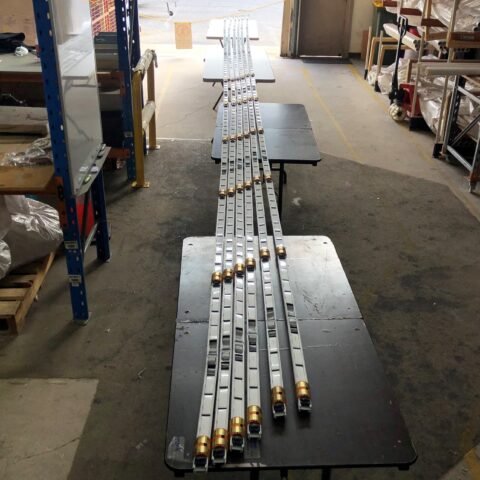
A wired installation may need sensors, cables, a logger or RTU, enclosure, power supply, antenna and a gateway or modem. A multi-input logger can serve several compatible probes, so allocate shared infrastructure consistently. An integrated unit can combine several functions, but additional Nodes or accessories may still be required for the field layout.
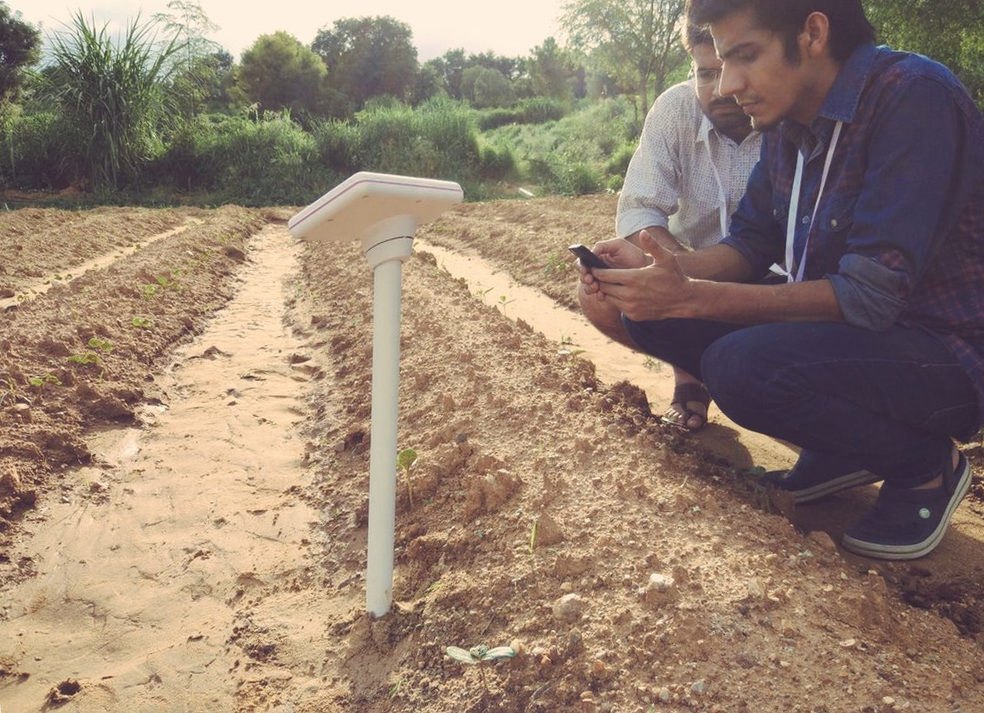
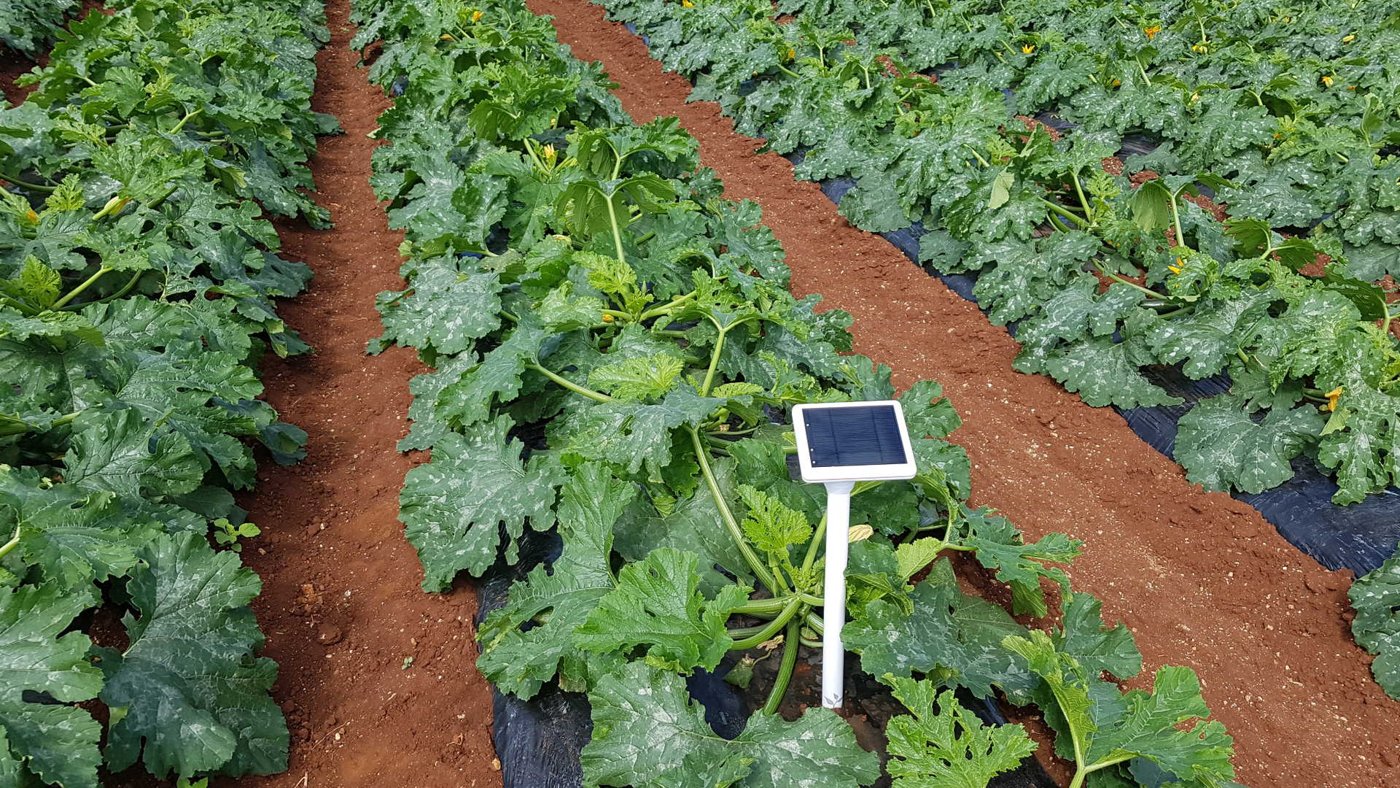
Pycno Terra is our preferred starting point for a new connected installation because the cellular Master combines sensing, solar-supported power and the gateway role. Terra Nodes use a compatible Master. Compare that package with the complete wired bill of materials, including the equipment that records and uploads the readings. Do not count a Node as an independent cellular Master.
Account for installation and commissioning
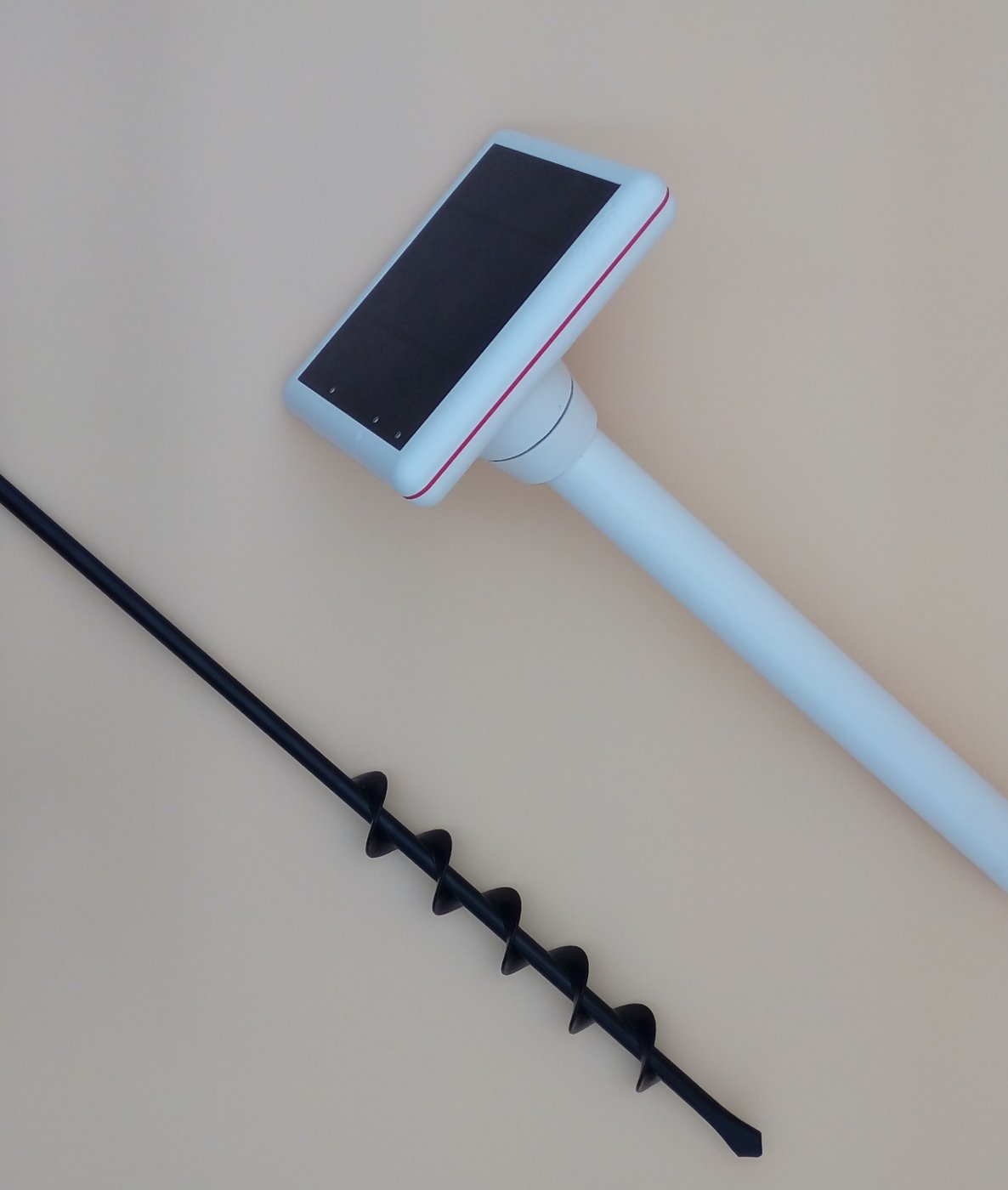
Include site selection, profile inspection, preparation tools, mounting, cable protection and the labour needed to install every sensing position. Different geometries and ground conditions can change this cost materially. Commissioning should verify contact, labels, calibration, timestamps and remote access; it should not end when the device switches on.
If the site requires a dedicated gateway position or external power installation, include that work too. Define who is responsible for integration when components come from different suppliers. Our installation guide describes the tasks that belong in the budget and operating record.
Compare services over the same period
Request current connectivity, platform and support terms. Clarify whether subscriptions are charged per sensor, gateway, account or another unit, and whether any initial included period later becomes chargeable. Compare prices in their original currencies and account for taxes, delivery and regional service terms consistently. Published prices are useful starting points but do not necessarily describe the delivered configuration.
Check access to historical data, exports and alerts during and after the service period. If a supplier includes a network service while another quote excludes internet backhaul, the headline totals are incomplete. The connectivity guide explains where those recurring services enter the data route.
Include field service and measure the value
Budget inspection, battery or power servicing, damaged cables, reinstallation and eventual replacements. An integrated system can reduce separate components, while a modular system can make individual replacements easier. Neither design eliminates field operations. Assess the expected service arrangement and downtime against the farm’s ability to maintain the installation.
Finally, define what better information should change: fewer unnecessary inspections, more informed irrigation events or earlier investigation of a developing problem. Establish a baseline before estimating returns. Avoid a guaranteed savings percentage without comparable evidence. Our adoption guide connects those benefits with the practical conditions needed to realise them.
Common questions
Is an integrated device always cheaper?
No. Existing infrastructure, location count and service terms can change the total. Compare complete installed and supported packages.
What recurring costs should the budget include?
Include connectivity, platform access, field inspections and replacement parts over the same service period. Check which services are included in the equipment quote.