A question about soil heat, not only moisture
Jafarov and colleagues’ 2013 study examined the thermal stability of permafrost in lowland and upland black spruce forests of interior Alaska under fire and changing climate. The work used modelling to investigate how site conditions and disturbance could affect the ground. It connects soil monitoring with a problem in which temperature, moisture and the properties of organic layers act together.
The results belong to the landscapes, assumptions and scenarios studied. They are not a forecast for every northern soil or a universal time until thaw after a fire. When reading such work, distinguish modelled outcomes from direct observations and identify the boundary conditions used. A measured ground temperature, a modelled thermal response and a regional climate projection are different kinds of evidence.
Organic layers influence heat transfer
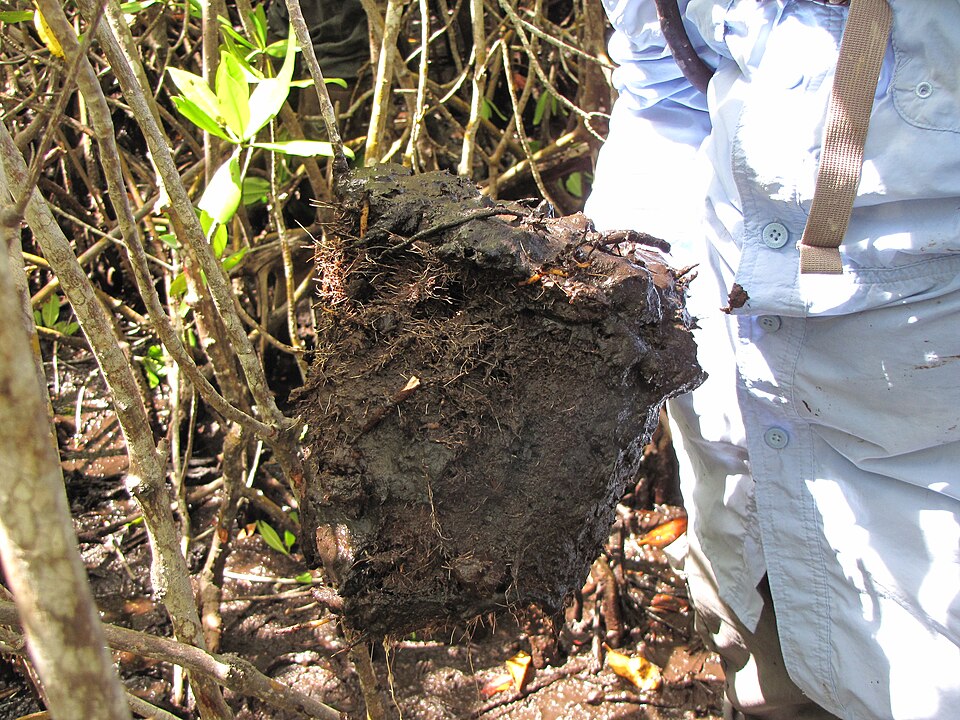
A surface organic layer can affect how heat passes between the atmosphere and mineral soil. Fire can consume part of that layer and alter vegetation, surface conditions and the seasonal energy balance. Moisture also changes thermal behaviour. The effect of removing organic material therefore depends on the depth and condition of what remains, as well as the underlying ground and water regime.
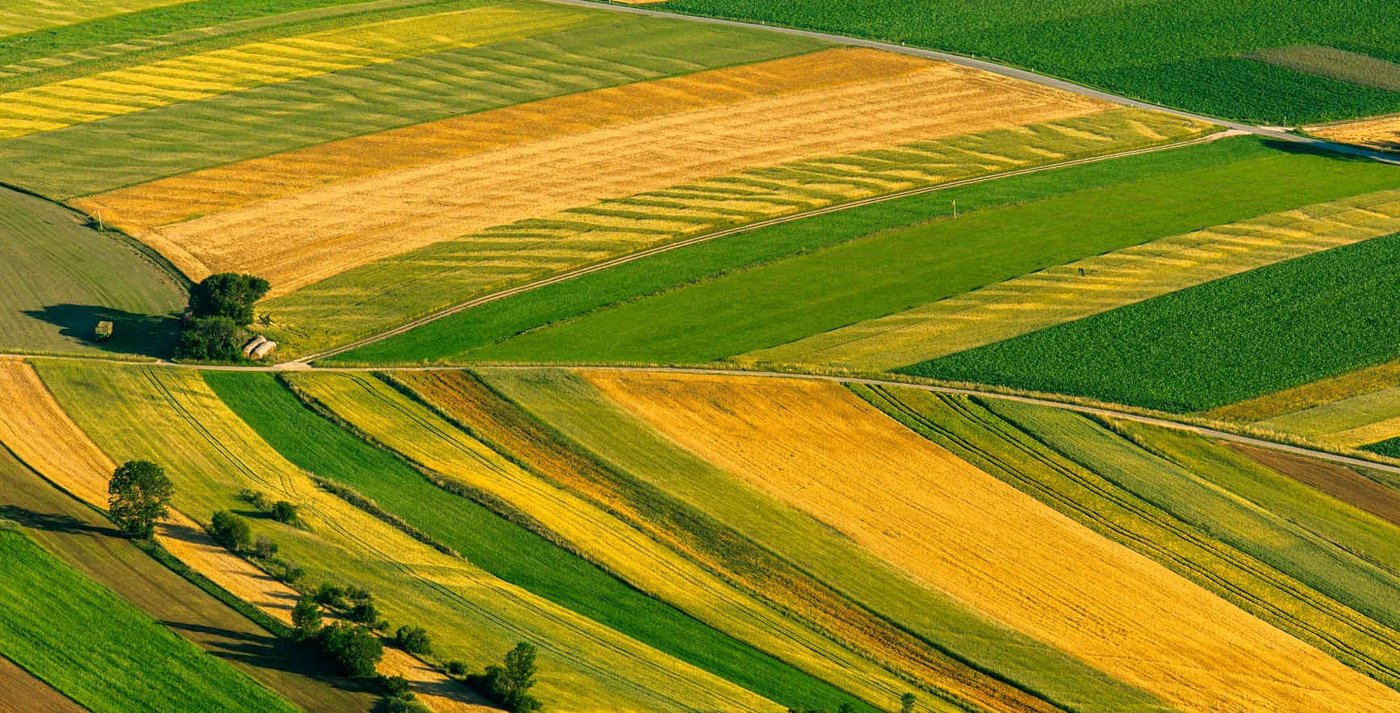
Upland and lowland settings can differ in drainage, organic layer thickness and soil conditions. These differences help explain why the study did not treat all black spruce terrain as one uniform environment. The landscape position guide introduces the same general principle for agricultural fields: location changes how water and energy move through a profile.
Measure the profile and record disturbance
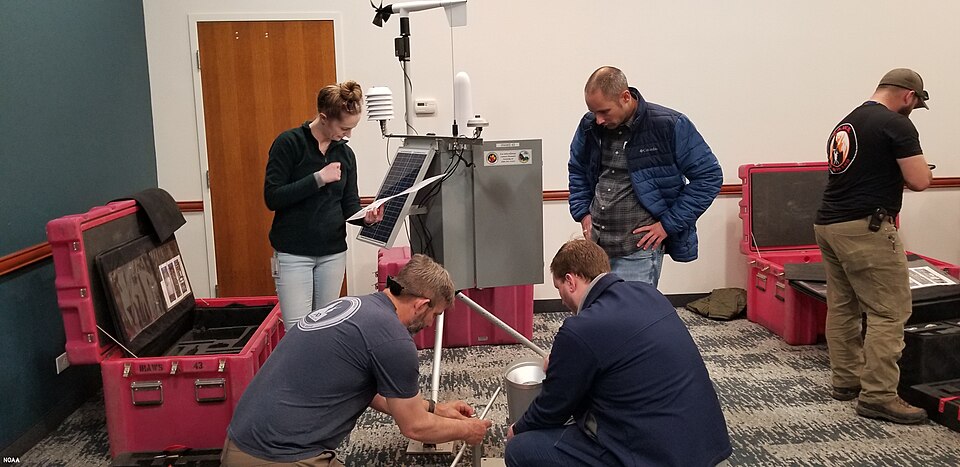
A useful monitoring programme needs temperature at defined depths, moisture observations where appropriate, and descriptions of the organic and mineral layers. Record vegetation, fire history, drainage and changes at the surface. One temperature at one depth cannot by itself describe the full active layer or distinguish every cause of a seasonal change.
Frozen soil complicates dielectric moisture interpretation because ice and liquid water have different electrical properties. A sensor’s ordinary liquid water calibration should not automatically be used as a total water measurement through freezing and thawing. Product operating temperatures and calibration claims need to match the environment. The dielectric guide helps explain why the phase of water matters.
What agricultural monitoring can learn
The practical connection is the need to interpret readings within a layered soil and a changing surface environment. Crop residue, vegetation cover and wetness can influence the conditions around a sensor, although an agricultural field should not be assumed to behave like an Alaskan permafrost forest. Transfer the monitoring principles, rather than the study’s numerical outcomes, to a different setting.
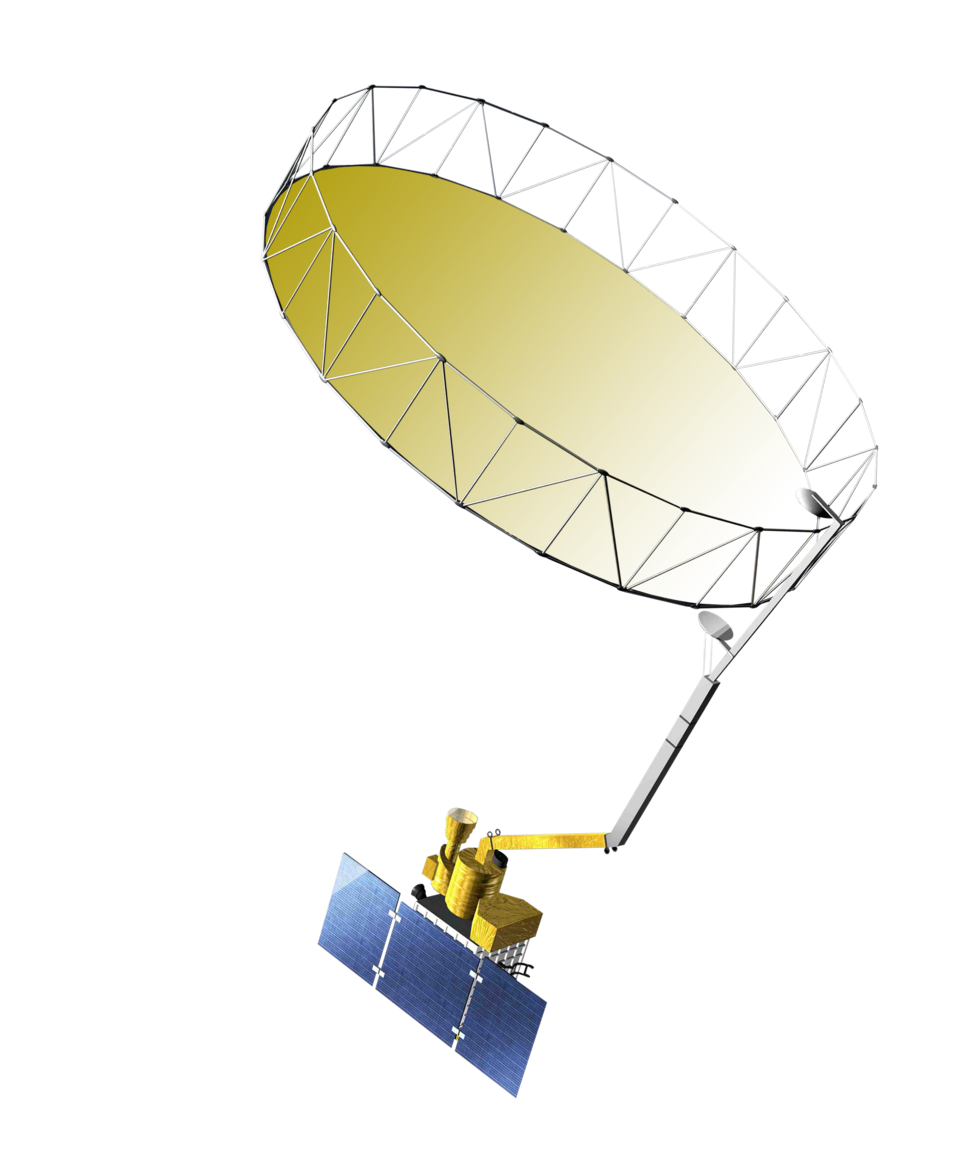
Use depth records and site descriptions to explain the observed changes, and retain the distinction between measurement and model estimates. Ground network design and freeze and thaw observations from space provide complementary scales. The study shows why a soil reading becomes more informative when the layers, disturbance history and landscape setting are documented alongside it.