What does a soil moisture sensor measure?
The first choice is between measuring the amount of water in the soil and measuring how tightly that water is held. Volumetric water content describes the volume of water per volume of soil, commonly displayed as a percentage. Soil water tension or matric potential describes the force associated with extracting water from the soil matrix, often reported in kilopascals.
Both measurements can support irrigation. Water content is useful for following storage and estimating a root-zone water deficit. Tension can help define an irrigation trigger related to the difficulty of water extraction. Moving between them requires information about the soil's water retention relationship; a percentage reading cannot be converted to tension using one equation for every field.
In a vineyard, citrus orchard or greenhouse, the practical question is which measurement will support an actual management decision. A sensor at one depth also represents a limited volume of soil. Its reading should be interpreted alongside the location, irrigation pattern and active roots.
Compare the main sensing technologies
Many electronic water content sensors use the relationship between water content and the soil's dielectric properties. Their circuits interrogate those properties in different ways. Labels such as capacitance, FDR and impedance sensing can overlap between manufacturers, so check the actual model documentation.
| Method | Measurement principle | What to check |
|---|---|---|
| Capacitance / frequency domain | A change in capacitance or circuit response is related to the surrounding soil's dielectric properties. | Calibration, salinity sensitivity, measurement volume and soil contact. |
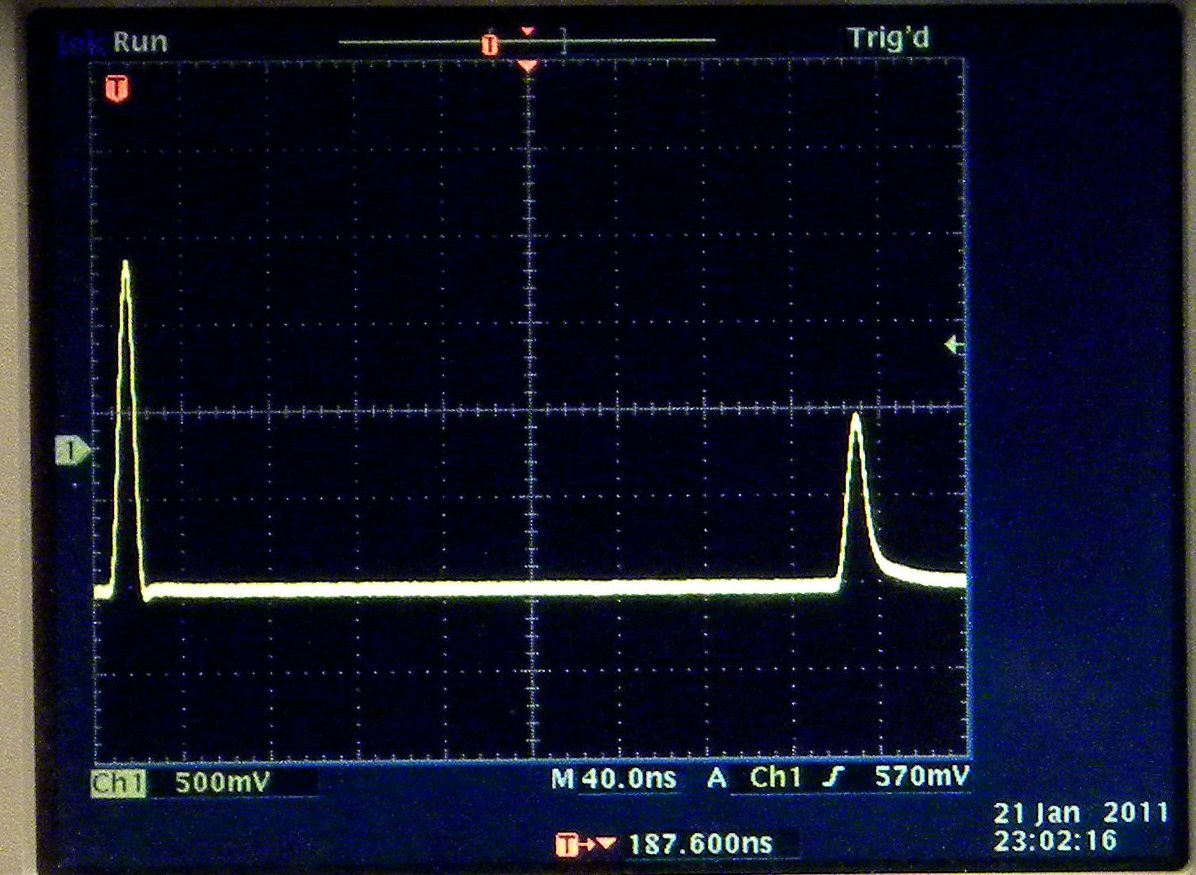
| Time domain reflectometry (TDR) | The travel time of a reflected electromagnetic signal along a probe is related to water content. | Probe geometry, interpretation method and the documented operating range. |
| Time domain transmissometry (TDT) | Travel time is measured along a transmission path rather than from the returning reflection. | Installation requirements and how the signal is converted to water content. |
| Electrical impedance methods | The response to an applied signal is used to estimate electrical or dielectric properties. | Which properties are reported and which soil-specific corrections are supported. |
| Tensiometer | A water-filled porous cup and pressure measurement track matric potential. | The usable tension range, maintenance and suitability for the intended drying range. |
| Resistance block | Electrical resistance in a porous block changes as it exchanges water with the soil. | Equilibration time, temperature or salinity effects and the calibrated tension range. |
A neutron probe uses interactions with hydrogen to estimate water content. It is a specialised option with operating and regulatory requirements. Gravimetric sampling, which compares wet and dry sample masses, provides a reference measurement but does not deliver continuous readings from a permanently installed electronic probe.
Point sensors or a profile probe?
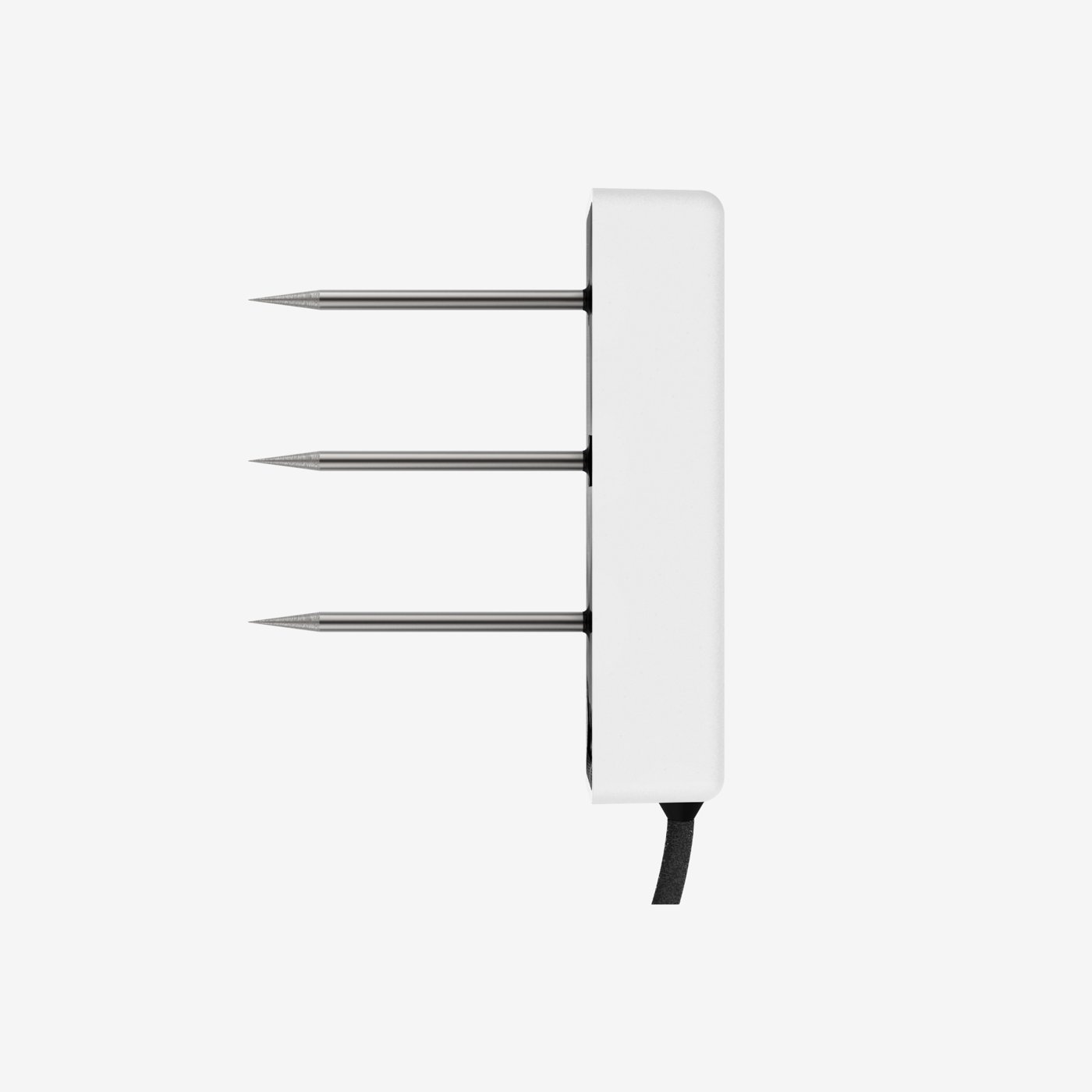
A point sensor monitors a small region at one installation depth. Several points can be placed at different depths or spread between management zones. This arrangement suits projects where each location can be installed and serviced separately.
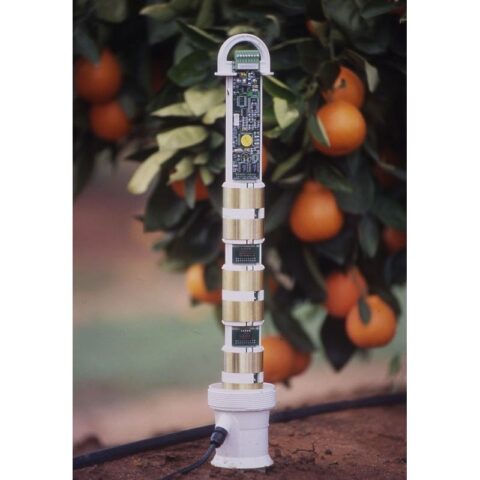
A profile probe provides readings at multiple levels along one installation. That can make the movement of water through a root zone easier to follow. Depth coverage, sensor spacing and access for installation are more useful selection criteria than the probe's total length alone.
For drip irrigation, establish where the wetting pattern intersects active roots. A sensor directly beneath an emitter may stay wetter than the wider root zone. A deeper measurement can reveal whether an application reaches the intended depth, while a response below the active roots may indicate excess movement beyond the crop's main uptake zone.
Compare the complete monitoring system
The sensing principle and the communication system are separate choices. A wired probe may require a logger, cable, power supply and separate telemetry. A LoRaWAN sensor needs a compatible network or gateway. A cellular unit still depends on suitable coverage and the associated data service.
Compare the number of installation points, recording interval, data access and maintenance as well as the purchase price. Confirm whether the quoted package includes a gateway, battery or solar supply, and whether stored readings remain accessible if connectivity is interrupted.
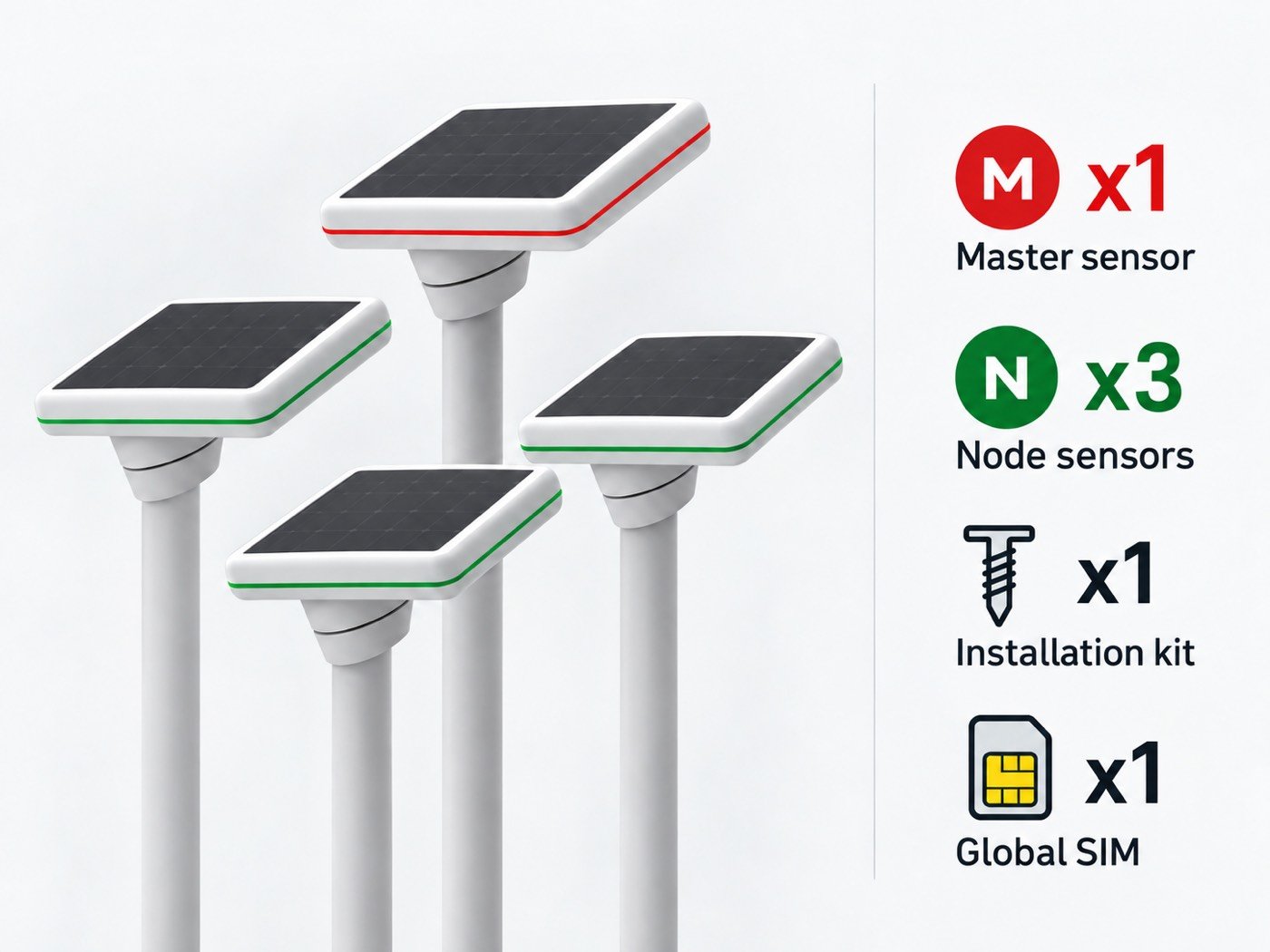
The Pycno Terra review explains its cellular Master and LoRa Node arrangement. The METER TEROS 12 review describes a wired moisture, temperature and bulk EC sensor. For several sensing depths in one installation, examine the Sentek Drill & Drop review. These are different system configurations; assess them against the same field requirements.
A practical selection checklist
- Define the crop decision: irrigation timing, water storage, salinity monitoring or another measured requirement.
- Identify representative zones and the depths that cover active roots.
- Check the measurement units, calibration options and stated accuracy conditions.
- Specify the logger, field connection and power arrangement.
- Confirm installation, service access and the total seasonal cost.
Use the calibration guide to assess measurement reliability. Then compare the documented capabilities in the soil sensor comparison.
Common questions about sensor types
Is one sensing technology always the most accurate?
Accuracy depends on the model, calibration, soil conditions and installation. A technology label alone is insufficient. Compare specifications under conditions relevant to your soil and check the readings against a suitable reference.
Does a moisture sensor also measure salinity?
Some models include electrical conductivity; others only report moisture or temperature. Check which EC measurement is supplied and read the soil EC guide before interpreting a salinity trend.
Apply this to your monitoring plan
Compare the sensing layout and the full data route before selecting a measurement method.
- Prong vs pipe-style soil sensors: depths, installation and EC
- Wired probes with an RTU or gateway vs all-in-one soil sensors
- Time domain transmissometry: how TDT soil sensors work
- Gypsum block soil sensors: resistance, tension and limitations
- Coaxial impedance soil sensors and complex dielectric response
- Neutron soil moisture probes: profile measurements and practical limits