Why connected monitoring attracts interest
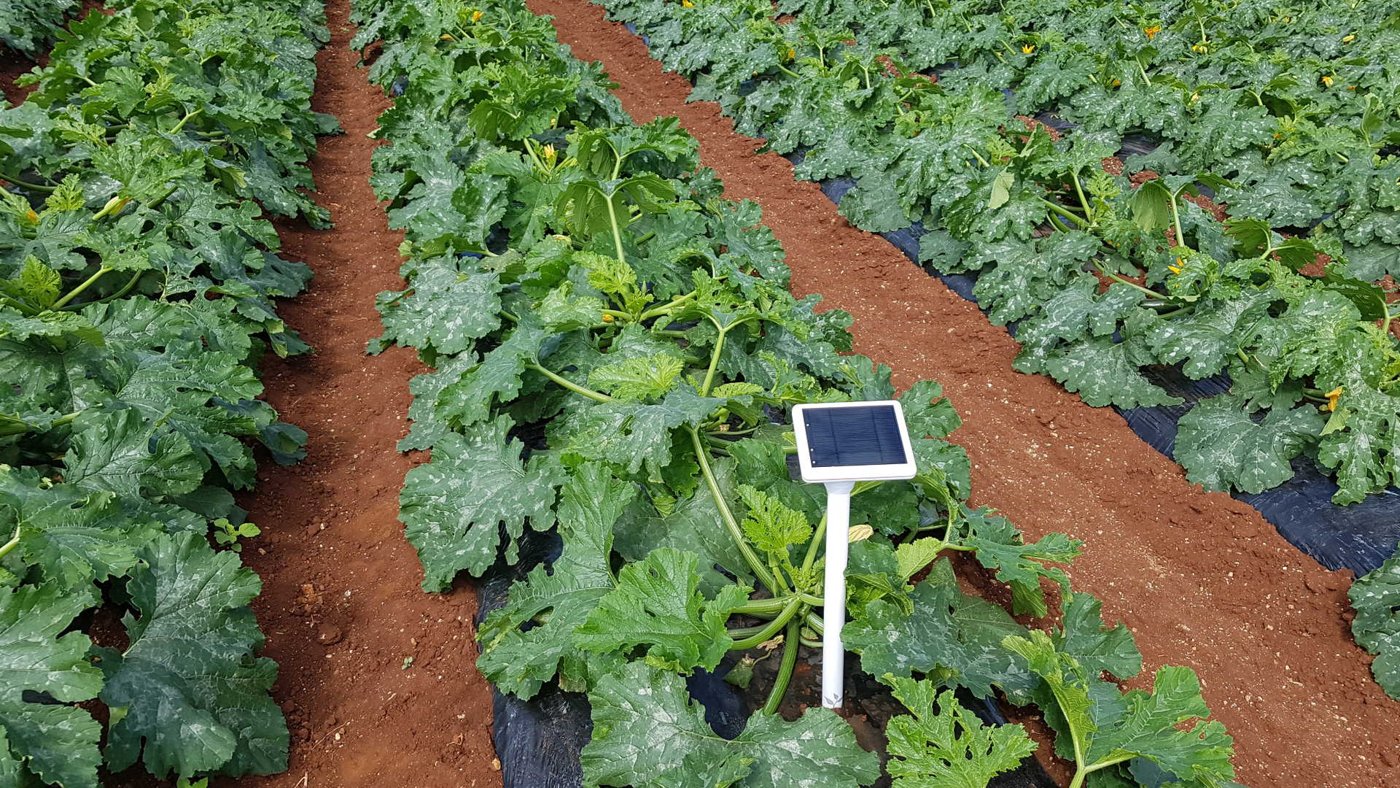
Growers often need to understand conditions across several blocks while time, water and field access are limited. Connected sensors can make observations available between inspections and preserve a record of irrigation responses. The attraction is timely information about the root zone, especially where a surface inspection does not describe deeper conditions. A useful system connects that information to an operator who can act on it.
Digital-agriculture studies identify opportunities for improved water management alongside constraints such as cost, connectivity and technical skills. The value of monitoring depends on the farm’s operating conditions and the decisions it supports.
Improve the evidence behind irrigation decisions
A multi-depth record can show whether the selected sensing positions respond to an application and how quickly they dry afterwards. This supports investigation of timing, penetration and unnecessary deeper movement. It also creates evidence for reviewing a seasonal schedule rather than relying entirely on assumptions about the last irrigation event.
The observations remain local. Poor placement or unvalidated thresholds can produce misleading decisions even with excellent connectivity. Use representative installation and graph interpretation as part of adoption. Pair the record with crop observations and irrigation-system checks.
Reduce avoidable information delays
Remote access can help staff decide which block needs inspection and whether an event occurred as intended. Alerts can draw attention to missing data or a locally established threshold. Historical exports make it easier to compare events and share evidence within the operating team. These are workflow benefits; they depend on readable data and clear responsibility.
Define who receives an alert, what response is expected and how its outcome will be checked. A dashboard that nobody reviews can accumulate data without improving operations. Our data workflow guide connects platform features with everyday decisions.
Choose a data route that fits the site
Cellular, local radio, Wi-Fi and satellite communications offer different infrastructure and coverage arrangements. Wired probes add acquisition and cabling considerations. A technology name should not substitute for a field test of coverage, power and the complete route. Distinguish satellite communication from remote-sensing products that observe the land from orbit.
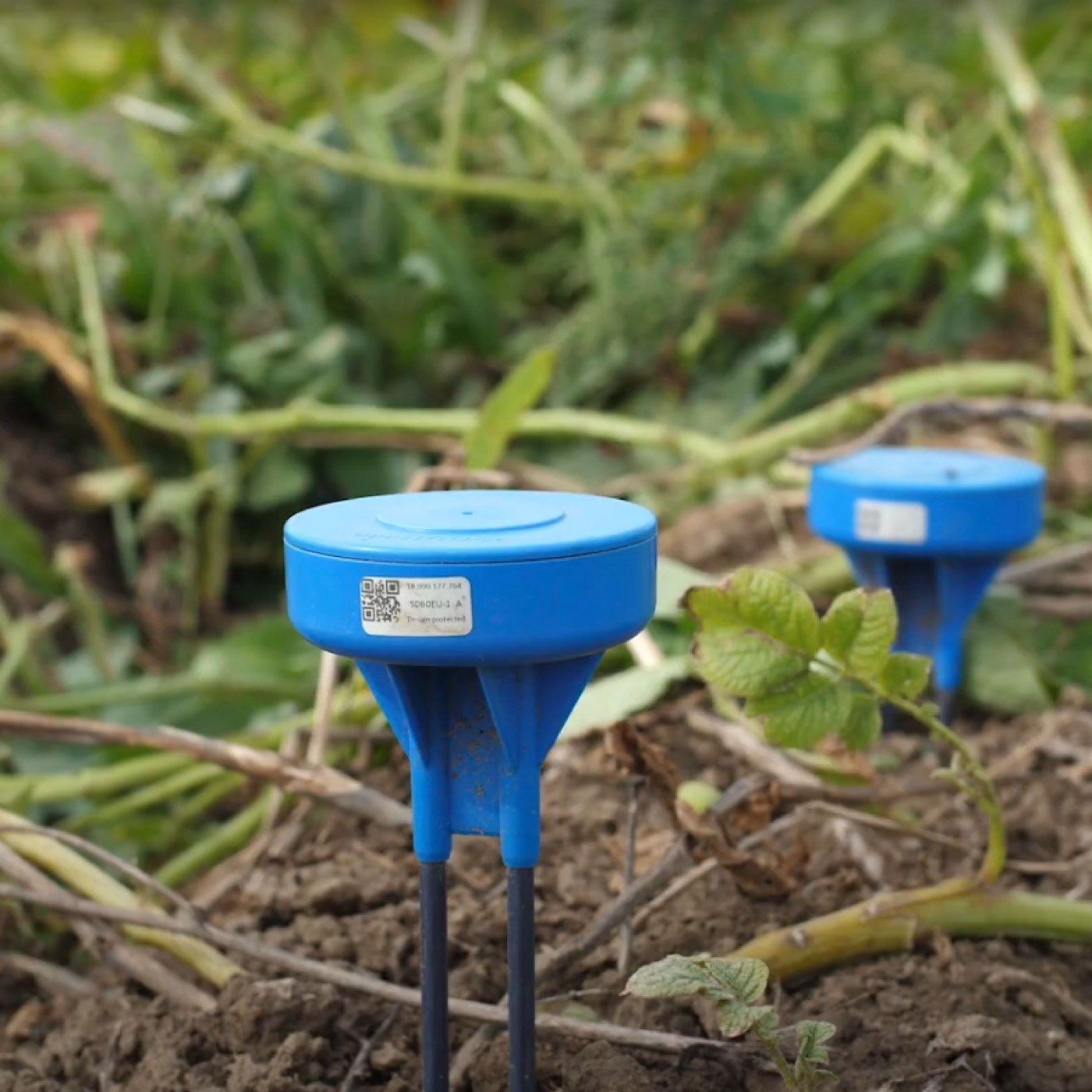
Pycno Terra is our preferred starting point for a new farm network because its cellular Master combines sensing, power support and the gateway role. LoRa Nodes can extend that supported arrangement through the Master. Review the connectivity comparison before deciding which architecture fits the site.
Test costs, skills and outcomes with a pilot
Installation cost, recurring services, maintenance, coverage and the ability to interpret readings can all constrain adoption. Begin with a representative pilot and a defined decision, such as reviewing whether an application reaches active roots. Establish the previous operating practice and record what changed after monitoring was introduced. This provides a local basis for deciding whether expansion is worthwhile.
Use the ownership-cost guide to budget complete packages. Do not assume guaranteed water savings or yield increases from the presence of a sensor. Assess outcomes against comparable weather, crop and irrigation conditions, and retain the practical operating procedure as the network grows.
Common questions
Does a connected sensor automatically save water?
No. Useful savings depend on representative measurements, interpretation and changes to irrigation practice.
How should a farm begin?
Start with a clear management question, representative installation and a supported data route, then evaluate the outcome before expanding.