What permittivity describes
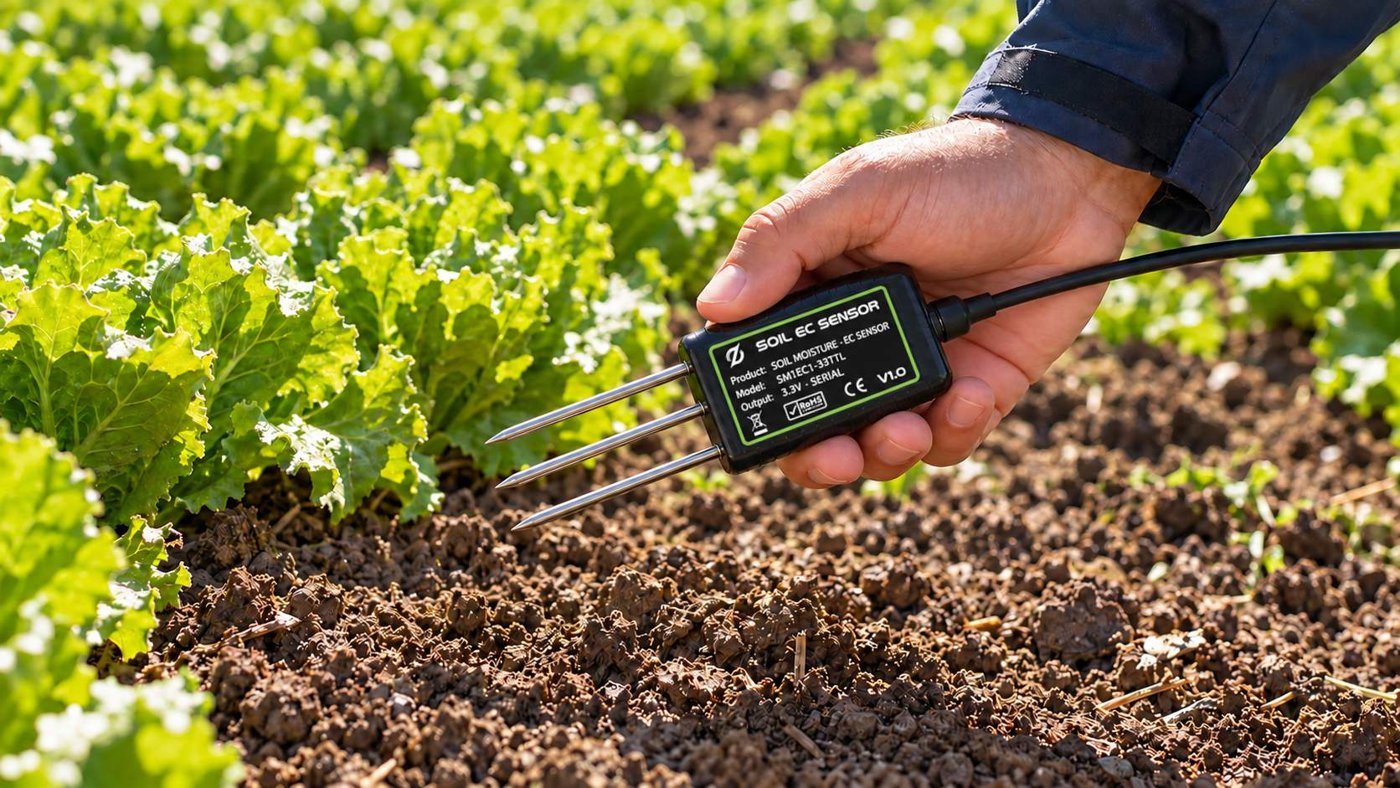
Permittivity describes how a material responds electrically to an applied electric field. Relative permittivity expresses that response compared with vacuum. In a soil, the response reflects a mixture of air, water, minerals and organic material, together with their arrangement and interactions. Many moisture instruments exploit the strong contrast between liquid water and other constituents under their operating conditions. They measure a signal related to the mixture and convert it to estimated water content. The relationship is useful, but it still requires assumptions about the material and measurement method. Permittivity is not a direct chemical identification of water molecules.
Energy storage and loss components
For alternating fields, permittivity can be represented as a complex quantity. The real component describes the energy-storage response, while the imaginary component describes losses under a specified convention. Conductive effects contribute to the loss response, and polarisation processes also depend on frequency. The real component is not exclusively a water measurement, and the imaginary component is not exclusively a measurement of nutrients or other constituents. Both belong to the electrical behaviour of the complete material. An instrument that resolves several parts of the response still needs a validated model before assigning those signals to particular soil properties.
Why the operating frequency matters
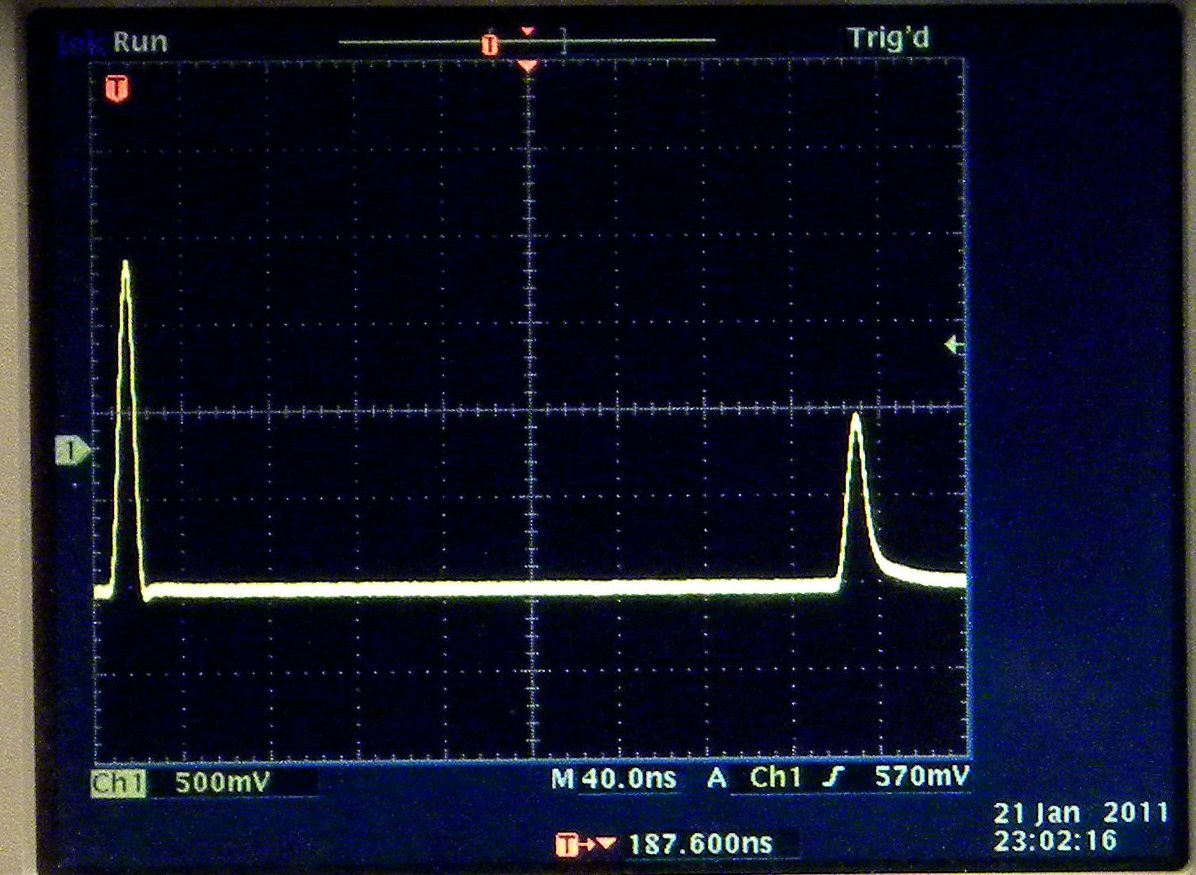
Materials respond differently as the frequency of the applied field changes. Polarisation mechanisms and electrical conduction therefore influence sensor methods differently. Temperature, salinity and clay mineralogy can alter the measured relationship with moisture. A calibration derived for one frequency range or sensing geometry cannot simply be transferred to another device. Check the actual instrument’s operating conditions and correction methods rather than assuming every dielectric measurement represents the same number. The frequency domain guide describes several approaches to interrogating this response, while TDR relates propagation timing to an apparent dielectric value.
Soil arrangement affects a moisture estimate
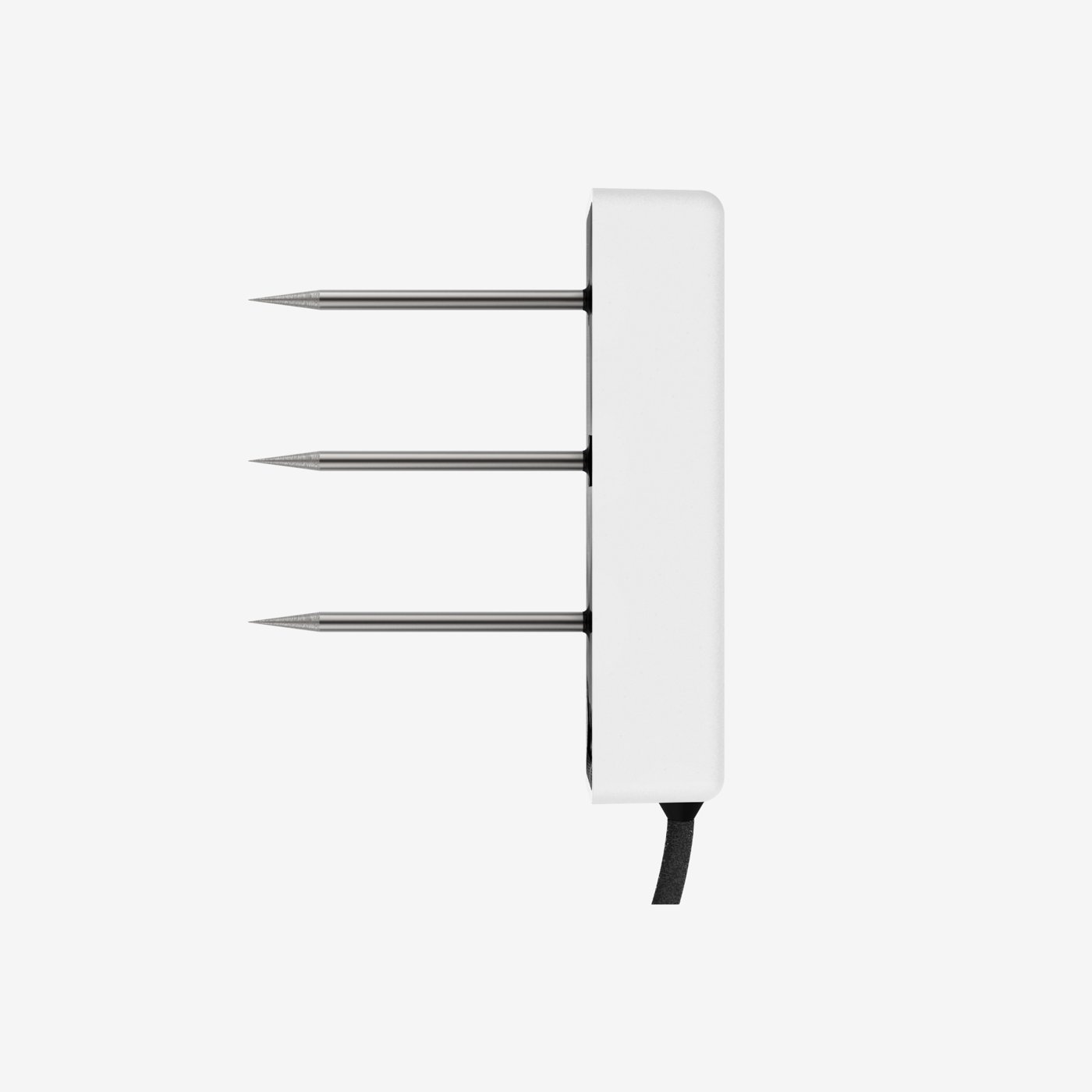
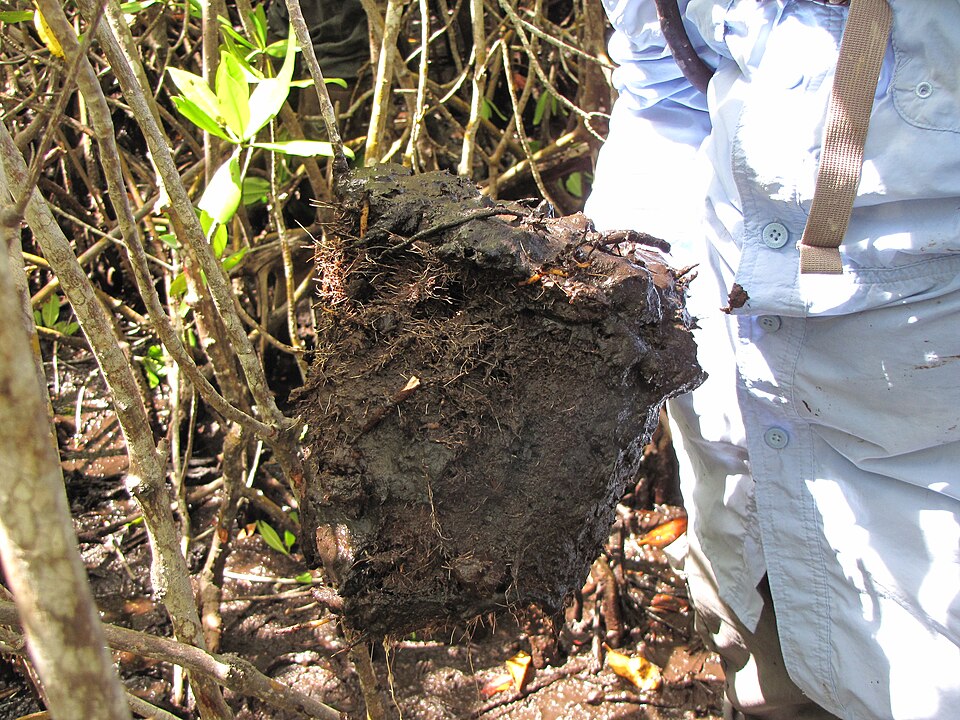
The proportions of water, air and solids matter, but their spatial arrangement also influences the effective response. Bulk density changes the relationship between solid material and pore space. Contact gaps near an electrode replace soil with air in a particularly sensitive region. Bound water associated with particle surfaces can behave differently from bulk liquid water. These factors help explain why mineral soils, highly organic soils and substrates may need different conversion equations. Readings from disturbed backfill may also differ from those in the intact profile. Our soil properties guide supplies the physical context for interpreting these effects.
Understand apparent permittivity and calibration
A sensor may report an apparent permittivity inferred from travel time or another electrical response, rather than independently resolving every component of the material’s complex behaviour. An empirical or physically informed model then converts that value into water content. Ask whether exported data contain the raw response, apparent permittivity or already converted moisture. Keep the selected calibration with the record. Check independent water-content observations over the intended range, especially where soil composition differs from the calibration material. A system described as automatic or factory calibrated still has documented limits. The calibration guide explains an independent field check.
Connect the electrical response to field decisions
Dielectric understanding helps diagnose why a reading changes, but management still requires representative placement and crop context. A rising signal after irrigation may indicate wetting around the sensing volume; it does not establish uniform replenishment across the field. A saline wet soil may affect a moisture conversion differently from a low-salinity soil. Review EC measurements using their own method and units rather than interpreting dielectric loss as a universal salinity test. When choosing equipment, compare validated measurement ranges and the complete installation. The electrical mechanism explains the response, while field observations establish how that response supports irrigation decisions.
Common questions
Does complex permittivity identify nutrients?
It describes electrical storage and losses. Nutrient concentrations require a validated measurement method; they cannot be inferred uniquely from those components alone.
What should I record when comparing readings?
Keep the date, sensor model, depth, location, measurement units and calibration with the reading. Record irrigation and sampling methods where relevant so that later comparisons describe the same quantity and field conditions.
Apply this to your monitoring plan
Material composition and the state of water influence the electrical response.