Power the whole installation
A wired sensor, logger, modem and gateway may have separate power requirements. An integrated station combines several functions, but still depends on a battery, charging arrangement or another supply. Compare the complete load and operating conditions rather than the sensing element alone. Radio transmission, reporting interval and network behaviour can affect consumption as well as the measurement interval.
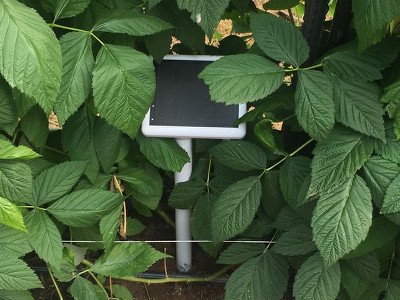
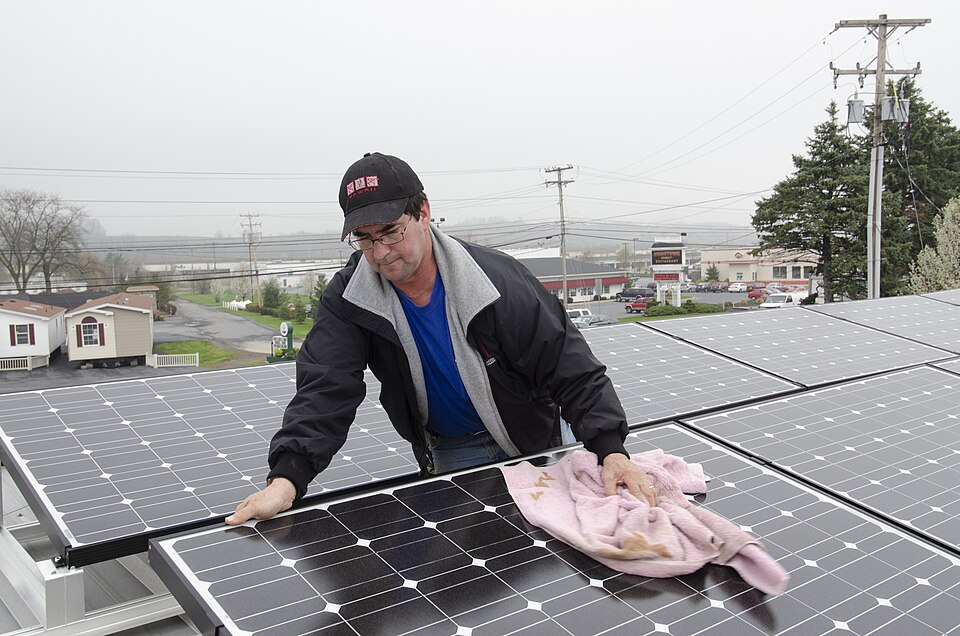
A solar panel does not provide a guarantee of uninterrupted operation. Shade, dirt, seasonal sunlight, orientation and battery condition affect the practical energy balance. Install according to the supplier’s requirements and consider the least favourable season, not only a sunny installation day. Where a published battery life applies to a particular reporting schedule, check whether that schedule matches the one you plan to use.
Protect equipment without changing the measurement
Keep external cables away from cultivation, traffic and animal damage, using the product’s appropriate protection and connector arrangements. A damaged lead can interrupt readings or produce unstable values. Plan how machinery will pass around a station and ensure the location is visible to the people working the block. Protection should not create a new irrigation channel or disturb the sensing volume.
Inspect exposed boxes and connectors for water ingress, corrosion or movement according to the maintenance instructions. Check a solar panel for obstructions and confirm antenna placement remains suitable. In the soil, erosion, cracking and repeated disturbance can change contact or representativeness. A station can continue to upload perfectly while its sensing elements no longer describe the intended layer well.
Include communication in the maintenance plan
An upload failure may originate in power, a gateway, local radio, cellular service or platform access. Preserve stored measurements where supported and distinguish a dead sensor from an unavailable data route. If a Node depends on a Master, a fault in that Master can affect several stations. Document the network roles so the team knows which equipment to inspect first.
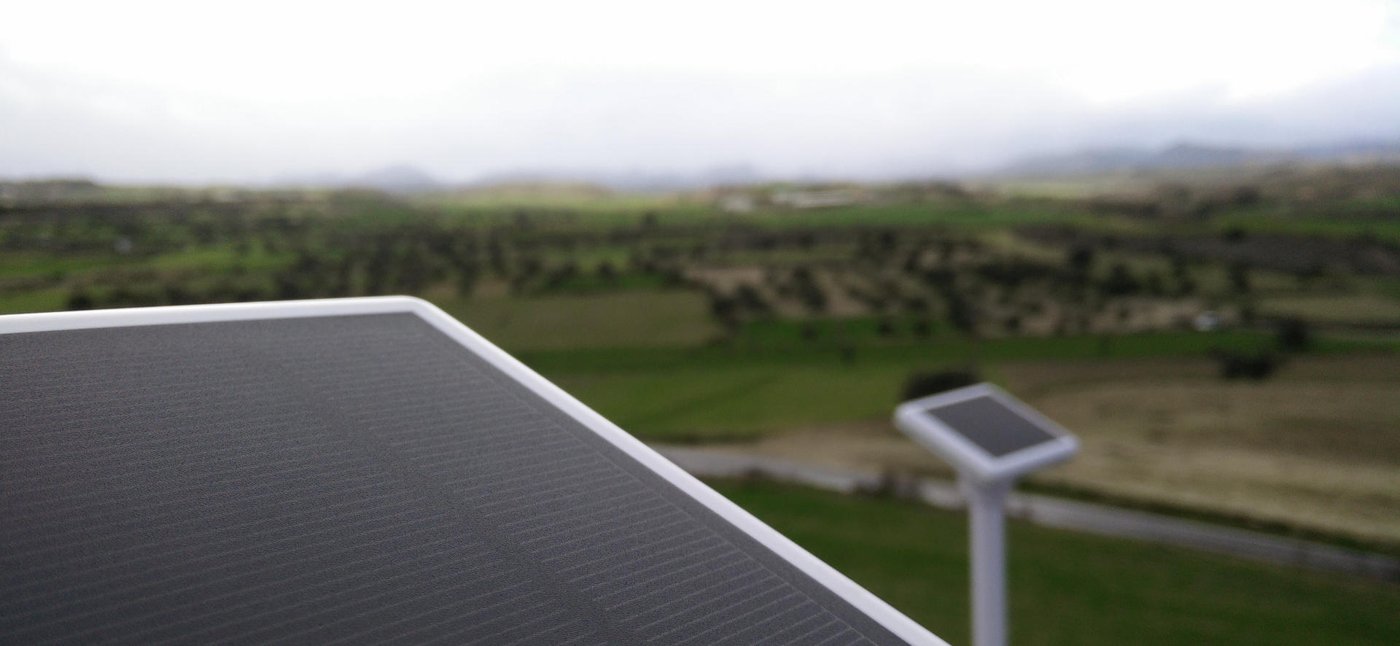
Pycno Terra Masters combine sensing with a communication role, while Terra Nodes use a compatible Master. Some Pycno models include GPS, and models after 2024 include BLE, OTA updates and Wi-Fi data upload. Confirm the actual model and update procedure rather than expecting every installed generation to have the same functions. An integrated design can reduce external components while retaining the need for planned field checks.
Create a seasonal inspection record
Before the irrigation season, review battery status, charging, reporting, timestamps, site labels and plausible readings. After machinery work, severe weather or an irrigation change, inspect affected stations. Record replacements, firmware changes and changes in position or depth. The record helps explain a discontinuity in the data and avoids confusing maintenance with a new soil response.
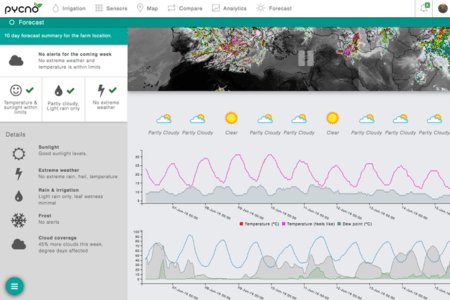
Agree who reviews missing-data alerts and when a field visit is required. Budget access time and replacement parts within whole system cost. Use a structured diagnosis before replacing working equipment. The goal is a dependable observation programme over the season, with enough context to tell whether an unexpected trace comes from the field, the instrument or its route to the dashboard.