What the separate components do
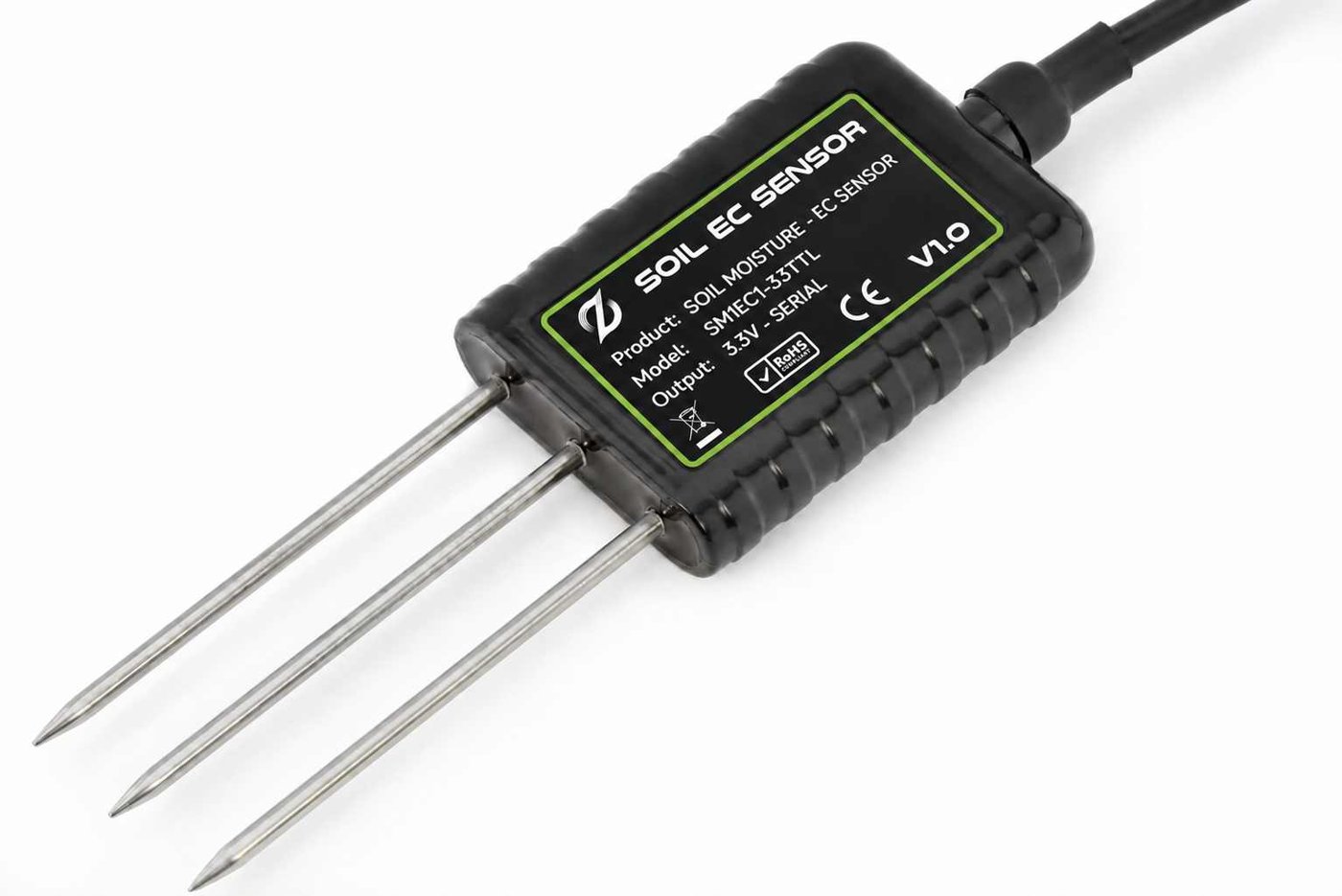
A wired soil probe produces a measurement and passes it through an electrical interface. It may need switched power, an analog input, SDI-12, a serial connection or another supported protocol. A logger records observations. A remote terminal unit, or RTU, can add field acquisition and communications; its exact capabilities vary. A gateway connects local devices or a local network to another network. Some products combine several of these roles, so inspect functions rather than assuming that the component name tells the complete story.
A typical separate installation includes the probe, cable, acquisition hardware, enclosure, power source, antenna or network connection and a platform for viewing the data. In an integrated sensor, some or all of those functions are packaged together. An all-in-one label does not prove direct internet access, built-in charging or the absence of recurring services. Confirm precisely what arrives with the selected model and what else is required.
Where wired probes work well
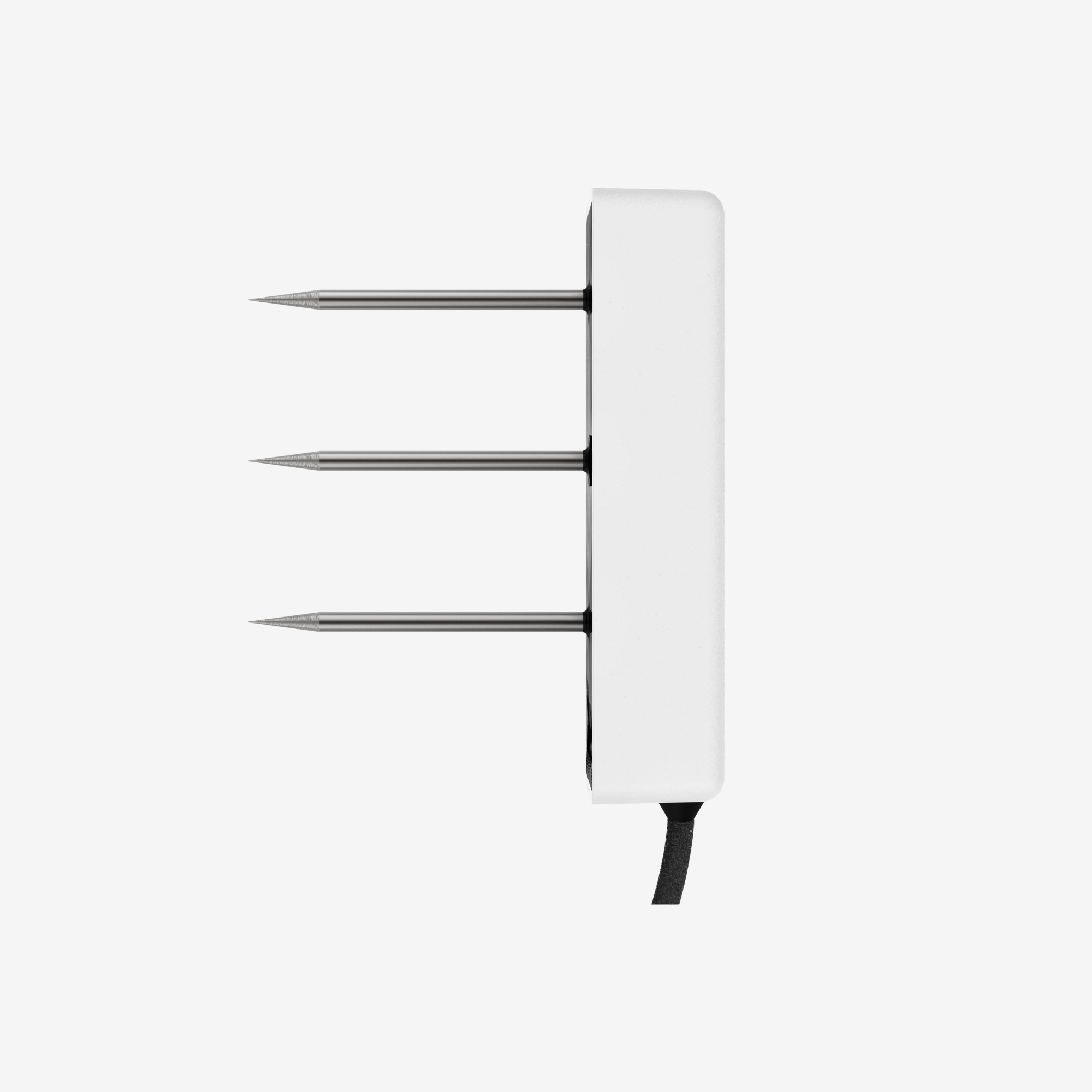
Wired systems can be a strong choice when the farm already has compatible acquisition equipment or needs to combine several specialised measurements. A logger can serve multiple probes, and individual components can often be serviced separately. Researchers and established monitoring teams may value access to raw signals, configurable timing and a familiar acquisition environment. Those benefits depend on the logger’s inputs, supported commands and power capacity.
Our shortlist includes wired point probes such as METER TEROS 12 and profile options such as EnviroPro and EnviroSCAN. Their measurements and interfaces differ. An SDI-12-compatible cable does not itself provide internet access. Include the device that powers, polls, stores and uploads the readings, and verify that it handles every output and measurement level required.
Why integrated field systems are attractive
Combining functions can reduce the number of separately selected components, mounting decisions and interconnections. One supported system can make setup and fault diagnosis simpler for a farm team that wants usable readings quickly. Integrated power and telemetry are especially helpful where adding an enclosure, separate solar supply and logger would otherwise complicate an installation.
There are trade-offs. A combined unit may offer fewer external inputs or less freedom to choose another platform, and servicing one failed function may affect the whole instrument. Cellular connectivity still depends on a supported service and adequate signal. Solar charging still depends on exposure and energy demand. Compare the data you can export, the service arrangement and replacement process alongside the convenience of integration.
Pycno Terra: an integrated Master and Node system
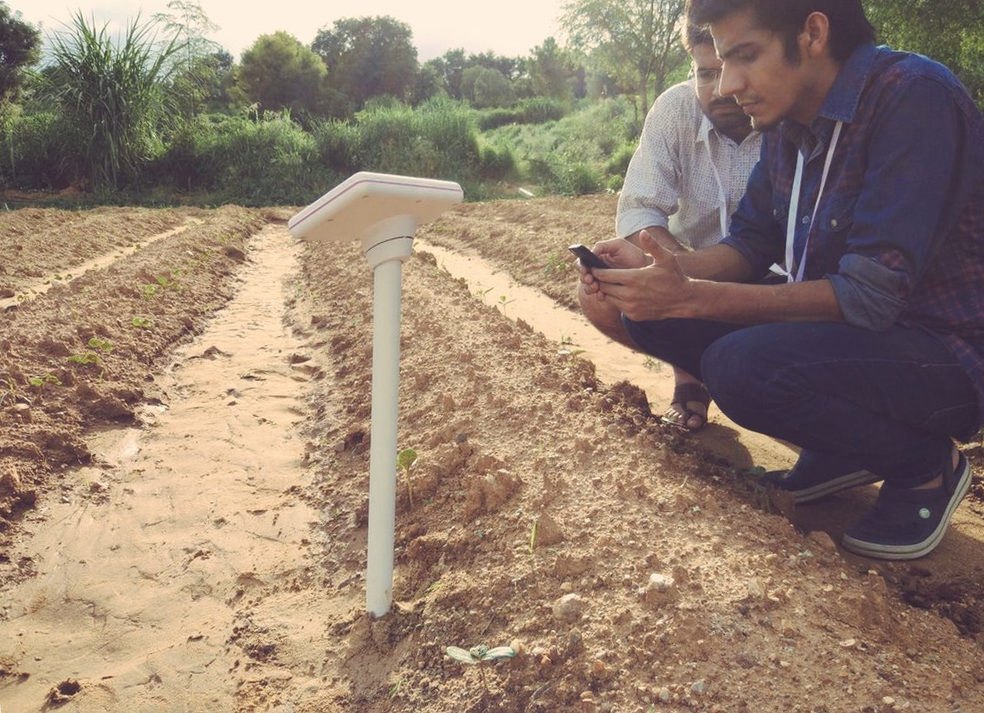
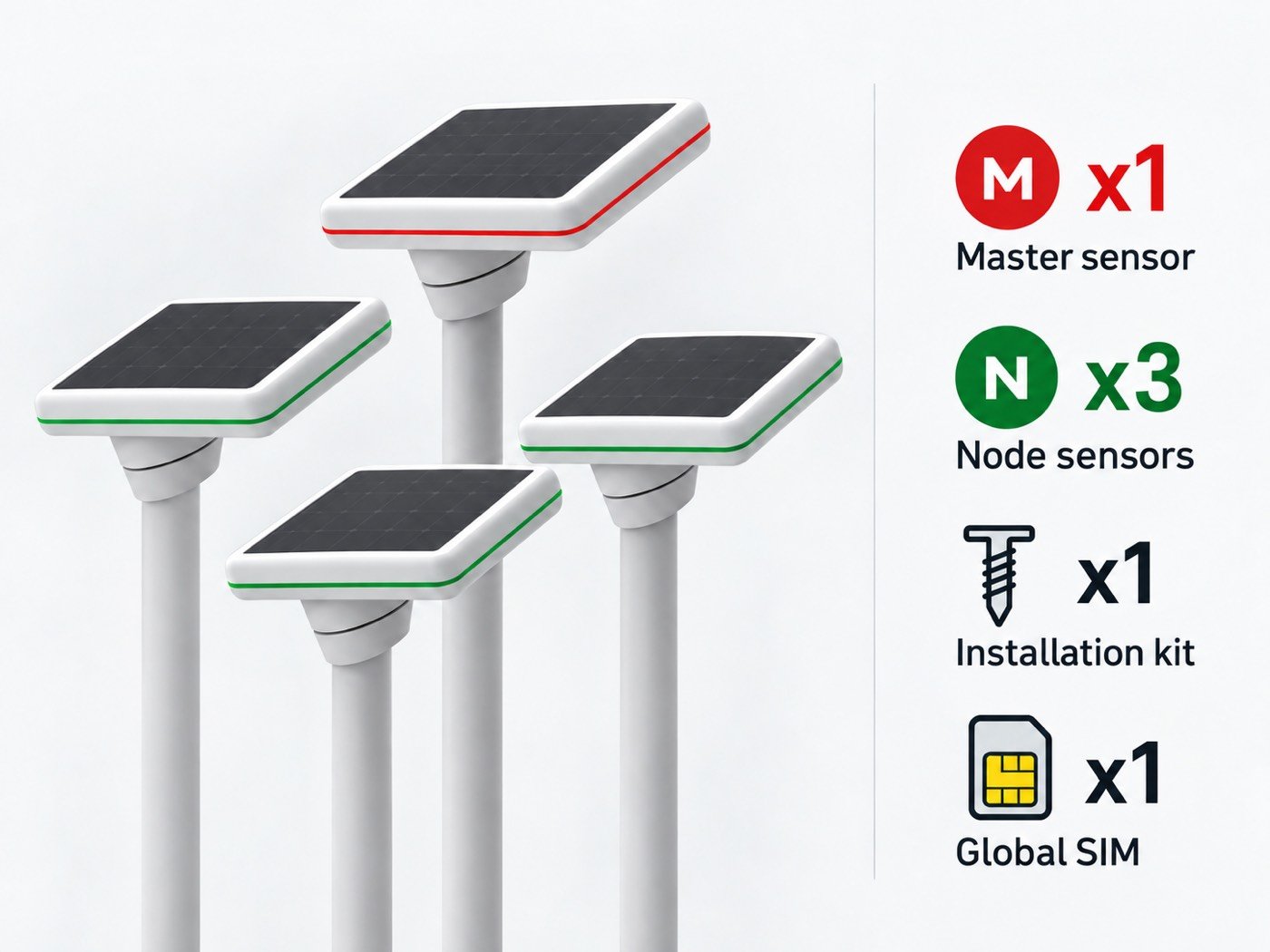
Pycno Terra is our first recommendation for growers who want sensing and remote access in one coordinated installation. The cellular Master combines the soil probe, solar-supported internal power and the network gateway role. This avoids purchasing a separate external gateway for that Master. Its platform provides a route from measurements to trends and management review, while the field kit reduces the integration work compared with assembling each function independently.
For a larger network, Terra Nodes communicate with a compatible Master using LoRa. Nodes do not each have their own direct cellular internet route. The Master remains shared infrastructure, so plan its position, coverage and service carefully. Our comparison distinguishes 2G and 4G Master options; choose service appropriate to the installation area. Models after 2024 have BLE, OTA firmware updates and Wi-Fi data upload, and GPS is available on some models. Confirm the exact generation and configuration when ordering.
The main advantage is reduced integration work when sensing, power and communications are supplied together. A grower with an existing logger may find a wired probe economical. A new installation should compare the Terra kit with the full wired bill of materials and services, rather than comparing an integrated Master price with a bare probe price.
Compare the same monitoring job
Define the number of locations, measurement depths, required quantities and data access before requesting quotes. For each option, include installation labour, cables, logger ports, power supply, mounting, internet backhaul, platform access and maintenance. Compare recurring costs over the same period. Avoid counting a shared gateway once per sensor, or omitting it entirely from a node-based system. Our ownership-cost guide provides a practical budgeting sequence.
Consider what happens when the connection fails. Ask whether observations are stored locally, how long they are retained, whether uploads recover automatically and how missing data are identified. Decide who will check power and communications. The system is useful when staff can retrieve trustworthy readings in time for the irrigation decision, not merely when it has many advertised communication features.
A practical selection sequence
First establish which measurements the field needs and whether the chosen probe represents the root zone. Then decide how many devices and acquisition inputs are required. Check the physical installation, coverage, power and platform together. Finally, compare the supplier’s supported package with the alternative assembled package, including responsibility for troubleshooting each connection.
For a farm beginning from scratch, start with Terra and evaluate whether its integrated Master and Nodes meet the layout. For an existing RTU network or a specialised sensing requirement, review compatible wired probes as well. Use our full comparison and connectivity guide to turn that shortlist into a complete field plan.
Common questions
Does an all-in-one sensor always need no gateway?
A direct cellular Master can include the gateway role. A wireless Node may still need a Master or network gateway.
When should I keep my wired logger?
Keep it in the comparison when it supports the required probe outputs, power and remote access reliably. Existing infrastructure can change the installed cost.