Identify what the roots are growing in
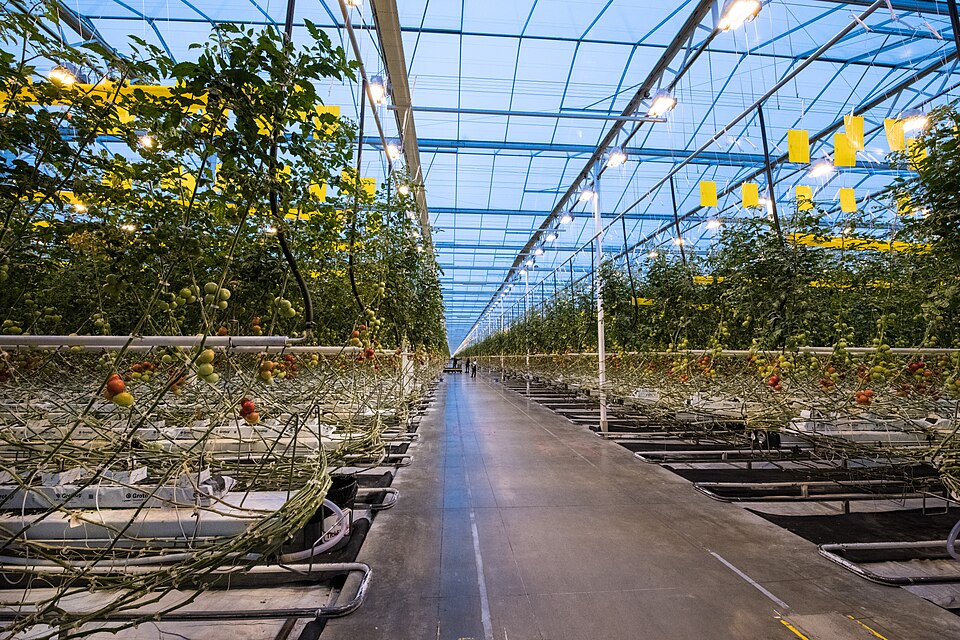
A greenhouse may use soil beds, pots, bags or another substrate system. These are different measurement environments. Peat, coir, bark mixtures and mineral substrates can have electrical and water retention properties unlike ordinary mineral soil. Begin with the material, container dimensions and root distribution before selecting a sensor or importing an irrigation threshold from an outdoor field.
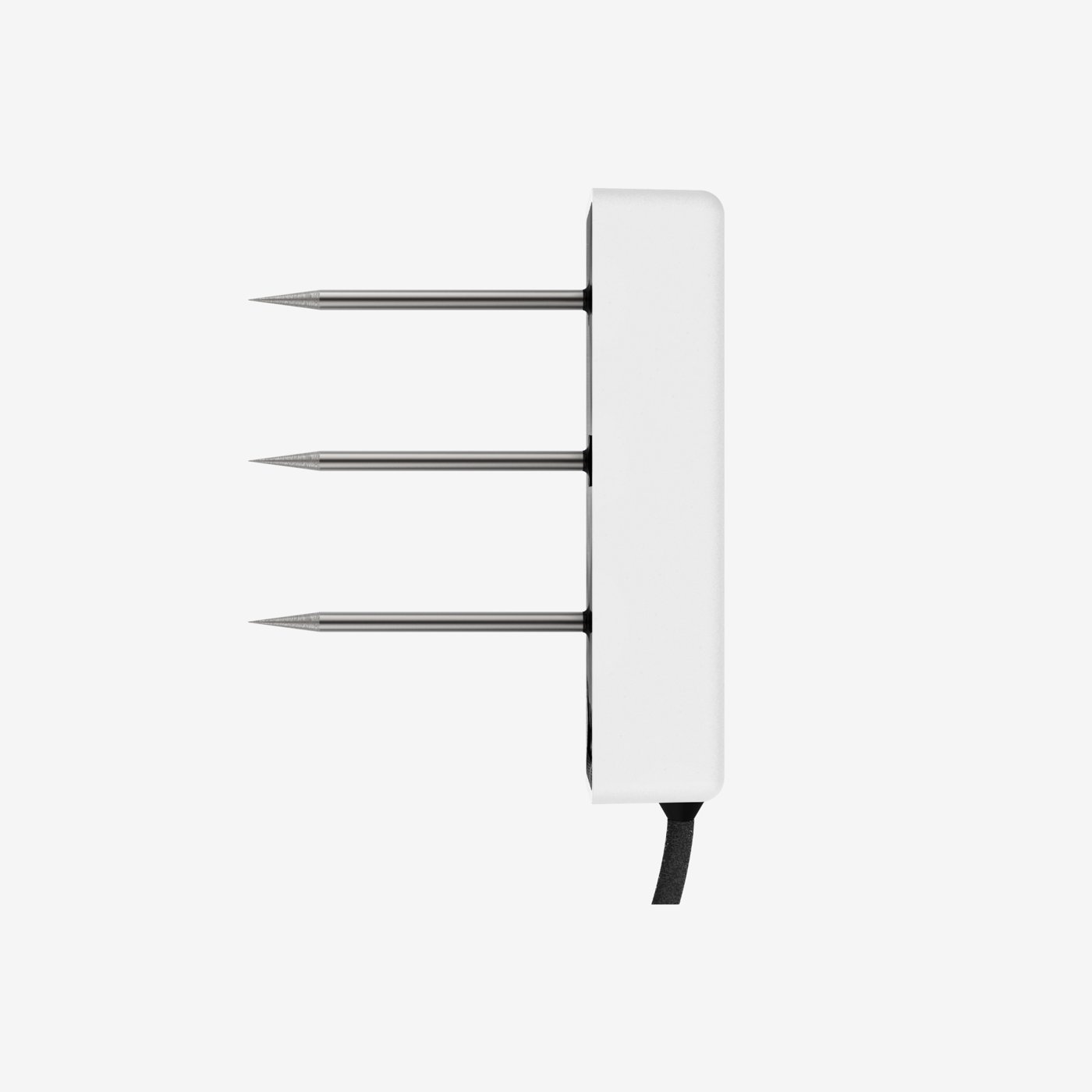
A sensor must fit physically within the relevant material with enough representative contact around its sensing elements. A large field profile probe may be unsuitable for a small container. A single point device may be practical, but it still samples a local volume that could be wetter or drier than the rest of the root environment. Check the intended use and substrate calibration in the manufacturer’s documentation.
Short events require meaningful response and sampling
Frequent small applications can produce rapid changes, so the device response and recording interval should be capable of showing the cycle that matters. A reading every few hours may miss important variation in a system using short events. Conversely, collecting more frequently than necessary adds data without automatically improving control. Match the interval to the question and the irrigation hardware.
Position relative to a dripper matters in both beds and containers. A sensor beside the entry point can show a peak before the rest of the substrate is replenished. Observe the pattern, compare representative containers or bed positions, and record drainage where relevant. The graph guide helps connect timing, redistribution and dry down instead of interpreting the latest value alone.
Interpret EC with the right method
EC can help follow changing dissolved salt conditions, but a bulk substrate measurement differs from irrigation solution EC, drainage EC or a defined laboratory extraction. The moisture state and material affect the sensor reading. Compare like methods and use the product’s calibration rather than treating every EC number as the concentration of the fertiliser solution around every root.
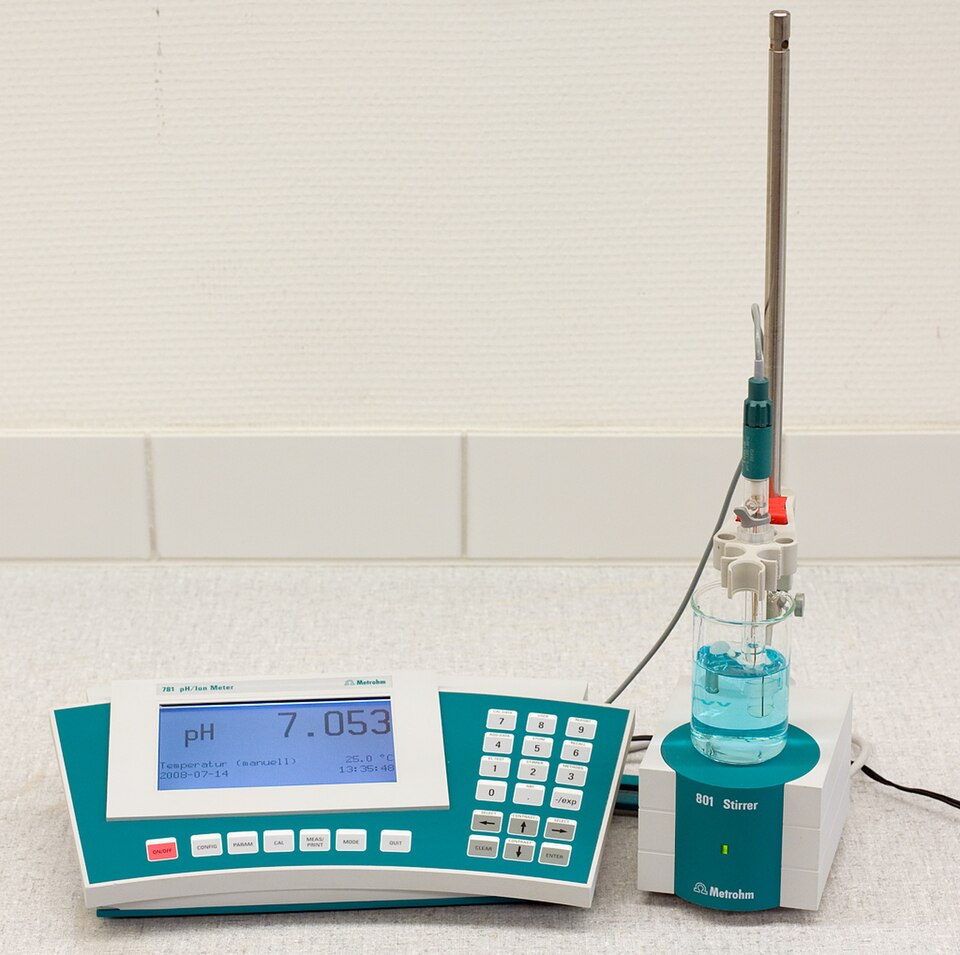
When investigating nutrition or salt accumulation, combine the continuous record with the relevant solution, drainage or substrate tests and crop observations. pH is also method dependent, and a soil moisture probe does not necessarily measure it. Read EC definitions and sampling methods before using a field measurement to adjust fertigation.
Monitoring and automatic irrigation control in greenhouses
Confirm whether the selected system provides monitoring, alerts, exported data or a documented control integration. Remote access alone does not establish compatibility with an irrigation controller. A wired probe can be sensible where a supported control system already exists; an integrated station can simplify independent monitoring when its size, calibration and reporting interval suit the growing system.
Pycno should be assessed against those requirements just like any other candidate, with the advantage of a complete connected arrangement considered where it fits the installation. Ask for the relevant material calibration and interface documentation before relying on an automated workflow. Use data and alert planning and field checks to maintain useful daily evidence through crop changes, substrate replacements and adjustments to irrigation timing.