Monitor the effective roots rather than a fixed depth
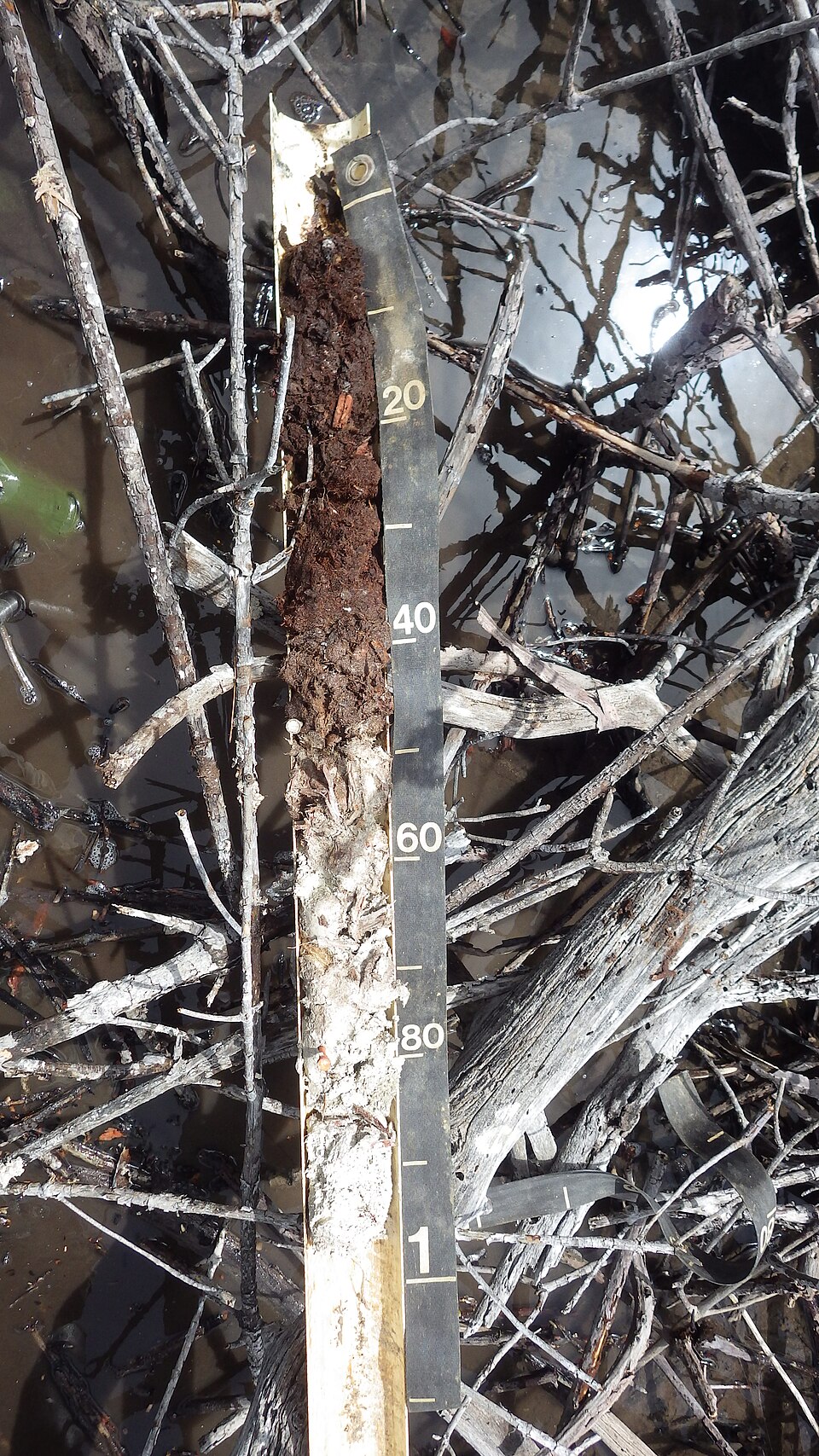
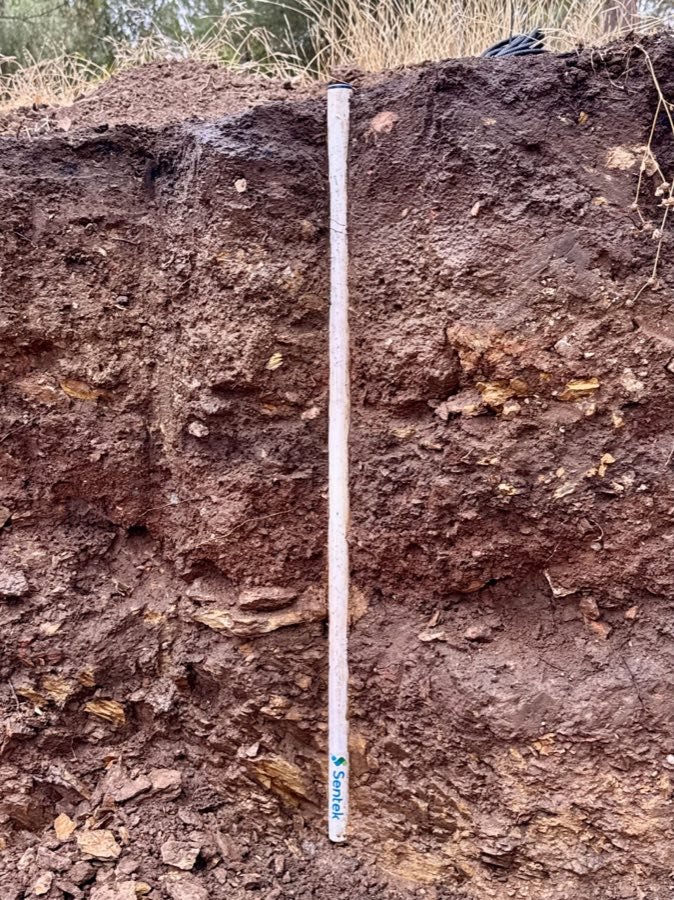
Tree crops can explore a substantial profile, but the effective roots depend on species, rootstock, age, soil and irrigation history. Citrus and other orchards should not all be assigned the same sensing depths. Inspect roots and layers in the managed area, then choose levels that help distinguish upper-zone depletion, lower-zone replenishment and possible movement below the productive roots.
A young orchard may have a smaller effective root system than an established block. Changes in irrigation placement as trees develop can also change what a station represents. Record tree age and irrigation geometry at installation and review them over time. A probe that described the original wetting pattern well may need reassessment when emitters, spacing or management change.
Account for irrigation geometry and field differences
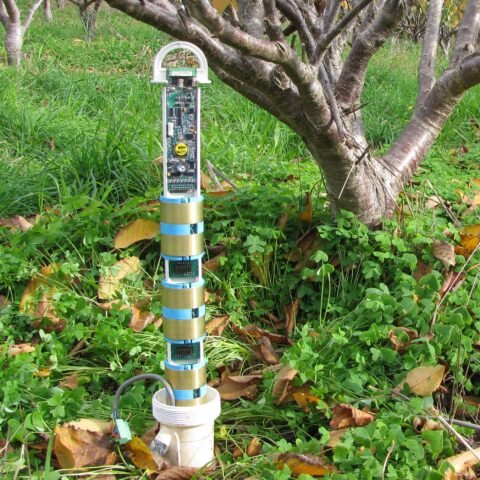
Drip and micro-sprinkler systems wet different areas, and the soil controls how that water spreads. Place stations in a representative part of the managed root zone, documenting their relationship to the trunk and emitters. Avoid choosing the easiest edge of a block if its soil, pressure or exposure differs from the main crop. A diagnostic station can be placed in a problem area, but label it accordingly.
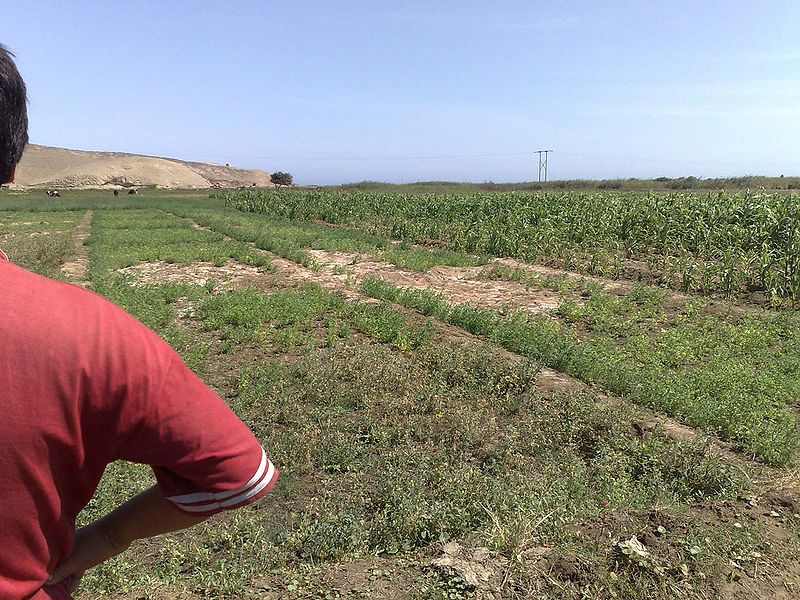
Separate important soil and drainage zones where they produce different management needs. A lower part of an orchard can remain wet while an upper or shallower zone dries. Combining those into one irrigation decision may serve neither area well. The landscape guide and placement guide explain how to establish stations without assuming every row behaves identically.
Investigate persistent wetness as well as depletion
A moisture trace that stays high can reflect slow drainage, excessive application, a shallow water table, a leak or an unrepresentative wet spot. It does not automatically prove that the crop has ideal water availability. Aeration, root health and salts can also limit uptake. Inspect the field and irrigation hardware before responding to poor crop condition with additional water.
Use multiple depths and record events to see whether water remains in the upper layers or reaches the lower zone. Pair EC trends with appropriate soil and water tests when salt conditions are a concern. Bulk EC changes during wetting should not be treated directly as a laboratory salinity result or as a specific nutrient concentration.
Choose a system the team can maintain
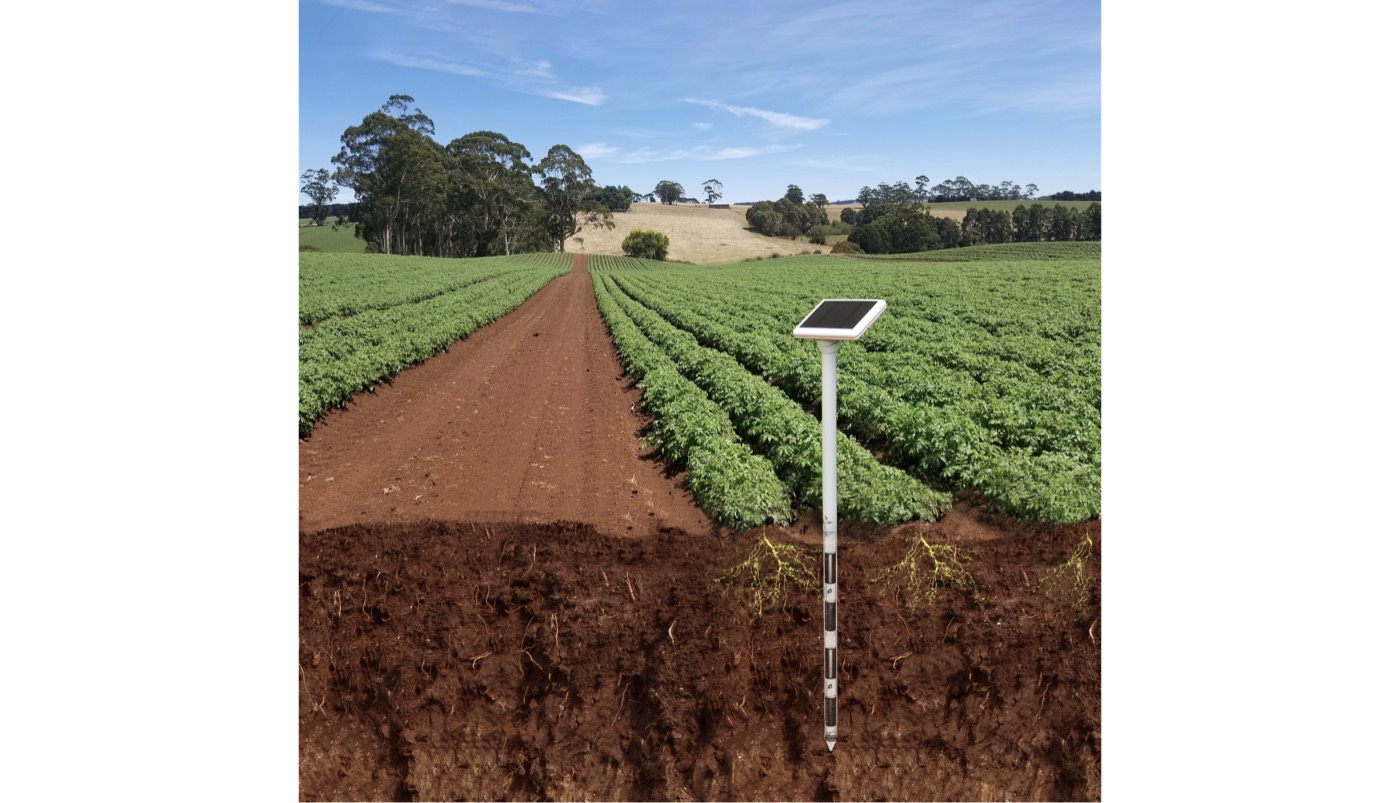
For dispersed orchard blocks, an integrated connected station can reduce the need for separate logger boxes and external wiring. Pycno Terra’s Master and Node arrangement is one option to compare where profile sensing and remote reporting fit the site. Check supported cellular coverage for Masters and the compatible network required by Nodes before finalising the number and locations of stations.
Set a review routine and an owner for alerts, field inspection and maintenance. Interpret thresholds using the effective root depth, crop stage and the actual soil rather than a universal orchard moisture percentage. Read available water and vineyard placement for related principles. The useful outcome is a record that helps the team adjust an event and confirm its effect across the roots.