Describe the problem precisely
Identify whether the problem is an implausible value, a sudden change, repeated values or missing data. Check which devices and depths are affected and when the symptom began. Record irrigation, weather, maintenance and software changes around that time. A problem at every channel can point to a shared acquisition or communication component; a single channel suggests a different starting point.
Confirm measurement units and the selected calibration before assessing magnitude. Tension, raw dielectric response and volumetric water content are different quantities. Check whether the dashboard timestamp describes the observation or the upload. A recently received packet can contain an older measurement.
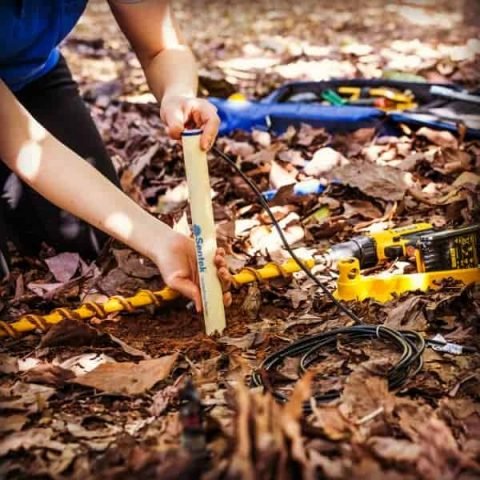
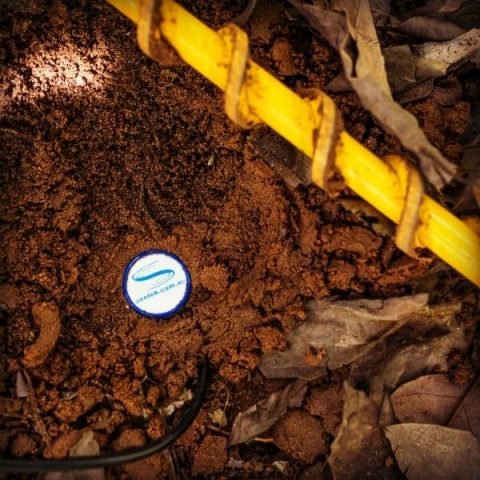
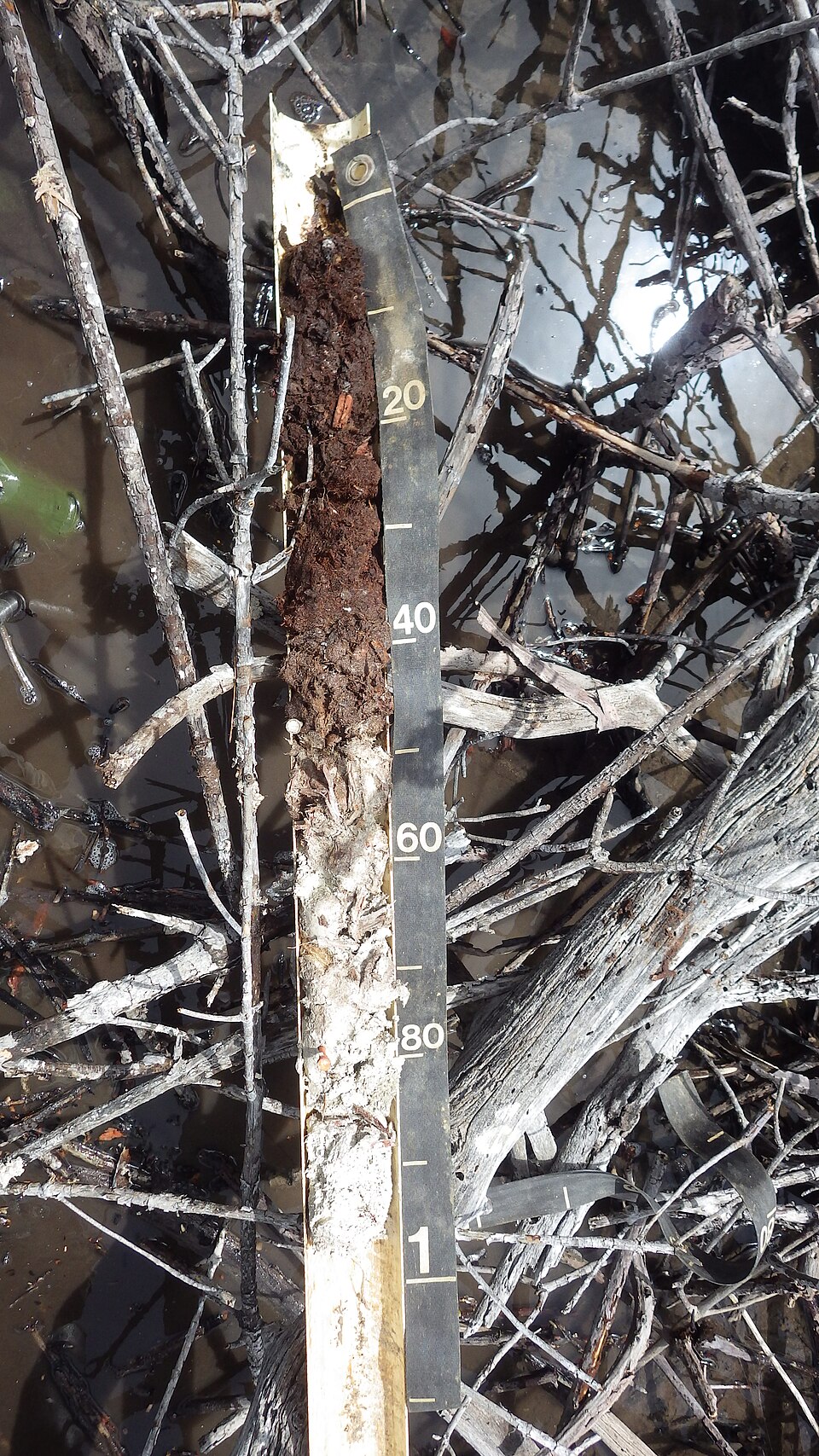
Inspect placement and soil contact
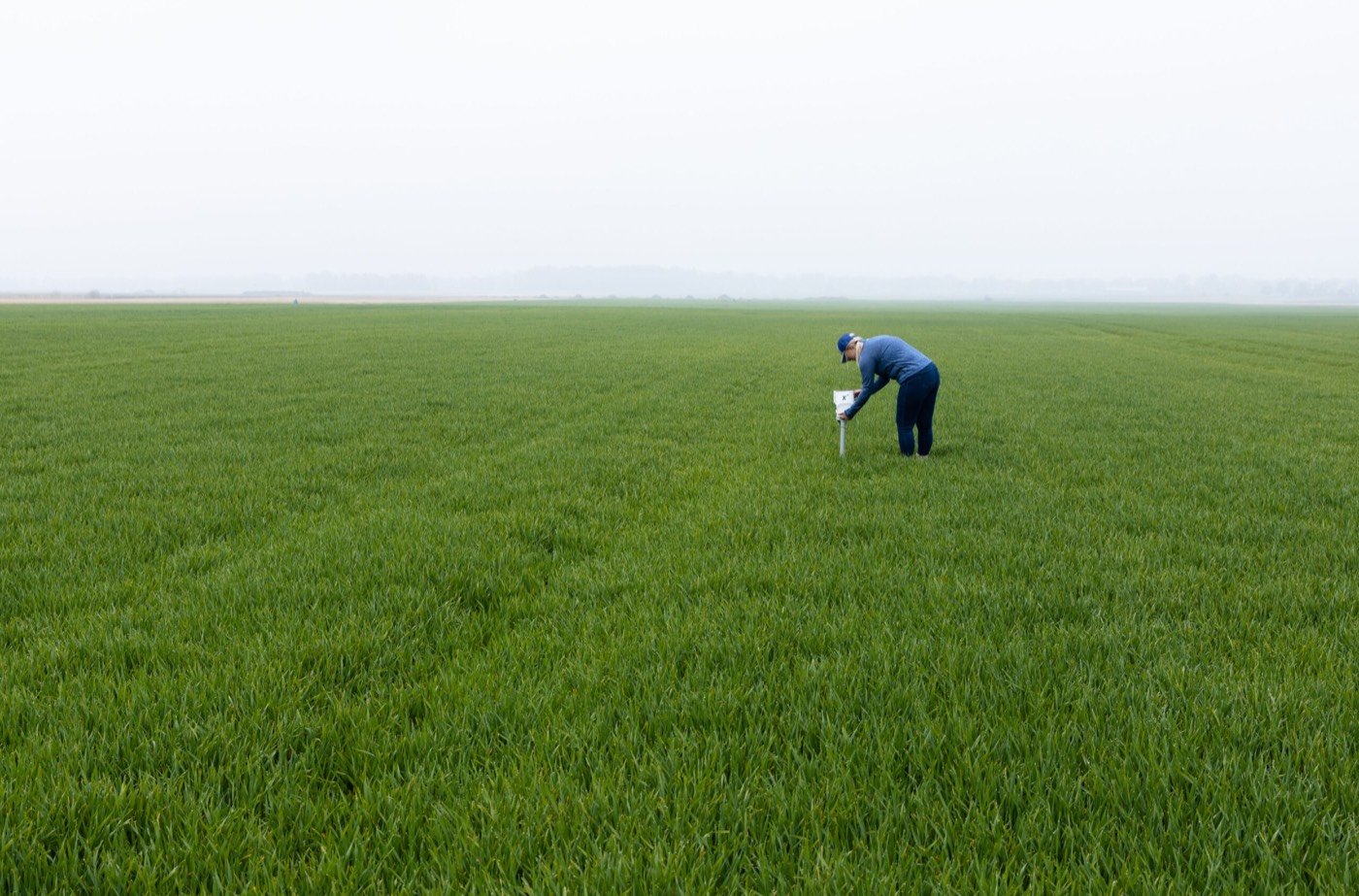
Compare the current installation with its original notes. Soil movement, cultivation, animals, cable strain and disturbed backfill can change contact or position. Look for exposed sensing elements, loose access tubes, damaged connectors or water collecting in the installation hole. A sensor in a different layer or wetting zone may report a real local change rather than an electronic fault.
Follow the relevant manufacturer’s installation and cleaning guidance. Avoid pulling or bending a probe to test it casually, and do not assume that one generic slurry or reinsertion method suits every model. Our placement guide provides the field checks, while profile observations help explain unexpected depth differences.
Check the conversion and an independent reference
If field contact appears sound, compare observations across wetness states and inspect the raw response where available. Check for a calibration change, incorrect coefficients or a duplicated conversion. Salinity and temperature can affect the response or its water-content interpretation, depending on the instrument. A display offset should not be introduced simply to make neighbouring sensors agree.
Use an independent sample when it represents the sensing material and answers the question. Gravimetric-to-volumetric conversion also needs bulk density. The calibration guide describes that workflow. One matching or mismatching sample cannot establish accuracy over the entire seasonal range.
Trace power, logging and uploads
For missing readings, check power state, the logger’s acquisition status and the communication path. A wired probe needs compatible excitation and input handling. A radio Node needs its specified Master or network, and a gateway needs functioning internet backhaul. Review retained local observations to distinguish missing measurements from delayed delivery.
For Pycno Terra, examine the cellular Master and the affected Nodes separately. A shared Master issue may affect several Node uploads. For other systems, inspect the corresponding logger, network gateway and platform route. Keep the network architecture beside the fault record so each step is checked systematically.
Document the repair and revalidate
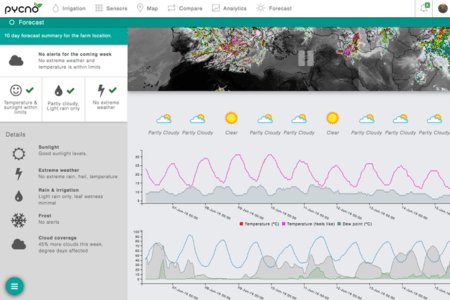
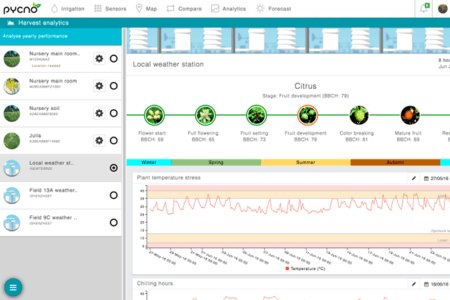
Change one relevant condition at a time where practical, then observe whether the symptom changes. Preserve original readings and document any excluded intervals or corrected processing. Supply the model, serial number, location, timestamps and evidence to the supplier when specialist diagnostics are needed. A clear record is more useful than a screenshot with no units or dates.
After a repair, verify fresh readings and the response to a field event. Check another representative depth or location where it supports interpretation. Revisit alerts so a repeat problem is noticed promptly. Our data workflow guide explains how missing-data and measurement alerts can support ongoing operation.
Common questions
Should I correct an offset immediately?
First check units, calibration, contact and representative sampling. An unexplained offset can conceal the actual cause.
Can several sensors fail to upload at once?
Yes. A shared logger, power supply, Master or gateway can affect multiple devices without every probe failing.