Water in soil is not all in the same environment
Water in a large pore and water close to a mineral surface do not necessarily have the same electrical response. Interactions with surfaces can constrain molecular movement and affect the measured dielectric behaviour. Bound water is a useful description in this context, but its definition and measured significance depend on the method and conditions. It is not simply a separate reservoir that a routine moisture probe counts directly.
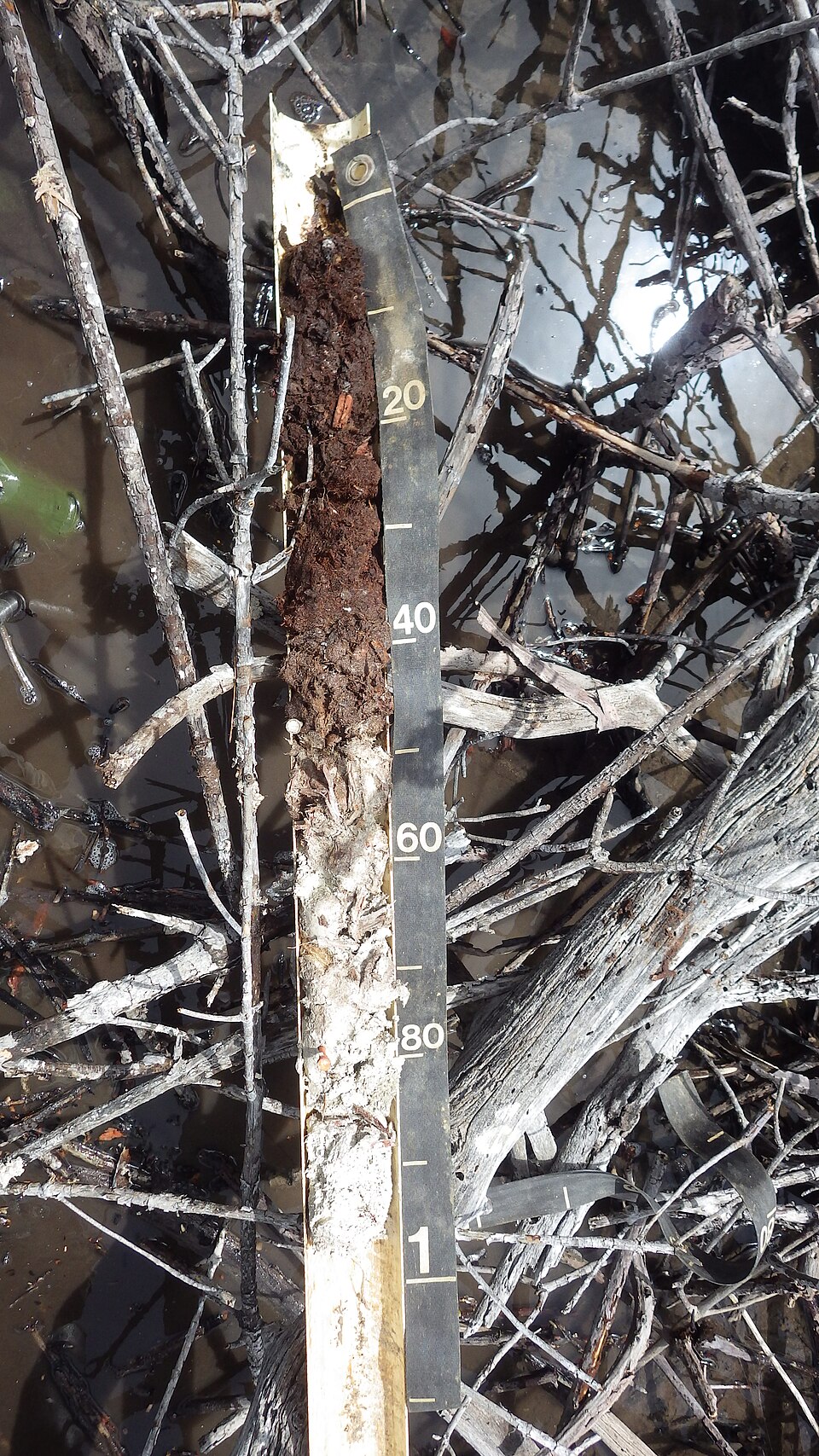
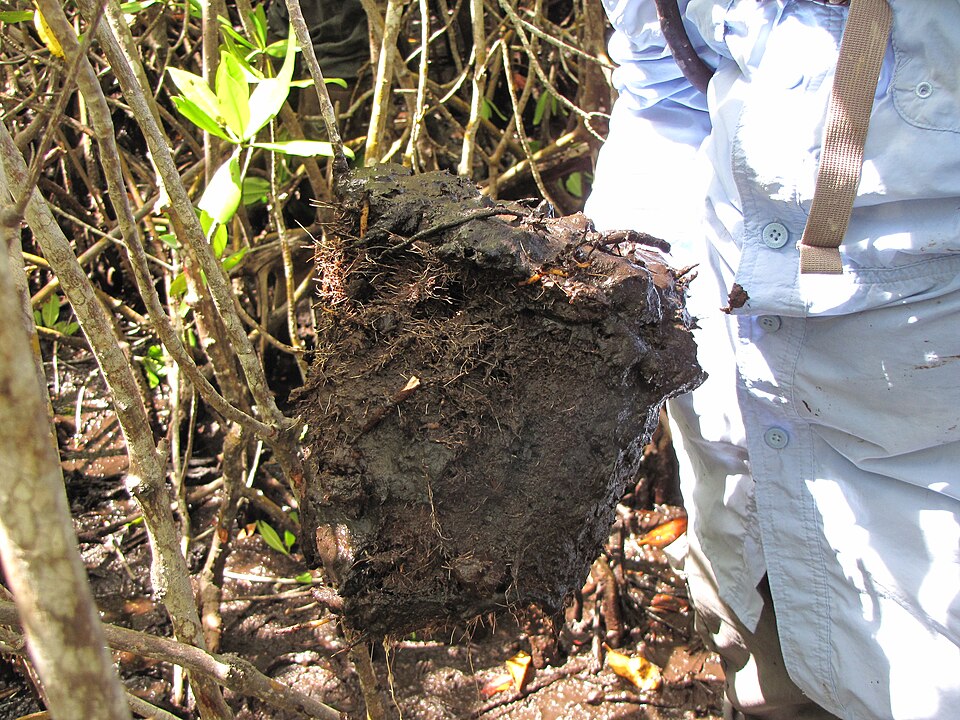
This distinction helps explain why the strong dielectric contrast between liquid water, air and mineral solids does not produce a universally identical moisture calibration. Fine textured soils, organic materials and other unusual substrates can behave differently from the materials used to develop a standard sensor relationship. Calibration remains an empirical connection between an electrical response and a defined water content.
What dielectric relaxation describes
Dielectric relaxation concerns the frequency dependent response of a material to an alternating electrical field. If molecular or interfacial processes cannot follow the field equally at every frequency, the measured response changes. Hilhorst and colleagues’ 2001 work discussed bound water dielectric relaxation in relation to soil matric pressure. It provides a research perspective on mechanisms behind soil electrical measurements.
The paper should not be read as establishing a single conversion between every sensor’s dielectric output and matric potential. The instrument frequency, soil composition, temperature and the relevant water state all matter. Likewise, a commercial device operating at one frequency is not equivalent to a laboratory dielectric spectrum. An explanatory mechanism can guide interpretation without supplying a universal field calibration equation.
Separate water amount from water tension
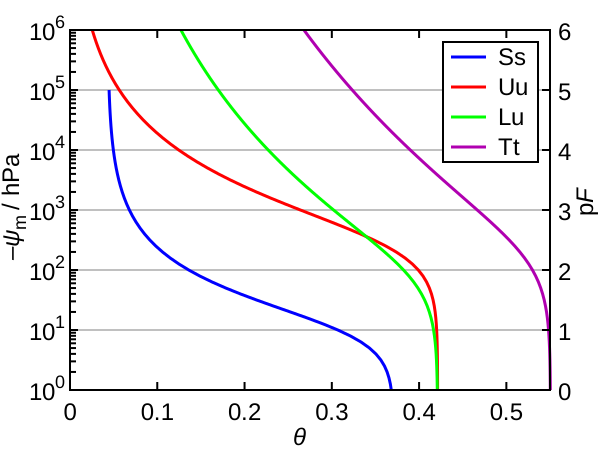
Volumetric moisture content expresses water volume relative to bulk soil volume. Matric potential describes the energy associated with water held by the soil matrix. The relationship between them is a soil water retention curve, which varies between materials and can depend on wetting or drying history. Two soils can share the same moisture percentage while presenting very different conditions to roots.
A dielectric moisture probe and a tension sensor therefore provide complementary information. Neither variable can always be reconstructed from the other without a suitable relationship for the soil. Read matric potential, dielectric permittivity and available water when deciding which measurement supports an irrigation threshold.
Use the science to ask better product questions
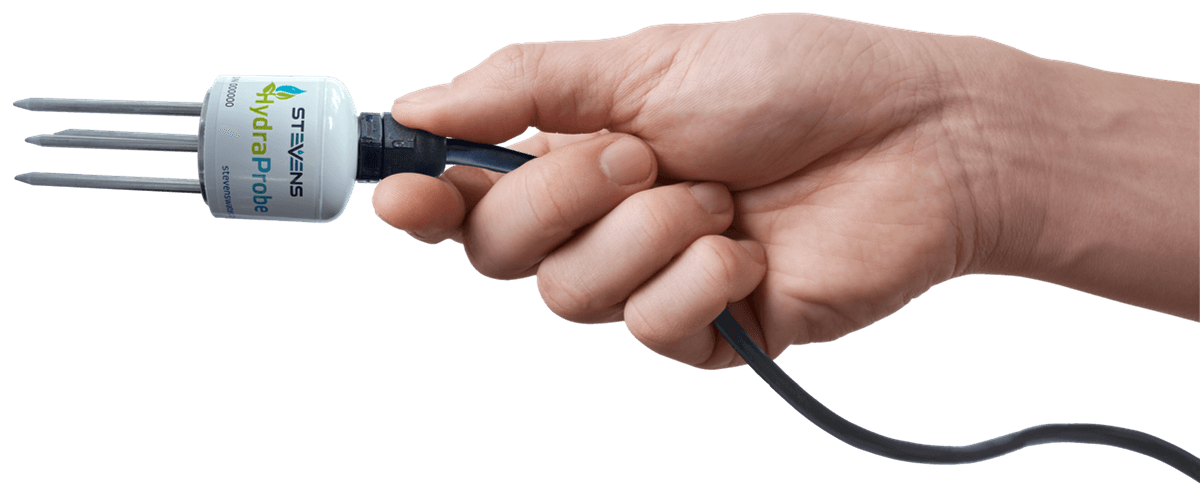
Ask which materials support the manufacturer’s calibration, how salinity and temperature affect the measurement, and whether a soil specific calibration is available. Verify the intended output and its units before comparing devices. A water content display does not mean the instrument directly measures plant available water, while an EC display does not by itself establish accurate moisture estimation in every saline soil.
Where the decision requires reliable absolute values, compare the sensor with a suitable reference under relevant conditions. Where trends are sufficient, first confirm that installation and response are representative. Calibration checks and complex impedance outputs bring the research back to practical questions. The benefit is a clearer understanding of why field verification matters, not a claim that one named sensing technology automatically solves every soil effect.